

Does tea break a fast? A complete evidence-based guide
The answer to the question whether tea breaks fast depends entirely on why you are fasting. For metabolic fasting practices like intermittent fasting or time-restricted eating, plain unsweetened tea is not only acceptable but may offer functional benefits according to research. For religious fasting traditions like Ramadan or Yom Kippur, all beverages including tea are strictly prohibited during fasting hours as a spiritual discipline. Understanding this distinction is critical because the rules, goals and guidelines differ completely between these fasting types. This guide clarifies exactly when you can drink tea whilst fasting, what the scientific research shows about tea during metabolic fasting, and how to choose teas that align with your specific fasting goals.
Key Takeaways:
Plain, unsweetened tea does not break a metabolic fast because it contains only 2 to 5 calories per cup and triggers no insulin response, but it does break religious fasts like Ramadan where all food and drink are prohibited
Tea can support metabolic fasting through compounds like catechins and caffeine that research shows may enhance fat oxidation and appetite control
Adding milk, sugar, honey or any sweeteners will break a metabolic fast by triggering an insulin response
The type of tea matters for metabolic fasting: herbal teas like peppermint and chamomile are gentlest on an empty stomach, whilst green tea varieties like Sencha offer the most studied metabolic support
Is it okay to consume tea during a fast?
The answer depends entirely on your fasting type and conflating these different types can lead to serious misunderstandings.
For Religious Fasting (Ramadan, Yom Kippur, Certain Lenten Observances)
No, tea is absolutely not permitted. According to research published in the Avicenna Journal of Medicine (2017), during Ramadan Muslims observe complete abstinence from all food and beverages including tea, coffee and water from dawn (Fajr prayer time) until sunset (Maghrib prayer time) as an act of spiritual discipline and devotion [1]. This is a fundamental part of the practice, not a metabolic guideline, and the emphasis is on the commitment to complete abstinence rather than caloric content or insulin response.
After sunset, tea becomes a cherished part of the iftar ritual when families gather to break their fast. According to research on Ramadan fasting practices, tea is often served with dates and traditional foods to gently rehydrate the body after the day’s abstinence [1]. Many Muslim cultures have developed rich tea traditions specifically tied to Ramadan evenings.
The same principle of complete abstinence applies to other religious fasts like Yom Kippur in Jewish tradition and certain strict Lenten observances in Christianity. For religious fasting, there is no threshold of acceptable calories because the practice requires total abstinence regardless of metabolic impact.
For Metabolic Fasting (Intermittent Fasting, Time-Restricted Eating)
Yes, plain unsweetened tea is generally acceptable and often encouraged. From a physiological perspective, the goal of metabolic fasting is to keep insulin levels low and allow the body to access stored energy in the form of fat. According to research published in Obesity (2018), this metabolic shift occurs when the body transitions from burning glucose to burning fat and producing ketones for energy [2].
Tea leaves from the Camellia sinensis plant (which includes green, black, white and oolong varieties) and most herbal infusions contain negligible calories and carbohydrates. Green tea typically contains 2 to 3 calories per cup, white tea contains 2 to 3 calories per cup, and black tea contains approximately 2 to 5 calories per cup due to slightly higher tannin content [3]. Herbal teas like peppermint, chamomile, ginger and rooibos contain essentially zero calories.
According to research on intermittent fasting and metabolic health, when consumed without additives these beverages will not trigger an insulin response or disrupt the metabolic switch that provides the health benefits of fasting [4]. The key distinction is this: what you add to the tea matters far more than the tea itself.
For Autophagy Fasting (Prolonged Fasting for Cellular Repair)
For prolonged fasting periods of 18 to 24 hours or longer aimed at inducing cellular autophagy (the body’s process of cleaning out damaged cells), plain unsweetened tea is generally considered acceptable. According to a 2019 review published in Nutrients, green tea polyphenols may actually enhance autophagy processes, potentially amplifying the cellular cleanup benefits that fasting aims to achieve [5]. However, some strict practitioners of autophagy fasting prefer to consume only water to ensure the deepest possible cellular response.
For Medical Fasting (Pre-Surgery, Gut Rest for Conditions Like IBS)
When fasting before surgery or to rest the digestive system for conditions like irritable bowel syndrome (IBS) flare-ups, clear liquids including herbal tea are usually permitted. However, medical fasting requirements vary significantly by procedure and individual condition. You should always confirm specific requirements with your healthcare provider before any medical procedure, as some surgeries require complete abstinence from all liquids for a certain number of hours beforehand.
For 5:2 and Other Calorie-Restricted Fasting Methods
For fasting protocols that allow a specific calorie allowance on fasting days (such as 500 to 600 calories on the 5:2 method), plain tea remains compatible because it contributes virtually no calories to your daily allowance. Beverages with negligible caloric content do not meaningfully impact the metabolic benefits of these fasting protocols [4].
What is Fasting? Understanding the Metabolic Switch
Before exploring tea specifically, it helps to understand what metabolic fasting actually does to your body at the cellular level.
Fasting is the voluntary abstinence from food and sometimes all calories for a defined period. It is not starvation, which is an involuntary state of deprivation. Fasting is a planned, controlled practice. Across cultures and centuries, fasting has been employed for spiritual growth, health optimization, weight management and cellular repair.
The Metabolic Switch: How Your Body Changes During Fasting
The most profound change your body experiences during metabolic fasting is called the metabolic switch. This is a shift from burning glucose (sugar from your most recent meal) for energy to burning fat and producing ketones (the body’s alternative fuel source) [2].
This metabolic switch does not happen immediately after you stop eating. Your body typically initiates and maintains this switch after 12 to 16 hours without food, once liver glycogen stores (your body’s short-term glucose storage) are depleted [2]. The exact timing varies by individual based on factors like activity level, metabolic rate and what you ate in your last meal.
During this metabolic switch, several significant changes occur in your body:
Your liver begins mobilizing fatty acids from stored body fat [2].
Ketone bodies, specifically beta-hydroxybutyrate, begin circulating in your bloodstream as an alternative fuel source [6].
Insulin levels drop significantly because there is no incoming glucose from food [2].
Human growth hormone levels increase, which according to research published in the Journal of Clinical Investigation (1988) can rise substantially during fasting periods [7].
Cellular repair processes activate, including autophagy, which is the body’s process of cleaning out damaged cellular components [8].
According to research published in the New England Journal of Medicine (2019), this metabolic state is what provides many of the theoretical health benefits associated with fasting [9]. The benefits come not simply from eating fewer total calories, but from fundamentally changing how your body sources and uses energy at the cellular level.
Critical Myth: “Any Calorie Breaks a Metabolic Fast”
A common misconception is that consuming any calories during metabolic fasting will break the fast and eliminate all benefits. The scientific truth is more nuanced than this absolute statement.
According to research on metabolic effects of intermittent fasting published in the Annual Review of Nutrition (2017), the metabolic switch and the deeper benefits of fasting are not disrupted by trace amounts of non-insulinogenic substances [4]. They are disrupted by an insulin response and the subsequent shift back to glucose metabolism.
This is a crucial distinction. This is why 5 calories from green tea is metabolically vastly different from 5 calories from a sugary drink or fruit juice. The plain tea does not trigger significant insulin secretion because it contains no carbohydrates or protein. The sugar, however, immediately triggers insulin release, which signals your body to stop burning fat and return to burning the incoming glucose. This terminates the metabolic benefits of fasting.
According to research, small amounts of calories (typically cited as under 50 calories) from non-insulinogenic sources are unlikely to meaningfully disrupt the fasting state for most people, provided they do not trigger an insulin response [4]. However, for those seeking the maximum possible depth of metabolic switching or the deepest autophagy response, many practitioners aim for zero calories during the fasting window.
It is absolutely critical to understand that for religious fasting, these metabolic considerations are entirely irrelevant. Complete abstinence from all food and drink is required as a spiritual discipline, regardless of caloric content, insulin response or any metabolic calculation. Do not attempt to apply metabolic fasting guidelines to religious fasting practices.
Different Types of Fasting: Understanding the Rules and Philosophies
Different fasting protocols have fundamentally different guidelines and different underlying philosophies about what counts as breaking a fast. Understanding your specific protocol is essential.
Fasting Type | Protocol | Is tea ok? | Notes and Sources |
Ramadan (Religious) | Complete abstinence from all food and drink from dawn to sunset | ✗ No | All beverages strictly prohibited during daylight hours as spiritual discipline. Tea becomes part of iftar ritual after sunset. [1] |
Time-Restricted Eating (16/8) | Fast for 16 hours, eat within an 8-hour window | ✓ Yes | Most popular metabolic fasting method. Plain tea encouraged for appetite control and hydration. Research shows zero-calorie beverages do not disrupt metabolic benefits. [4] |
Time-Restricted Eating (18/6) | Fast for 18 hours, eat within a 6-hour window | ✓ Yes | Same metabolic principles as 16/8 method. [4] |
Time-Restricted Eating (20/4) | Fast for 20 hours, eat within a 4-hour window | ✓ Yes | More stringent protocol. Some strict practitioners avoid even herbal teas, whilst others find them helpful for managing hunger. |
5:2 Method | Eat normally 5 days per week, restrict to 500-600 calories on 2 days | ✓ Yes | Tea contributes negligible calories against the daily allowance. Research shows low-calorie beverages support adherence. [10] |
Alternate-Day Fasting | Consume approximately 500 calories every other day | ✓ Yes | Tea contributes negligible calories. Some practitioners stick to water only for maximum strictness. [4] |
Autophagy Fasting | Prolonged fast of 18 to 24+ hours specifically to induce cellular repair | ✓ Yes | According to research, green tea polyphenols may enhance autophagy processes, though some purists prefer water only. [5] |
Water Fasting | Water only, often 24 hours or longer | △ Depends | Strictest form of metabolic fasting. Some practitioners avoid tea to maintain absolute purity, others allow it. |
Eat-Stop-Eat | Complete 24-hour fast once or twice weekly | ✗ No | Typically practiced as complete abstinence from all calories, though guidelines vary by practitioner. |
Medical Fasting (Pre-Surgery or for IBS/Gut Rest) | Requirements vary by procedure or condition | △ Depends | Clear liquids including herbal tea usually allowed for gut rest, but pre-surgery requirements vary. Always confirm with healthcare provider. |
The Philosophy Behind Each Fasting Type
Time-restricted eating and intermittent fasting focus on when you eat rather than strictly what you consume during the fasting window. The goal is achieving metabolic switching and the associated health benefits [2][4]. Because plain tea contributes negligible calories and does not trigger insulin release, it aligns perfectly with this philosophy.
Religious fasting, particularly Ramadan, emphasizes complete abstinence as a spiritual discipline. The objective is not metabolic optimization but rather devotion, self-reflection, empathy with those who go hungry and strengthening of spiritual commitment [1]. Tea, water and all substances are avoided during daylight hours to honor this commitment. The prohibition has nothing to do with calories or metabolic impact.
What do I have to watch out for when drinking tea during metabolic fasting?
The plain tea itself will not break a metabolic fast. What you add to it determines whether you maintain your fasted metabolic state or trigger insulin release that terminates fat burning.
1. Milk, Cream and all Milk Alternatives (The Number One Fast-Breaker)
This is the single most common mistake people make with tea during metabolic fasting. Even a small splash of milk, cream or plant-based alternatives will break a metabolic fast.
According to research on insulin responses to different macronutrients, milk contains lactose (a carbohydrate) and casein and whey proteins, both of which trigger insulin secretion. This insulin response signals your body to stop burning fat and switch back to processing incoming nutrients, which terminates the fasted metabolic state.
Even plant-based alternatives like almond milk, oat milk, soy milk and coconut milk will break a metabolic fast. According to nutritional data, these alternatives contain varying amounts of carbohydrates, proteins and fats that all contribute to insulin release [3]. Oat milk, in particular, is relatively high in carbohydrates.
Some practitioners report success with a very small amount (such as a teaspoon) of milk without noticeable disruption to their fasting results, but this varies significantly by individual insulin sensitivity. For strict metabolic fasting where you want to maintain the deepest possible fat-burning state, omit all milk and cream products entirely from your tea during the fasting window.
2. All Forms of Sweeteners
Sugar, honey, agave, maple syrup and all caloric sweeteners: These obviously and immediately spike blood sugar and trigger substantial insulin release, terminating the fasted metabolic state within minutes. According to research on glycemic responses, even small amounts of these sweeteners (as little as 5 grams) can produce measurable insulin responses. Despite their natural origin, honey, dates, agave nectar and maple syrup all contain simple sugars that break a metabolic fast.
Artificial and zero-calorie sweeteners: The evidence here is more complex and remains somewhat contentious in the scientific literature. According to a 2020 systematic review published in the Journal of Ayub Medical College, whilst most artificial sweeteners (aspartame, sucralose, saccharin) do not raise blood glucose levels directly in healthy individuals when consumed alone, the insulin response question is more complicated [11].
Some research suggests artificial sweeteners may trigger what is called cephalic phase insulin release. According to studies on sweet taste receptors, this is a small anticipatory insulin spike triggered by sweet taste receptors on the tongue, not by actual caloric intake [12][13]. The body tastes sweetness and begins preparing for incoming sugar even though none arrives. However, this effect is controversial and not consistently observed across all studies.
According to a 2017 meta-analysis in the Canadian Medical Association Journal examining non-nutritive sweeteners and metabolic health, the evidence remains mixed [14]. Some studies show artificial sweeteners have no metabolic effect during fasting, whilst others note potential disruptions in glucose balance, particularly with saccharin. The evidence is genuinely inconclusive.
Recommendation for strict metabolic fasting: If your goal is maintaining the absolute deepest metabolic fast possible, avoid all sweeteners including artificial ones during the fasting window. If you are practicing more flexible time-restricted eating and your goal is weight loss with reasonable adherence, small amounts of natural zero-calorie sweeteners like stevia or monk fruit are likely acceptable for most people. However, listen to your body and consider your specific fasting goal. Some individuals report that even zero-calorie sweeteners increase their hunger or cravings during fasting.
3. Flavoured and Fruit-Infused Teas
Be cautious with commercial flavoured teas because some manufacturers add sugars, syrups or fruit juice concentrates to enhance aroma and taste. The dried tea leaves or herbs themselves are not the issue. Added sweetening agents are the problem. Always read the ingredient label carefully.
What is safe for metabolic fasting:
Plain herbal infusions with only natural plant ingredients (peppermint leaves, chamomile flowers, ginger root, rooibos, hibiscus)
Whole-leaf true teas without any additives (plain green tea like Sencha, plain black tea like Earl Grey without added sugar, plain white tea)
Fruit teas that contain only dried fruit pieces with absolutely no added sugars or syrups (check the ingredient list)
Teas where flavour comes from natural essential oils or dried botanicals with no sweeteners (such as naturally flavoured Earl Grey with bergamot oil)
What to avoid: If sugar, honey, cane juice, fruit juice concentrate or any form of sweetener appears on the ingredient label, avoid it during your metabolic fast. Some “fruit-infused” commercial blends marketed for wellness contain hidden sweetening agents.
4. Lemon in Tea During Metabolic Fasting
Good news for lemon lovers: lemon does not break a metabolic fast. According to data from the USDA FoodData Central database, a lemon wedge (one-eighth of a medium lemon, which is roughly equivalent to about one tablespoon of fresh lemon juice) contains approximately 3 to 4 calories and less than 1 gram of carbohydrates, with the carbohydrate primarily being citric acid rather than sugar [3].
This minimal amount produces no meaningful insulin response according to research on insulin secretion. In fact, according to some research on citrus compounds and digestion, lemon may support digestive function and liver health during fasting, though more research is needed to confirm these effects definitively.
Fresh lemon is ideal. Avoid bottled lemon juice products, which may contain added sugars, preservatives or concentrates that could affect your metabolic fast.
The Calorie Equation: How much is too much for metabolic fasting?
A persistent question in metabolic fasting communities: if I consume 50 calories from tea or another source, does that break my fast?
For Metabolic and Health-Focused Fasting
The metabolic switch does not depend on achieving absolute zero calories [4]. It depends on the absence of insulin-triggering substances, particularly carbohydrates and proteins. Small amounts of calories, typically cited as under 50 calories in the research literature, from non-insulinogenic sources like plain tea are unlikely to meaningfully disrupt the fasting state for most people.
The 50-calorie threshold is not a magic number but rather a practical guideline based on the understanding that very small amounts of non-insulin-triggering substances will not pull most people out of ketosis or stop fat oxidation processes [4]. Some researchers suggest even slightly higher amounts (up to 100 calories) from pure fat sources like MCT oil might be acceptable without disrupting ketosis, though this is debated.
However, the spirit and goals of metabolic fasting vary significantly by individual:
Strict intermittent fasting practitioners who want to maximize autophagy and achieve the deepest possible metabolic switch typically adhere to zero calories during the fasting window. Complete nutrient deprivation provides the strongest signal for cellular cleanup processes [8].
Flexible intermittent fasters whose primary goals are weight loss, improved insulin sensitivity and general metabolic health may allow small amounts under 50 calories, understanding that some minimal insulin response might occur but the full spectrum of benefits is still largely captured. According to research on time-restricted eating outcomes, adherence to the protocol is often more important than perfect zero-calorie compliance for achieving weight loss and metabolic improvements [10].
Religious fasters abstain completely as a spiritual practice where metabolic calculations are entirely irrelevant.
Critical Distinction for Religious Fasting
For religious fasts like Ramadan, Yom Kippur or certain Lenten observances, the 50-calorie guideline is completely meaningless and should never be applied. Complete abstinence from all food and drink is required as a spiritual discipline, regardless of caloric content, insulin response or any metabolic threshold. The prohibition is absolute and is not based on metabolic science but on religious law and spiritual commitment [1].
Do not attempt to apply metabolic fasting guidelines or calorie thresholds to religious fasting practices. This could lead to unintentional violations of religious observance.
The Bottom Line on Calories
According to the accumulated research on metabolic fasting, the metabolic threshold is real but less critical than your personal intention and goals for fasting [4]. If your goal is weight loss and improved metabolic health through time-restricted eating, a cup of plain tea at 2 to 5 calories will not sabotage your progress. If your goal is achieving the deepest possible metabolic switch, maximum autophagy for cellular repair, or you are preparing for a medical procedure with specific requirements, stick to the exact guidelines for your specific situation. If you are observing a religious fast, complete abstinence is non-negotiable [1].
Benefits of Drinking Tea During Metabolic Fasting: What Does the Research Show?
Far from being merely tolerated, tea can actively support and potentially enhance your metabolic fasting experience according to multiple lines of research. Tea is not just a placeholder for food. It provides functional compounds that research suggests may amplify certain benefits of fasting.
1. Supports Hydration
Tea is approximately 99 percent water by volume, making it one of the most hydrating beverages you can consume during metabolic fasting. According to research on hydration and health, proper hydration is crucial during fasting periods because it supports multiple essential physiological functions including thermoregulation, cognitive function, physical performance, kidney function and digestive health [15].
Many people find plain water monotonous over extended fasting periods, and having flavourful alternatives like herbal teas can significantly improve adherence to fasting protocols. According to research on dietary adherence, enjoyment of permitted foods and beverages is a significant predictor of long-term protocol compliance.
2. May Boost Metabolism and Support Fat Burning
According to extensive research on green tea and metabolism, green and black teas contain catechins (plant compounds) and caffeine that may work synergistically to increase fat oxidation, which is the rate at which your body breaks down stored fat for energy.
The research on green tea specifically:
According to a 2013 meta-analysis published in The American Journal of Clinical Nutrition, catechin-rich and caffeine-rich teas have been shown in multiple studies to support body weight control [16]. The research indicates that the catechin EGCG (epigallocatechin gallate), which is particularly abundant in green tea varieties like Sencha and Jasmine green tea, may enhance fat oxidation.
According to research published in the journal Food and Function (2007), EGCG has been shown to increase the expression of genes related to fat oxidation in skeletal muscle in animal studies [17]. The same research found that EGCG reduced body weight gain by up to 19.2 percent and final body weight by 9.4 percent in mice fed a high-fat diet.
According to a 2008 study published in The American Journal of Clinical Nutrition, green tea extract ingestion was shown to increase fat oxidation during moderate-intensity exercise in healthy men [18]. The effect was more pronounced during fasting conditions when fat is already the primary fuel source.
According to research published in Nutrients (2015) examining green tea, intermittent sprinting exercise and fat oxidation, the combination of green tea catechins and caffeine appears more effective than either compound alone for supporting fat metabolism [19].
Important context: These effects are modest and should not be overstated. Green tea does not “burn fat” magically or replace the fundamental requirements of caloric balance for weight loss. According to the research, what green tea catechins appear to do is support and potentially modestly enhance the fat mobilization and oxidation processes that are already happening naturally during metabolic fasting [16][18][20]. The effect size in human studies is typically in the range of a few percent increase in fat oxidation, not dramatic transformations.
3. Reduces Hunger and May Support Appetite Control
One of the biggest practical challenges during metabolic fasting is managing hunger, both the physical sensation and the psychological desire to eat. Tea helps address both aspects.
Physical satiety: The warm liquid volume creates a physical sensation of fullness in the stomach. According to research on satiety signals, gastric distension (stomach stretching) is one mechanism that signals satiety to the brain.
Appetite-suppressing compounds: According to research from the National Center for Complementary and Integrative Health, peppermint has documented properties for soothing digestion and may help with feelings of fullness [21]. According to a 2019 systematic review in Food Science & Nutrition examining ginger in gastrointestinal disorders, ginger has traditional use for appetite control and digestive comfort [22].
The catechins in green tea may influence ghrelin, which is known as the hunger hormone [20]. However, the research on this mechanism is still developing and effects vary by individual.
Ritual and psychological distraction: The ritual of brewing and mindfully sipping tea provides a comforting break and a structured activity that can redirect attention away from thoughts about food. This psychological benefit should not be underestimated for fasting adherence.
4. Enhances Mental Clarity and Supports Focused Alertness
According to research, one of the benefits many people report during metabolic fasting is improved mental clarity, though some individuals initially experience brain fog. Tea, particularly green and black tea varieties, can support cognitive function during fasting.
According to research published in Acta Scientific Nutritional Health (2024), tea contains an amino acid called L-theanine that works synergistically with caffeine [23]. The research shows that this combination promotes what is described as calm, focused alertness without the jitteriness often associated with caffeine alone.
According to the research, L-theanine appears to modulate the effects of caffeine, promoting alpha brain wave activity associated with relaxed alertness whilst the caffeine provides stimulation and improved reaction time [23]. This unique combination makes tea ideal for sustained mental focus during longer metabolic fasting windows when many people need to maintain work productivity or mental performance.
5. Delivers Antioxidants and May Support Cellular Health
Metabolic fasting is often described as a cellular cleanup period. According to research, tea may amplify this effect by supplying polyphenols and antioxidants that combat oxidative stress.
Green tea is particularly rich in EGCG, which is one of the most extensively studied antioxidant compounds [16][17]. According to research published in USDA databases on flavonoid content, tea is among the richest dietary sources of polyphenolic antioxidants [24].
A 2013 meta-analysis published in The American Journal of Clinical Nutrition examined the effects of green tea on glucose control and insulin sensitivity. It found that green tea consumption was associated with reductions in fasting blood glucose levels [25]. The research showed an average reduction of approximately 2.10 mg/dL in fasting glucose compared to control groups, though effects varied by study.
6. Supports Digestive Comfort During Fasting
Some people experience digestive discomfort during metabolic fasting, including increased stomach acid production, cramping or nausea, particularly during longer fasts or when first beginning a fasting protocol.
Ginger has documented effects for soothing the digestive tract and has been used traditionally for centuries to alleviate nausea [22]. Peppermint oil has antispasmodic properties that may help relax the digestive tract muscles [21].
Herbal teas like ginger, chamomile and peppermint can provide these digestive-soothing benefits during metabolic fasting without breaking the fast, making the experience more comfortable for those who experience any gastric discomfort.
7. May Support Cellular Autophagy Processes
The polyphenols in green tea, particularly EGCG, may influence autophagy signaling pathways [5]. Green tea compounds have been shown in cellular and animal studies to potentially enhance autophagy, which is the cellular self-cleaning process that is one of the key benefits people seek from prolonged fasting.
However, it is important to note that most of this research has been conducted in cell cultures and animal models [5]. Human studies specifically examining green tea’s effects on autophagy during fasting are limited. The research suggests a potential benefit but this area needs more investigation in human subjects.
Potential Side Effects of Excessive Tea During Metabolic Fasting
Whilst tea is generally safe and well-tolerated during metabolic fasting, excessive consumption, particularly on an empty stomach, can create complications for some individuals. Moderation and self-awareness are essential.
Caffeine-Related Side Effects
According to guidance from multiple health organizations, consuming more than 400 milligrams of caffeine per day (which equals roughly 6 to 8 cups of black tea like Earl Grey or English Breakfast, or approximately 8 to 10 cups of green tea like Sencha or Jasmine green tea, or about 10 to 12 cups of white tea like Silver Needle) can cause various side effects, particularly on an empty stomach during metabolic fasting.
Jitteriness and anxiety: According to research published in Psychosomatic Medicine (2002), caffeine increases circulating adrenaline and cortisol levels [26]. On an empty stomach during fasting, when your body absorbs caffeine more rapidly than usual, this effect can be more pronounced. Some individuals experience increased anxiety, restlessness or an uncomfortable jittery feeling.
Insomnia and sleep disruption: According to research on caffeine pharmacokinetics, caffeine has a half-life of approximately 5 to 6 hours in most adults, meaning half of the caffeine you consume is still active in your system 5 to 6 hours later [27][28]. If you consume caffeinated tea late in your fasting window, particularly in the afternoon or evening, it can significantly disrupt sleep quality and make it harder to fall asleep.
Rapid heartbeat and palpitations: Caffeine stimulates the cardiovascular system, which can cause an increased heart rate or heart palpitations in sensitive individuals, particularly when consumed on an empty stomach [29].
Digestive distress: Caffeine stimulates gastric acid secretion [30]. On an empty stomach during metabolic fasting, this increased acid production without food to buffer it can cause acid reflux, heartburn, stomach discomfort or even loose stools in some individuals.
Frequent urination: Caffeine has mild diuretic properties, meaning it can increase urine production slightly [31]. During metabolic fasting, this can contribute to dehydration if you are not also consuming adequate plain water.
When fasting, your digestive system is empty and your body absorbs caffeine faster than when you have food in your stomach [27]. You may experience caffeine effects more intensely than usual. Some people who normally tolerate coffee or tea well with food find they become jittery or anxious when consuming the same amount during metabolic fasting.
Tannins and Stomach Irritation
All true teas from the Camellia sinensis plant contain compounds called tannins, which provide the slightly astringent, dry mouthfeel and contribute to tea’s flavor profile. Black teas generally contain higher levels of tannins than green or white teas due to the oxidation process used in production.
According to research, on an empty stomach during metabolic fasting, tannins can potentially cause several issues:
Increased gastric acid production: Tannins can stimulate acid production without food present to buffer it, which may lead to acidity, acid reflux, heartburn or a general uncomfortable sensation in some individuals.
Nausea: Drinking strongly brewed black tea high in tannins on an empty stomach causes nausea in some people, particularly those with sensitive stomachs.
Interference with nutrient absorption: According to research, tannins can bind to certain minerals, particularly iron and calcium, potentially interfering with absorption if these minerals are consumed around the same time. This is generally not a concern during the fasting window itself but could be relevant if you drink tea close to breaking your fast.
Potential gut irritation: According to some research, repeated consumption of high-tannin beverages on an empty stomach over long periods could potentially contribute to chronic irritation of the gastric lining in susceptible individuals.
Herbal infusions like peppermint, chamomile tea, ginger and rooibos are naturally caffeine-free and contain minimal to no tannins, making them significantly gentler options during metabolic fasting for those who experience any stomach sensitivity.
Cortisol Dysregulation
Caffeine consumption increases cortisol production, which is your body’s primary stress hormone. During metabolic fasting, cortisol levels can already be slightly elevated as part of the normal metabolic response to food absence.
According to research published in Psychosomatic Medicine (2002), consuming caffeine on an empty stomach can exaggerate your body’s natural cortisol rise, particularly in the morning when cortisol is naturally highest [26]. This exaggerated cortisol response can potentially cause several issues:
Excessive anxiety or jitteriness: High cortisol combined with caffeine’s stimulant effects can feel overwhelming for some people.
Mid-morning energy crashes: An exaggerated cortisol spike in the morning can lead to a more pronounced energy dip later as cortisol levels normalize.
Disrupted sleep-wake cycles: Consistently elevated cortisol at incorrect times can interfere with your natural circadian rhythm.
Potential impacts on body composition goals: According to research, chronically elevated cortisol, particularly in combination with calorie restriction, can potentially make fat loss more difficult for some individuals, though this effect varies significantly by person.
Mild Dehydration
Whilst tea is approximately 99 percent water and is hydrating overall, according to research caffeine does have mild diuretic properties [31]. During metabolic fasting, especially longer fasts, it is important to balance caffeinated tea intake with adequate plain water consumption to ensure proper hydration.
Recommendation and Individual Variation
According to guidance synthesized from multiple health organizations, most experts suggest limiting caffeine intake during metabolic fasting to under 400 milligrams daily [28][30]. However, individual tolerance to caffeine varies enormously based on genetics, habitual consumption, body weight and individual sensitivity.
If you experience any of the side effects described above (jitteriness, anxiety, stomach discomfort, nausea, sleep disruption, rapid heartbeat), reduce your caffeinated tea intake immediately or switch to herbal teas. You might also consider consuming your tea during your eating window rather than during the fast if you find the effects too pronounced.
Who should be especially cautious: According to medical guidance, individuals who are pregnant, breastfeeding, have diagnosed anxiety disorders, cardiac arrhythmias, gastroesophageal reflux disease (GERD), ulcers or are particularly sensitive to caffeine should consult a healthcare provider before combining metabolic fasting with regular consumption of caffeinated teas. These populations may be more susceptible to side effects.
If you have a sensitive stomach or a history of gastric issues, opt for herbal blends, or lighter oxidized teas like white tea (Silver Needle or White Peony) during your metabolic fasting window, as these are significantly gentler on an empty stomach.
Which Teas Are Best to Drink During Metabolic Fasting?
Not all teas are created equal for metabolic fasting. Your choice should depend on your individual tolerance, your specific goals, the time of day, and the length of your fast. Here is a comprehensive guide based on the research and practical considerations.
Herbal Teas: The Gentle First Choice for Most People
Herbal infusions (also called tisanes) are naturally caffeine-free and contain minimal to no tannins, making them the gentlest and most universally well-tolerated options during metabolic fasting. For most people, especially those new to fasting or with sensitive stomachs, herbal teas should be your primary choice.
Peppermint Tea: Peppermint has documented digestive-soothing properties [21]. Peppermint tea is naturally caffeine-free, has a cooling and refreshing quality, soothes digestion, may help reduce bloating, and acts as a natural appetite suppressant according to traditional use. It is ideal throughout your metabolic fast at any time of day without any concern about caffeine or stomach irritation.
Chamomile Tea: Chamomile is perfect for evening metabolic fasts or longer fasting periods where you want calming support. According to research, chamomile has mild sedative and anxiolytic (anti-anxiety) properties. It is caffeine-free, calming, soothes the digestive tract, and helps manage the mild stress response that fasting can trigger in some people. It supports lower cortisol levels, which can be beneficial since fasting itself can slightly elevate cortisol. It is best used in the evening or during longer fasts when you want relaxation rather than stimulation.
Ginger Tea: This warming, caffeine-free option offers anti-inflammatory benefits [22]. Ginger tea supports digestive comfort, has been used traditionally for centuries to alleviate nausea (which some people experience during longer fasts), provides a warming and grounding sensation, and is completely caffeine-free. It is ideal if you experience any digestive discomfort or nausea during metabolic fasting.
Rooibos Tea (Red Bush Tea): Rooibos is naturally sweet-tasting (though it contains no actual sugar or sweeteners), making it particularly satisfying during metabolic fasting without breaking your fast. According to research, rooibos is rich in unique antioxidants including aspalathin. It is caffeine-free, has a naturally smooth and slightly sweet flavor that many people find comforting, is rich in antioxidants, and is exceptionally gentle on an empty stomach with no tannins. It is excellent for all-day consumption during metabolic fasting, particularly for those who find plain water monotonous.
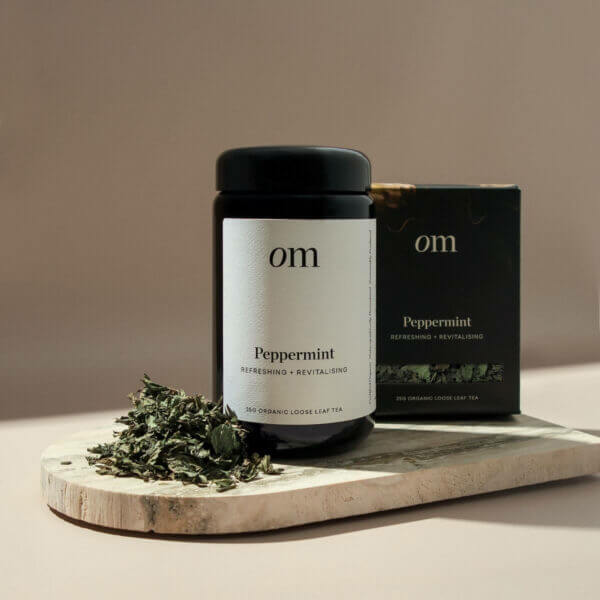
Pure Organic Loose Leaf Peppermint Tea, made from 100% premium certified organic peppermint leaves.
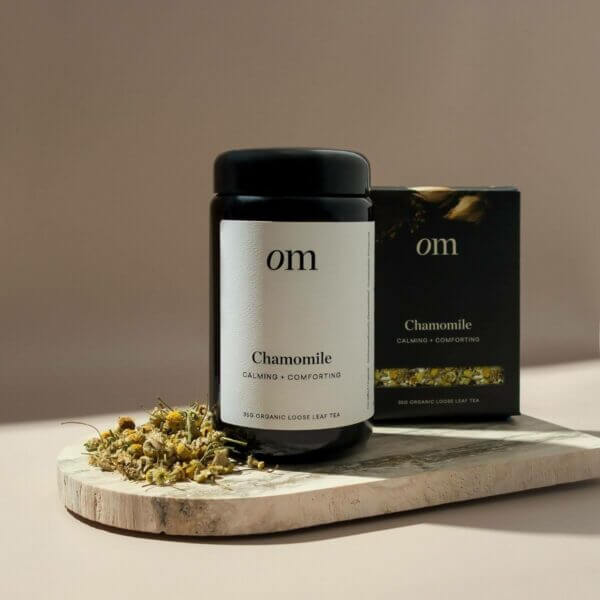
A pure certified organic chamomile tisane good for naturally soothing indigestion. Comforting and calming.
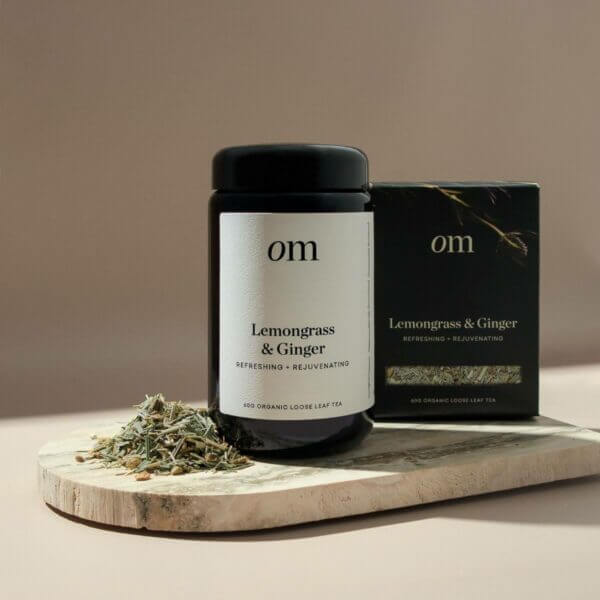
A revitalising blend boasting uplifting aromatic citrus notes with warm rejuvenating ginger spice.

A multi-award-winning rooibos tea boasting earthy and nutty flavours with rose overtones, cinnamon & vanilla.

A pure sencha green tea offering light revitalising grassy notes, with smooth slightly sweet overtones.
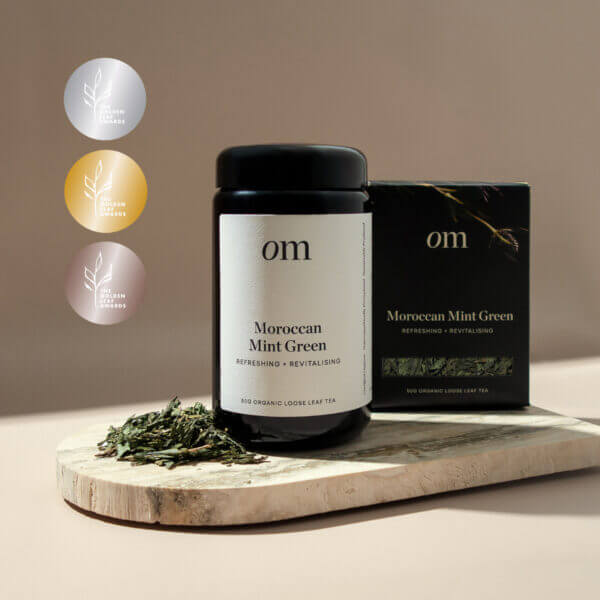
A multi-award-winning Moroccan mint tea with a green base. Refreshing, balanced and certified organic.
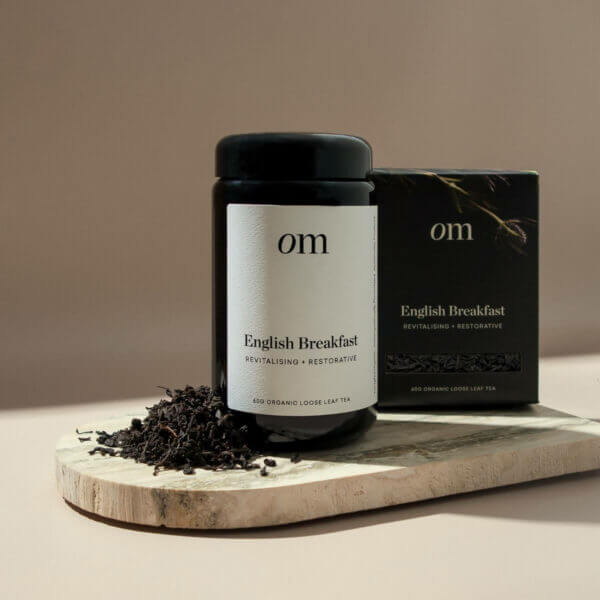
OM's English Breakfast Tea is a full-bodied, loose leaf, premium grade Orange Pekoe Black Tea.
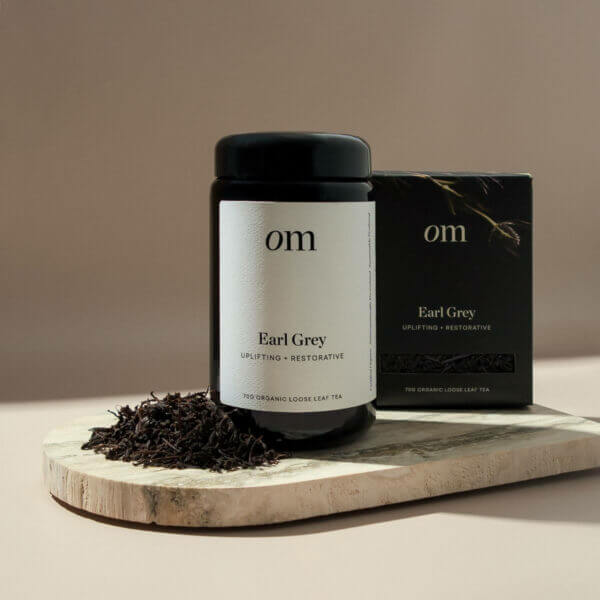
A restorative black tea blend of premium grade orange pekoe infused with refreshing citrus tones of bergamot.
Green Tea: The Most Researched Option for Metabolic Support
Green tea has the most extensive research supporting potential metabolic benefits during fasting.
Why green tea is valuable for metabolic fasting: According to the research cited earlier, green tea contains high levels of EGCG catechins, which research suggests may support fat oxidation [16][17][18]. It contains moderate caffeine (approximately 25 to 50 milligrams per cup depending on brewing strength and variety) that provides alertness and mental clarity without excessive stimulation. It contains L-theanine, which promotes calm focus when combined with caffeine [23]. It has lower tannin content than black tea, making it gentler on an empty stomach than black varieties.
Best used: Mid-morning or early afternoon during your metabolic fast when you want metabolic support and mental clarity. Limit to 1 to 3 cups during your fasting window to avoid excessive caffeine.
Who should be cautious: Those sensitive to caffeine, those with stomach ulcers or severe GERD, and those fasting in the evening should choose herbal options instead.
Black Tea: The Comforting Classic with Caveats
Black tea varieties offer fuller flavor and higher caffeine content (approximately 40 to 70 milligrams per cup).
Why black tea can be valuable: Black tea is rich in antioxidants and theaflavins (oxidized polyphenols formed during the fermentation process). It provides sustained energy and mental alertness. It has a robust, comforting flavor that many people find deeply satisfying. It is well-researched for metabolic benefits similar to green tea.
Important caution: Black tea has significantly higher tannin content than green or white tea due to the oxidation process in production. According to the earlier discussion on tannins, this means black tea is more likely to cause stomach upset, nausea or acid reflux on an empty stomach during metabolic fasting.
Best used: For shorter metabolic fasts (such as the final few hours of a 16-hour fast), or for individuals who know they have strong stomach tolerance. Not recommended for longer fasts or for those with sensitive stomachs.
Recommendation: If you love black tea but experience any stomach discomfort, try consuming it during your eating window rather than during the fast, or switch to white or green tea during fasting periods.
White Tea: The Delicate, Gentle Option
White tea varieties are the least processed of all true teas, preserving delicate flavors and phytonutrients.
Why white tea is excellent for metabolic fasting: It has the lowest caffeine content among true teas from Camellia sinensis (approximately 15 to 30 milligrams per cup). It is exceptionally gentle on the stomach with minimal tannins. It preserves delicate antioxidants due to minimal processing. It offers gentle support without strong stimulation.
Best used: For longer metabolic fasting periods (such as 18 to 24-hour fasts), for those with caffeine sensitivity, for evening consumption during extended fasts, or for those who want the benefits of true tea without significant caffeine or tannins.
Summary Table: Selecting Tea for Your Specific Metabolic Fasting Goals
Your Primary Goal | Recommended Tea Types | Key Benefits | Best Timing |
Gentle support with no caffeine | Peppermint, Chamomile, Ginger, Rooibos | No caffeine, no tannins, digestive comfort, universally well-tolerated [21][22] | Any time during fast |
Metabolic support and fat oxidation | Green Tea (Sencha, Jasmine) | EGCG catechins may enhance fat oxidation; moderate caffeine for alertness [16][17][18] | Mid-morning to early afternoon |
Maximum mental clarity and focus | Green Tea (Sencha, Jasmine) or Black Tea (English Breakfast, Earl Grey) | Caffeine plus L-theanine for calm alertness; established cognitive benefits [23] | Morning to early afternoon only |
Evening or overnight fasting | Chamomile, Rooibos, Peppermint | Caffeine-free, calming, supports sleep preparation [21] | Evening during fast |
Sensitive stomach or new to fasting | Rooibos, Chamomile, White Tea (Silver Needle) | Minimal to no tannins, exceptionally gentle, no harsh effects [21] | Any time during fast |
Digestive discomfort or nausea during fasting | Ginger, Peppermint, Chamomile | Documented digestive-soothing properties from research [21][22] | When discomfort occurs |
Longest fasts (24+ hours) | White Tea (Silver Needle), Herbal varieties | Very gentle, minimal caffeine, won’t exacerbate cortisol or cause jitters | Throughout extended fast |
What Else Can You Drink During Metabolic Fasting?
Beyond tea, several other beverages are compatible with metabolic fasting according to research and common practice.
Beverage | Acceptable for Metabolic Fasting? | Notes and Considerations |
Water (still or sparkling) | ✓ Yes | The gold standard. Unlimited consumption. Unflavored sparkling water is also acceptable. Essential for hydration. [15] |
Black coffee | ✓ Yes | No additives allowed. Similar metabolic profile to tea. Contains caffeine, so same cautions about excessive consumption apply. |
Herbal infusions | ✓ Yes | Peppermint, chamomile, ginger, rooibos, hibiscus all acceptable. Check for added sugars in commercial blends. [21][22] |
Lemon water | ✓ Yes | Negligible calories (3-4 per wedge), no insulin response according to research. May support digestion. Use fresh lemon, avoid bottled juice with additives. [3] |
Apple cider vinegar in water (1-2 teaspoons) | △ Maybe | Contains 0 to 2 calories. Some practitioners include it for potential blood sugar benefits, though research is limited. Highly acidic, so may cause stomach discomfort for some. |
Electrolyte water (sugar-free) | △ Maybe | For fasts over 24 hours, sugar-free electrolyte supplements can help maintain mineral balance. Must be truly zero-calorie and sugar-free. [15] |
Coffee with cream, milk, or butter | ✗ No | All dairy and fats trigger insulin response and break metabolic fast. |
Energy drinks | ✗ No | Almost always contain sugars or artificial sweeteners. High caffeine content. Not recommended. |
Coconut water | ✗ No | Contains natural sugars (approximately 6 grams per 100ml) that trigger insulin. Breaks metabolic fast. |
Fruit juice of any kind | ✗ No | High sugar content immediately triggers insulin response. Breaks metabolic fast. |
Any milk-based beverage | ✗ No | Protein and lactose trigger insulin. Breaks metabolic fast. |
Bone broth | ✗ No | Contains protein (approximately 6-10 grams per cup) and approximately 40 calories. Technically breaks a metabolic fast, though some use it for transitioning in or out of extended fasts. |
Diet sodas or zero-calorie drinks with artificial sweeteners | △ Maybe/No | Technically zero calories, but artificial sweeteners may trigger cephalic insulin response in some people according to research [11][12]. Many strict fasters avoid these. Individual tolerance varies. |
FAQ
No, absolutely not. During Ramadan, all food and beverages including tea, coffee and water are strictly prohibited from dawn until sunset. This is a spiritual discipline, not a metabolic guideline. Tea becomes part of the iftar ritual after sunset.
All plain, unsweetened varieties are acceptable: true teas (green like Sencha, black like Earl Grey, white like Silver Needle), herbal infusions (peppermint, chamomile, ginger, rooibos), and pure fruit teas without added sugars. Always check ingredient labels for hidden sweeteners.
No. Caffeine does not trigger insulin or disrupt fat burning. However, excessive caffeine on an empty stomach can cause jitteriness, anxiety and digestive upset, so moderate your intake to 1 to 3 cups of caffeinated tea daily during fasting.
No. A lemon wedge contains only 3 to 4 calories with no meaningful insulin response. Fresh lemon is safe and may support digestion during metabolic fasting.
Plain tea contains only 2 to 5 calories per cup and triggers no insulin response, meeting the core requirement of metabolic fasting which depends on absent insulin triggers, not absolute zero calories. This preserves your fat-burning metabolic state.
Amounts under 50 calories from non-insulinogenic sources (like plain tea) will not meaningfully disrupt metabolic fasting for most people. However, for maximum autophagy and deepest metabolic switching, many practitioners aim for zero calories. For religious fasting, complete abstinence is required regardless of calories.
Adding milk, cream or any dairy alternative. Even a small splash contains enough protein and carbohydrates to trigger insulin, immediately ending the metabolic fast and halting fat burning.
According to multiple research studies, green tea catechins may modestly enhance fat oxidation during fasting. Research shows this effect is real but modest (a few percent increase in fat oxidation). Green tea can be a supportive tool but is not a magic solution. The research suggests consuming 1 to 3 cups during your fasting window may provide this modest metabolic support.
Personally, we distance ourselves from metabolic fasting for weight loss goals.


Sources:
- [1] Abolaban, H., & Al-Moujahed, A. (2017). Muslim patients in Ramadan: A review for primary care physicians. Avicenna Journal of Medicine, 7(3), 81-87. https://pmc.ncbi.nlm.nih.gov/articles/PMC5525471/
- [2] Anton, S.D., et al. (2018). Flipping the Metabolic Switch: Understanding and Applying Health Benefits of Fasting. Obesity, 26(2), 254-268. https://pmc.ncbi.nlm.nih.gov/articles/PMC5783752/
- [3] U.S. Department of Agriculture, Agricultural Research Service. (2019). FoodData Central. https://fdc.nal.usda.gov/
- [4] Patterson, R.E., & Sears, D.D. (2017). Metabolic Effects of Intermittent Fasting. Annual Review of Nutrition, 37, 371-393. https://pmc.ncbi.nlm.nih.gov/articles/PMC5959807/
- [5] Prasanth, M.I., et al. (2019). A Review of the Role of Green Tea (Camellia sinensis) in Antiphotoaging, Stress Resistance, Neuroprotection, and Autophagy. Nutrients, 11(2), 474. https://pmc.ncbi.nlm.nih.gov/articles/PMC6412948/
- [6] Longo, V.D., & Mattson, M.P. (2014). Fasting: molecular mechanisms and clinical applications. Cell Metabolism, 19(2), 181-192. https://pmc.ncbi.nlm.nih.gov/articles/PMC3946160/
- [7] Ho, K.Y., et al. (1988). Fasting enhances growth hormone secretion and amplifies the complex rhythms of growth hormone secretion in man. Journal of Clinical Investigation, 81(4), 968-975. https://pmc.ncbi.nlm.nih.gov/articles/PMC329619/
- [8] Mattson, M.P., et al. (2017). Impact of intermittent fasting on health and disease processes. Ageing Research Reviews, 39, 46-58. https://pmc.ncbi.nlm.nih.gov/articles/PMC5411330/
- [9] de Cabo, R., & Mattson, M.P. (2019). Effects of Intermittent Fasting on Health, Aging, and Disease. New England Journal of Medicine, 381(26), 2541-2551. https://www.nejm.org/doi/full/10.1056/NEJMra1905136
- [10] Elortegui Pascual, P., et al. (2023). A meta-analysis comparing the effectiveness of alternate day fasting, the 5:2 diet, and time-restricted eating for weight loss. Obesity, 31 Suppl 1, 9-21. https://pubmed.ncbi.nlm.nih.gov/36815783/
- [11] Ahmad, S.Y., et al. (2020). Effect of artificial sweeteners on insulin resistance among type-2 diabetes mellitus patients. Journal of Ayub Medical College Abbottabad, 32(1), 66-70. https://pmc.ncbi.nlm.nih.gov/articles/PMC7014832/
- [12] Pepino, M.Y., et al. (2013). Sucralose affects glycemic and hormonal responses to an oral glucose load. Diabetes Care, 36(9), 2530-2535. https://pmc.ncbi.nlm.nih.gov/articles/PMC3747933/
- [13] Steinert, R.E., et al. (2011). Effects of carbohydrate sugars and artificial sweeteners on appetite and the secretion of gastrointestinal satiety peptides. British Journal of Nutrition, 105(9), 1320-1328. https://pubmed.ncbi.nlm.nih.gov/21255472/
- [14] Azad, M.B., et al. (2017). Nonnutritive sweeteners and cardiometabolic health: a systematic review and meta-analysis of randomized controlled trials and prospective cohort studies. Canadian Medical Association Journal, 189(28), E929-E939. https://pmc.ncbi.nlm.nih.gov/articles/PMC5515645/
- [15] National Academies of Sciences, Engineering, and Medicine. (2005). Dietary Reference Intakes for Water, Potassium, Sodium, Chloride, and Sulfate. The National Academies Press. https://www.nap.edu/catalog/10925/dietary-reference-intakes-for-water-potassium-sodium-chloride-and-sulfate
- [16] Hursel, R., & Westerterp-Plantenga, M.S. (2013). Catechin- and caffeine-rich teas for control of body weight in humans. The American Journal of Clinical Nutrition, 98(6 Suppl), 1682S-1693S. https://pubmed.ncbi.nlm.nih.gov/24172301/
- [17] Moon, H.S., et al. (2007). (-)-Epigallocatechin-3-gallate increases the expression of genes related to fat oxidation in the skeletal muscle of high fat-fed mice. Food and Function, 3(3), 328-334. https://pmc.ncbi.nlm.nih.gov/articles/PMC3400462/
- [18] Venables, M.C., et al. (2008). Green tea extract ingestion, fat oxidation, and glucose tolerance in healthy humans. The American Journal of Clinical Nutrition, 87(3), 778-784. https://pmc.ncbi.nlm.nih.gov/articles/PMC3649093/
- [19] Gahreman, D., et al. (2015). Green Tea, Intermittent Sprinting Exercise, and Fat Oxidation. Nutrients, 7(7), 5646-5663. https://pmc.ncbi.nlm.nih.gov/articles/PMC4517022/
- [20] Dulloo, A.G., et al. (1999). Efficacy of a green tea extract rich in catechin polyphenols and caffeine in increasing 24-h energy expenditure and fat oxidation in humans. The American Journal of Clinical Nutrition, 70(6), 1040-1045. https://pubmed.ncbi.nlm.nih.gov/10584049/
- [21] National Center for Complementary and Integrative Health. (2020). Peppermint Oil. https://www.nccih.nih.gov/health/peppermint-oil
- [22] Bodagh, M.N., et al. (2019). Ginger in gastrointestinal disorders: A systematic review of clinical trials. Food Science & Nutrition, 7(1), 96-108. https://pmc.ncbi.nlm.nih.gov/articles/PMC6341159/
- [23] Bloomer, R.J., & Timmcke, J.Q. (2024). The Physiologic Benefits of Caffeine and L-Theanine. Acta Scientific Nutritional Health. https://www.memphis.edu/healthsciences/pdfs/2024-caffeine-l-theanine-asnh.pdf
- [24] Bhagwat, S., et al. (2014). USDA Database for the Flavonoid Content of Selected Foods, Release 3.1. U.S. Department of Agriculture. https://www.ars.usda.gov/ARSUserFiles/80400525/Data/Flav/Flav_R03-1.pdf
- [25] Liu, K., et al. (2013). Effect of green tea on glucose control and insulin sensitivity: a meta-analysis of 17 randomized controlled trials. The American Journal of Clinical Nutrition, 98(2), 340-348. https://pubmed.ncbi.nlm.nih.gov/23803878/
- [26] Lane, J.D., et al. (2002). Caffeine affects cardiovascular and neuroendocrine activation at work and home. Psychosomatic Medicine, 64(4), 595-603. https://pubmed.ncbi.nlm.nih.gov/12140350/
- [27] Nehlig, A. (2018). Interindividual Differences in Caffeine Metabolism and Factors Driving Caffeine Consumption. Pharmacological Reviews, 70(2), 384-411. https://pubmed.ncbi.nlm.nih.gov/29514871/
- [28] Cappelletti, S., et al. (2015). Caffeine: Cognitive and Physical Performance Enhancer or Psychoactive Drug? Current Neuropharmacology, 13(1), 71-88. https://pmc.ncbi.nlm.nih.gov/articles/PMC4462044/
- [29] Shechter, M., et al. (2011). Effects of caffeine on venous and arterial compliance and on cardiovascular responses to orthostasis. American Journal of Cardiology, 107(10), 1534-1538. https://pubmed.ncbi.nlm.nih.gov/21420056/
- [30] Wikoff, D., et al. (2017). Systematic review of the potential adverse effects of caffeine consumption in healthy adults, pregnant women, adolescents, and children. Food and Chemical Toxicology, 109(Pt 1), 585-648. https://pubmed.ncbi.nlm.nih.gov/28964859/
- [31] Maughan, R.J., & Griffin, J. (2003). Caffeine ingestion and fluid balance: a review. Journal of Human Nutrition and Dietetics, 16(6), 411-420. https://pubmed.ncbi.nlm.nih.gov/19774754/