

UTI: A Holistic Guide – Causes, Symptoms and Natural Treatments for Urinary Tract Infections
This guide provides a complete overview of urinary tract infections (UTIs), explaining why they happen and how to recognize common symptoms. You will learn how natural remedies can support bladder health by fighting bacteria and soothing inflammation. We also cover practical tips for preventing future infections and vital safety information on when to seek professional medical help. Whether you are managing an active infection or looking for long-term prevention, this article offers evidence-based strategies to complement your medical care.
Key Takeaways:
Urinary tract infections (UTIs) affect millions worldwide, with women experiencing them at significantly higher rates due to anatomical differences. Approximately 20-30% of those affected will experience recurrent infections. [1, 2]
Herbal teas offer therapeutic support through bioactive compounds including polyphenols, catechins and volatile oils that demonstrate antibacterial activity against common uropathogens, particularly Escherichia coli which causes 80-90% of urinary tract infections. [3, 4]
Buchu leaf stands out among herbal remedies for its traditional use in urinary tract health, containing diosphenol and flavonoids that provide diuretic, anti-inflammatory and antimicrobial properties to support bladder wellness. [5, 6]
Hydration remains fundamental to both prevention and management of urinary tract infections, with herbal infusions providing the dual benefit of increased fluid intake alongside specific phytochemicals that may inhibit bacterial adhesion and reduce inflammation. [7, 8]
Natural approaches complement conventional treatment rather than replace it, and severe or persistent urinary tract infection symptoms require professional medical evaluation to prevent serious complications including kidney infection [9].
Click here to jump to the tea recommendation right away.
Understanding Urinary Tract Infections – Common Causes & Symptoms
Urinary tract infections represent one of the most frequently occurring bacterial infections worldwide, affecting millions of individuals annually and generating substantial healthcare costs. These infections develop when bacteria enter the urinary system and multiply within the bladder, urethra or occasionally the kidneys. Escherichia coli accounts for approximately 80–90% of all UTIs, though other pathogens including Klebsiella pneumoniae, Proteus mirabilis and Staphylococcus saprophyticus can also cause infections [3, 4].
Women experience urinary tract infections at markedly higher rates than men, with estimates suggesting that over 40-50% of women will develop at least one urinary tract infection during their lifetime [2, 9]. This gender disparity stems primarily from anatomical differences, as the female urethra measures significantly shorter than the male urethra and sits in closer proximity to the rectum, facilitating bacterial migration into the urinary tract [7]. The risk of recurrence remains substantial, with 20-30% of women experiencing a subsequent infection within months of their initial episode [2, 10].
The hallmark symptoms of a urinary tract infection include:
a persistent urge to urinate,
a burning sensation during urination (dysuria),
cloudy or strong-smelling urine,
and discomfort in the lower abdomen or pelvic region.
Some individuals also experience [1, 3]:
urinary frequency with only small amounts of urine passed,
blood in the urine (haematuria),
and suprapubic tenderness.
When the infection ascends to the kidneys, symptoms may escalate to include fever, chills, flank pain, nausea, and vomiting, indicating pyelonephritis that requires immediate medical attention [1].
Several factors increase susceptibility to urinary tract infections. These include [4, 9, 10]:
sexual activity,
certain types of contraceptives (particularly spermicides),
menopause-related hormonal changes,
pregnancy,
urinary catheter use,
incomplete bladder emptying,
previous urinary tract infection history
and diabetes.
Understanding these risk factors enables individuals to adopt targeted preventive strategies alongside therapeutic interventions.
When to see a doctor for a Urinary Tract Infection
Seek emergency care immediately if you experience:
You should call emergency services or attend the emergency department if you notice:
High fever above 38.5°C (101.3°F), particularly when accompanied by chills and shaking, as this suggests systemic infection or kidney involvement (pyelonephritis) [11].
Severe back or flank pain, especially when affecting only one side, indicates possible kidney infection or obstruction requiring urgent evaluation [12].
Persistent nausea and vomiting that prevents oral fluid intake creates risk of dehydration and suggests upper urinary tract infection [8].
Confusion, lethargy, or altered mental status, particularly in elderly individuals, may indicate sepsis or urosepsis, a medical emergency [13].
Complete inability to urinate (urinary retention) suggests obstruction requiring urgent intervention [14].
Visible blood in urine accompanied by pain and fever warrants immediate assessment [15].
Signs of sepsis including rapid heart rate, rapid breathing, extreme weakness, very low blood pressure (dizziness, fainting), and cold and clammy skin require emergency treatment [16].
Schedule medical consultation within 24-48 hours if:
You should arrange a prompt medical appointment if:
Initial urinary tract infection symptoms (burning, frequency, urgency) appear, as early antibiotic treatment prevents progression to kidney infection [17].
Symptoms persisting beyond three to five days despite home treatment with increased fluids and herbal support indicate the need for medical evaluation [18].
Symptoms that worsen or new symptoms developing whilst using natural remedies require professional assessment [17].
Recurrent urinary tract infections (two or more infections within six months, or three or more within one year) warrant investigation for underlying causes such as anatomical abnormalities, kidney stones, or other predisposing factors [9, 10].
High-risk groups requiring immediate medical care
Certain populations should seek professional care immediately upon noticing any urinary tract infection symptoms, rather than attempting home management.
High-Risk Group | Reason for Immediate Care |
Pregnant Women | Risk of preterm labour, low birth weight and kidney infection [19]. |
Children & Infants | Risk of rapid progression to kidney infection, causing permanent kidney damage [20]. |
Men | UTIs are always considered complicated due to anatomy and potential prostate involvement [4]. |
Elderly Individuals | Higher risk of atypical presentation (e.g. confusion may be the only symptom) and rapid progression to serious infection [21]. |
Immunocompromised Patients | Increased risk of severe infection and unusual pathogens [10]. |
People with Kidney Disease or Structural Abnormalities | Increased complication risk; may require specialised treatment [8]. |
Individuals with Indwelling Catheters | Often require catheter removal or exchange alongside antibiotic therapy [22]. |
People with Spinal Cord Injuries or Neurogenic Bladder | Higher risk of complications and atypical presentation [8]. |
The remainder of this guide discusses supportive natural approaches that complement medical care. Always prioritise professional medical evaluation and treatment when indicated.

What should you drink when managing a Urinary Tract Infection?
The cornerstone of urinary tract infection management involves significantly increasing fluid intake to help flush bacteria from the urinary system. Water serves as the primary recommendation, with healthcare providers typically advising consumption of at least 1.5 to 2.5 litres daily during an active infection [7, 8]. However, incorporating therapeutic herbal teas offers the dual advantage of meeting hydration requirements while simultaneously delivering bioactive compounds that may provide additional urinary tract support [23, 24].
Herbal infusions have been utilised for centuries across various traditional medicine systems to address bladder and urinary tract concerns. Modern scientific investigation has begun elucidating the mechanisms through which specific herbs may benefit urinary health, validating many traditional applications.
Herbal teas designed for urinary tract infection health work through multiple pathways [23, 24, 25]:
anti-adhesion effects that prevent bacteria from attaching to the urinary tract lining,
antimicrobial activity that directly inhibits bacterial growth,
anti-inflammatory properties that soothe irritated tissues, and diuretic actions that promote urination and bacterial clearance.
Does drinking tea help treat or prevent UTIs?
Drinking therapeutic herbal teas can provide meaningful support for urinary tract health. Unlike plain water, herbal teas contain polyphenols, catechins, tannins and volatile oils that research suggests may actively contribute to symptom relief and infection resolution [24, 26].
For instance, certain tea catechins have demonstrated the ability to prevent bacterial adhesion to uroepithelial cells, effectively disrupting the infection process at its source. Green tea catechins, particularly epigallocatechin, are excreted in urine where they may reach concentrations sufficient to inhibit E. coli growth, with laboratory studies showing antibacterial activity against urinary tract infection isolates. [26, 27]
The combination of increased fluid intake with antimicrobial, anti-inflammatory and soothing properties positions herbal teas as valuable therapeutic agents. A 2019 clinical trial found that women receiving green tea alongside standard antibiotic therapy experienced significantly better outcomes than those receiving antibiotics alone [28]. Additionally, the ritual of preparing and consuming warm tea can provide comfort during the discomfort of a urinary tract infection, supporting overall wellbeing during recovery.
When selecting teas for bladder infection support, quality matters significantly. Certified organic herbal preparations ensure freedom from pesticides and contaminants that could potentially irritate an already compromised urinary tract. Naturopathically formulated blends consider both traditional wisdom and contemporary understanding of herbal synergies, offering comprehensive support rather than relying on single ingredients [24, 29].
Key ingredients in Urinary Tract Infection Tea and their mechanisms of action
Understanding the specific botanicals used in herbal teas for bladder health and how they function provides insight into their therapeutic potential. Scientific research has identified several key compounds and their mechanisms of action.
Primary Therapeutic Compounds:
Polyphenols & Catechins (from Green Tea): Inhibit bacterial adhesion and damage bacterial cell membranes [26, 27].
Proanthocyanidins (from Cranberry): Prevent bacterial fimbriae from attaching to the bladder wall via anti-adhesion properties [30, 31].
Volatile Oils, e.g. Diosphenol (from Buchu): Provide urinary antiseptic and anti-inflammatory effects when excreted [5, 6].
Flavonoids (from Buchu, Yarrow, Parsley): Contribute anti-inflammatory activity, strengthen connective tissue and provide antispasmodic effects [6, 32].
Mucilage/Polysaccharides (from Marshmallow Root, Couch Grass): Form protective coatings on irritated tissues and soothe mucous membranes [33, 34].
Arbutin (from Uva Ursi): Converts to antimicrobial hydroquinone in alkaline urine, functioning as a urinary antiseptic [35, 36].
The synergistic combination of these compounds in thoughtfully formulated herbal blends provides more comprehensive support than any single ingredient alone. Anti-adhesion properties (cranberry, potentially couch grass) may help prevent initial bacterial colonization, antimicrobial compounds (buchu, juniper, green tea, yarrow) inhibit bacterial growth in laboratory studies, demulcent constituents (marshmallow, couch grass) soothe irritated tissues, anti-inflammatory components (buchu, yarrow, couch grass) reduce pain and swelling, and diuretic effects (juniper, parsley, buchu, yarrow) promote frequent urination to flush bacteria from the system [23, 24, 32, 34].
Which specific teas are recommended for UTIs?
When considering what tea is good for urinary infections, several herbal options demonstrate particular promise based on traditional use and scientific evidence. The following teas represent the most studied and traditionally valued options for urinary tract support.
Primary Recommendation: Buchu Tea
Buchu tea (Barosma betulina) represents the premier herbal choice for urinary tract infection management, supported by both historical use and contemporary research. Indigenous to South Africa and used for centuries by the Khoi San people for urinary conditions, buchu was listed in the British Pharmacopoeia of 1821 as a treatment for cystitis, urethritis, and nephritis, reflecting its historical significance in Western herbalism [5, 6].
What makes buchu particularly valued in traditional herbal medicine is its combination of three therapeutic actions in a single herb: direct antimicrobial activity through volatile oils demonstrated in laboratory studies, potent diuretic effects that flush bacteria from the system, and anti-inflammatory properties that soothe irritated tissues [5, 6, 39]. Laboratory studies have shown that buchu leaf extracts demonstrate moderate antimicrobial activity, particularly against gram-positive bacteria and E. coli, though robust clinical trials in humans remain limited [6, 39]. The herb’s flavonoid content (rutin, diosmin, hesperidin, quercetin) contributes anti-inflammatory and antioxidant effects, whilst mucilaginous compounds may soothe the urinary tract lining, potentially reducing burning and irritation [6, 39].
Organic Merchant’s Buchu Leaf Tea combines buchu with complementary herbs to create a comprehensive UTI support formula. The blend includes:
Buchu leaf for primary antimicrobial, diuretic and anti-inflammatory action.
Marshmallow root to soothe and coat inflamed urinary tract tissues.
Juniper berries for additional antimicrobial and diuretic support that enhances bacterial flushing.
Couch grass for demulcent properties that soothe tissues.
Yarrow flowers for antimicrobial, anti-inflammatory and antispasmodic effects that reduce bladder discomfort.
This blend is naturally caffeine-free and contains 100% ACO Certified Organic ingredients, ensuring freedom from pesticides and contaminants.
Preparation and Dosage: For acute urinary tract infection symptoms, steep one to two teaspoons of the herbal blend in 250 millilitres boiling water for ten to fifteen minutes. Consume one to two litres daily (approximately four to eight cups) to achieve therapeutic benefit during active infection [6, 39]. For prevention in individuals prone to recurrent infections, one to two cups daily provides maintenance support [5, 43].
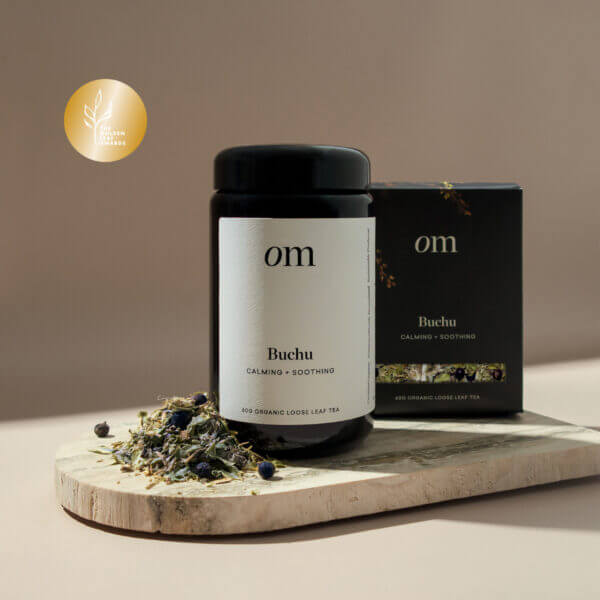
Calming & soothing tisane combining buchu leaf's blackcurrant aroma with fresh juniper. Award-winning.

A pure sencha green tea offering light revitalising grassy notes, with smooth slightly sweet overtones.
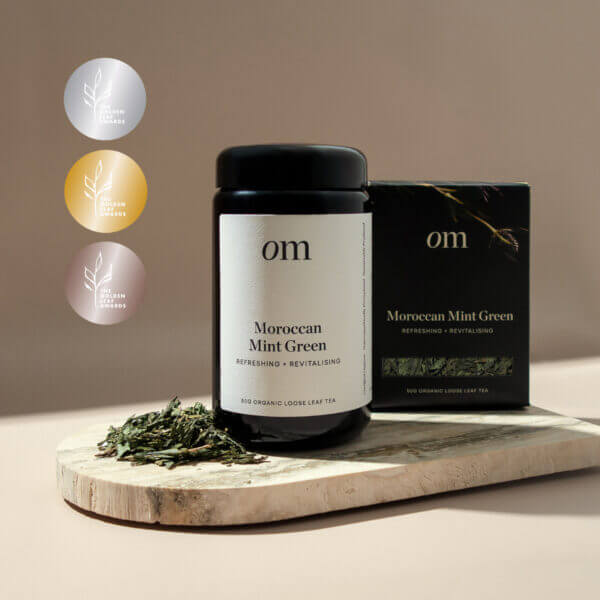
A multi-award-winning Moroccan mint tea with a green base. Refreshing, balanced and certified organic.
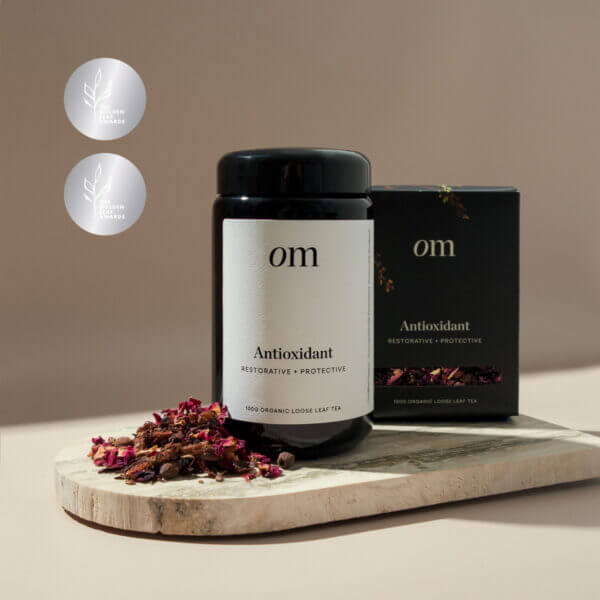
A berry and honeybush tea with hibiscus and rose overtones. Brilliant crimson colour. Award-winning.
Additional evidence-based teas
Green tea represents another valuable option, particularly when used alongside conventional treatment. A randomized clinical trial published in 2019 found that women receiving green tea capsules (two grams daily for three days) in addition to standard antibiotic therapy experienced significantly better outcomes than those receiving antibiotics alone [28]. The improvement was attributed to green tea’s antimicrobial effects and potential synergistic action with trimethoprim-sulfamethoxazole [28, 44]. For maximum benefit, green tea should be consumed without milk, as dairy proteins may bind to catechins and reduce their bioavailability [45]. Prepare green tea by steeping one teaspoon of leaves per cup for three to five minutes, consuming one to three cups daily during urinary tract infection [26, 28].
Note that green tea contains caffeine (25-50 milligrams per cup), which may irritate sensitive bladders in some individuals [46].Cranberry tea, while less concentrated than cranberry supplements, provides A-type proanthocyanidins that research has consistently linked to reduced urinary tract infection risk [30, 31, 47]. A 2023 Cochrane systematic review analyzing fifty randomized controlled trials with 8,857 participants found that cranberry products reduce the relative risk of symptomatic, culture-verified urinary tract infections, with the effect most pronounced in women with recurrent urinary tract infections [47]. The review reported moderate certainty evidence for benefit, though absolute risk reductions varied across populations [47]. For therapeutic effect, cranberry products should provide at least 36 milligrams of proanthocyanidins daily, which typically requires concentrated supplements rather than tea alone [30, 31]. However, cranberry tea can contribute to overall proanthocyanidin intake whilst supporting hydration.
Hibiscus tea offers antimicrobial, diuretic, anti-inflammatory, and antioxidant properties through anthocyanins, polyphenols, and organic acids. While specific urinary tract infection research remains limited compared to green tea and cranberry, clinical observations and in vitro studies support its traditional use. Prepare by steeping one tablespoon dried hibiscus flowers in 400 millilitres water for ten to fifteen minutes. [48]
Uva ursi tea (Arctostaphylos uva-ursi), also known as bearberry, contains arbutin which converts to antimicrobial hydroquinone in alkaline urine [35, 36]. Traditional use spans centuries, though clinical evidence remains limited and safety concerns warrant caution [35, 36]. German health authorities recommend limiting uva ursi use to no more than two weeks at a time and no more than five times per year due to potential liver toxicity from hydroquinone [36]. The herb should not be used during pregnancy, breastfeeding, or by individuals with kidney disease [35, 36]. Preparation involves steeping three grams dry leaves in 200 millilitres cold water for twelve to twenty-four hours (cold infusion reduces tannin extraction) [35].
Please note: In Australia the Therapeutic Goods Association has restricted the use of Uva ursi for external use only, and not for human consumption.
Goldenrod tea (Solidago virgaurea) provides diuretic, anti-inflammatory, and potential antimicrobial effects through flavonoids and saponins. The European Medicines Agency recognizes goldenrod for traditional use in increasing urinary output to help flush the urinary tract. Prepare by steeping two to three grams herb in 150 millilitres boiling water for ten to fifteen minutes, consuming two to three cups daily. [49]
Supportive Teas: Marshmallow root, parsley, chamomile tea and peppermint tea serve primarily supportive roles, providing symptomatic relief, mild antimicrobial effects or diuretic action [33, 42, 50, 51].
Combining teas for enhanced benefit
Traditional herbal protocols often combine complementary herbs to address multiple therapeutic targets simultaneously. Comprehensive urinary tract infection tea blends provide synergistic benefits, with buchu and juniper working together to combat bacteria through different mechanisms, whilst marshmallow and couch grass soothe inflamed tissues for symptomatic relief, and yarrow adds additional antimicrobial and antispasmodic effects to reduce bladder discomfort [24, 52].
Are there any teas to avoid with a UTI?
While many herbal teas offer potential benefits for urinary tract health, certain teas warrant caution or should be avoided entirely during an active urinary tract infection or for those prone to recurrent infections.
Caffeinated Teas: A Bladder Irritant
Traditional black tea, though derived from the same plant as green tea (Camellia sinensis), contains significantly higher caffeine content due to oxidation during processing (40-70 milligrams per cup compared to 25-50 milligrams in green tea) [45, 46]. Caffeine acts as a mild diuretic but, more problematically, functions as a bladder irritant in many individuals [46, 53]. The compound increases blood flow to the kidneys, stimulates detrusor muscle contractions and can lower the bladder’s sensory threshold, resulting in increased urgency, frequency and potential discomfort [46, 53].
Research indicates that women consuming high levels of caffeine (400 milligrams or more daily, equivalent to approximately five to six cups of standard black tea) demonstrate a 70% higher likelihood of experiencing urinary incontinence symptoms compared to those with minimal intake [54]. Whilst this research focused on incontinence rather than infection, the irritative mechanism applies equally to inflamed bladder tissues during a urinary tract infection [46, 53].
Green tea presents a more nuanced situation. Despite containing catechins with documented antimicrobial properties demonstrated in laboratory studies, green tea also contains caffeine [26, 28]. For individuals with particularly sensitive bladders or severe symptoms, even this moderate caffeine content may prove irritating [46]. Those wishing to gain green tea’s antimicrobial benefits whilst avoiding caffeine-related irritation might consider decaffeinated green tea, though the catechin content may be somewhat reduced during processing [26, 45].
Other Potentially Problematic Beverages
Sweetened or artificially flavoured tea preparations warrant caution. Added sugars can potentially promote bacterial growth, whilst artificial sweeteners have been associated with bladder irritation in some research, though evidence remains mixed [55]. For therapeutic purposes, consuming herbal teas without sweeteners or flavourings is advisable.
Highly acidic herbal teas may increase discomfort in some individuals, though responses vary. While cranberry’s acidity is generally well-tolerated and beneficial due to its proanthocyanidin content, excessive consumption of very acidic teas could potentially irritate sensitive bladder tissue in susceptible individuals [30, 47].
The Verdict on Caffeine
For acute urinary tract infection management, limiting or eliminating caffeinated beverages including black tea, coffee and energy drinks typically reduces symptom severity and promotes more comfortable healing [46, 53]. Once symptoms resolve, moderate consumption may be reintroduced if well-tolerated. Individuals prone to recurrent urinary tract infections might benefit from permanently switching to decaffeinated alternatives or restricting caffeine intake to under 100 milligrams daily (approximately one cup of coffee or two cups of weak green tea) [53].
The decision to include green tea despite its caffeine content should weigh the antimicrobial benefits demonstrated in research against potential irritation, considering individual tolerance and symptom severity [26, 28, 46]. For most people with mild to moderate symptoms, one to two cups of green tea daily provides therapeutic benefit whilst remaining below problematic caffeine thresholds.
How much tea should one drink daily for UTI relief?
Determining optimal tea consumption for urinary tract infection management requires balancing therapeutic benefit, safety considerations and practical feasibility. The quantity needed varies based on the severity of infection, the specific herbs employed and individual tolerance.
General Fluid Requirements During Urinary Tract Infections
Healthcare guidance consistently recommends consuming 1.5 to 2.5 litres (approximately six to ten cups) of total fluid daily when managing a urinary tract infection, with increases warranted during hot weather or if sweating [7, 8]. This volume supports the mechanical flushing action essential for bacterial clearance whilst diluting urine to reduce irritation.
Specific Tea Dosing Guidelines
For acute urinary tract infection symptoms, therapeutic tea consumption typically ranges from three to six cups daily, distributed throughout the day to maintain consistent urinary concentrations of active compounds. However, specific herbs carry individual recommendations.
Buchu tea blend: For active infection, clinical protocols based on traditional use suggest consuming one to two litres (four to eight cups) of buchu tea daily, which may constitute the majority of fluid intake [5, 6, 39]. This volume delivers therapeutic concentrations of antibacterial volatile oils whilst providing significant diuretic effect. The Organic Merchant Buchu leaf blend, containing buchu, marshmallow root, juniper berries, couch grass and yarrow, is formulated specifically for this therapeutic intensity.
Green tea: Antimicrobial benefits are observed with one to three cups daily in research studies, providing approximately 150-450 milligrams of catechins [26, 28]. Consuming more than four to five cups daily may introduce excessive caffeine (potentially irritating the bladder) and should generally be avoided during acute symptoms [46].
Cranberry tea or extract: While cranberry juice is often recommended at 240-300 millilitres daily, commercial cranberry teas vary considerably in proanthocyanidin content [30, 48]. Standardized extracts providing 36-72 milligrams proanthocyanidins daily show efficacy in research; achieving equivalent amounts through tea alone proves challenging without checking product specifications [30, 31].
Couch grass tea: Two to three cups daily provide demulcent and diuretic support according to traditional use guidelines [34]. The herb can be prepared as a decoction (simmered for better extraction) or cold infusion steeped overnight.
Juniper berry tea: One to two cups daily provides antimicrobial and diuretic support in traditional protocols, but should not be used continuously for more than four to six weeks without professional guidance due to potential kidney irritation with prolonged use [40, 59].
Yarrow tea: Two to three cups daily provide antimicrobial, anti-inflammatory, and antispasmodic benefits in traditional herbal medicine [32, 41].
Marshmallow root, parsley, goldenrod, chamomile, peppermint: These supportive herbs are generally consumed at two to three cups daily, prepared according to standard infusion methods (one to two teaspoons per cup, steeped five to fifteen minutes depending on the herb) [33, 42, 49, 50, 51].
Practical Daily Tea Protocol for Active Urinary Tract Infection
A balanced approach might involve two cups of Organic Merchant Buchu blend upon waking (providing comprehensive antimicrobial and soothing support), one cup of green tea or plain water mid-morning (offering additional antimicrobial support if tolerated), one cup of Buchu blend at lunchtime, one cup of marshmallow root or couch grass tea in the afternoon (providing soothing and demulcent effects), one cup of Buchu blend in early evening, and one cup of chamomile or peppermint tea before bed (contributing anti-inflammatory and relaxing properties) [24, 33, 50, 51]. This protocol provides six to seven cups of therapeutic tea (approximately 1.5 litres), with remaining fluid requirements met through water. The emphasis on the Buchu blend reflects its comprehensive formulation addressing multiple therapeutic targets simultaneously.
Important Considerations
Avoid excessive fluid intake: Whilst hydration is beneficial, consuming more than three to four litres daily without medical supervision can lead to electrolyte imbalances and hyponatraemia, particularly in elderly individuals or those with kidney conditions [66, 67].
Adjust for individual tolerance: Some people experience gastric upset with large quantities of herbal tea or highly tannic teas [35]. If discomfort occurs, reduce concentration or frequency.
Maintain consistency: Regular consumption throughout the day maintains steady urinary concentrations of therapeutic compounds, whereas sporadic large doses may prove less effective [26, 27].
Monitor urine output: Healthy urine should be pale yellow; clear, colorless urine suggests overhydration, whilst dark yellow indicates inadequate fluid intake [7].
For prevention of recurrent urinary tract infections, lower maintenance doses suffice, typically one to two cups of preventive herbal tea blends daily provides ongoing support without requiring the intensive consumption needed for active infection [5, 43, 47].
Can drinking tea help prevent recurrent UTIs?
Recurrent urinary tract infections, defined as two or more infections within six months or three or more within one year, affect approximately 25-30% of women following an initial urinary tract infection [9, 10, 63]. This frustrating pattern of repeated infections often leads individuals to seek preventive strategies beyond antibiotic prophylaxis, which carries risks of antimicrobial resistance and microbiome disruption [9, 63].
Evidence for tea in UTI prevention
Scientific research supports the preventive potential of specific herbal teas, particularly when consumed consistently over extended periods. The most robust evidence exists for cranberry products, with a 2023 Cochrane systematic review analyzing fifty randomized controlled trials involving 8,857 participants demonstrating that cranberry consumption reduces symptomatic, culture-verified urinary tract infections in women with recurrent infections [47]. The review reported moderate certainty evidence that cranberry products likely reduce the number of urinary tract infection episodes, with the mechanism attributed to proanthocyanidins preventing E. coli adhesion to bladder epithelium [47]. The benefit appears most pronounced in specific populations including women with recurrent UTIs and children, with less clear benefit in elderly populations or catheterised patients [47].
Green tea consumption shows promise for prevention based on its sustained antimicrobial activity demonstrated in laboratory studies and immune-modulating properties [26, 38]. Whilst large-scale prevention trials remain limited, the catechin epigallocatechin maintains urinary concentrations for several hours following consumption [27, 37]. Regular intake (one to three cups daily) theoretically provides continuous low-level antimicrobial support whilst bolstering immune function through antioxidant and anti-inflammatory pathways, though this requires validation in clinical prevention trials [26, 38].
Buchu tea has been incorporated into long-term prevention protocols by naturopathic practitioners, with clinical observations suggesting benefits when used as part of comprehensive herbal protocols [5, 43]. The recommended preventive dose involves consuming one to two cups of buchu tea daily, providing ongoing diuretic and mild antimicrobial support [5, 43]. However, controlled clinical trials specifically evaluating buchu for urinary tract infection prevention are lacking.
Mechanisms of Preventive Action
Herbal teas may help prevent recurrent urinary tract infections through several complementary mechanisms. Anti-adhesion activity, particularly from cranberry proanthocyanidins, prevents bacterial attachment to urothelial cells, the critical first step in establishing infection [30, 31, 47]. Regular consumption maintains low concentrations of antibacterial compounds in the urinary tract, potentially creating a less hospitable environment for pathogenic bacteria, though clinical significance requires further study [26, 38].
Herbs with diuretic properties (juniper, parsley, buchu, yarrow, couch grass) increase urine flow, mechanically flushing bacteria and potentially preventing colonization [5, 32, 40, 42]. Polyphenols and flavonoids support immune function and reduce chronic inflammation that may predispose to recurrent infections [38, 64]. Demulcent and anti-inflammatory herbs (marshmallow, couch grass) may help maintain healthy urinary tract tissues that better resist infection [33, 34].
Practical Prevention Strategy
For individuals experiencing recurrent urinary tract infections, implementing a daily tea protocol may provide meaningful protection. A practical approach might include one cup of green tea or Organic Merchant’s Buchu blend in the morning (providing antimicrobial catechins and comprehensive support), one cup of couch grass or goldenrod tea at midday (offering diuretic and demulcent effects), and one cup of cranberry or hibiscus tea in the evening (contributing anti-adhesion properties) [24, 26, 30, 47, 49]. This schedule provides approximately 750 millilitres to one litre of therapeutic fluid whilst distributing different mechanisms of action throughout the day. Consistency is essential. Preventive benefits accrue over weeks to months rather than days [47, 63].
It bears emphasising that herbal prevention should complement rather than replace evidence-based hygiene practices: adequate hydration (1.5-2 litres total fluid daily), urination after sexual activity, wiping front to back and promptly addressing any symptoms of infection [7, 8, 9]. For those with particularly stubborn recurrent infections, consultation with a healthcare provider about low-dose antibiotic prophylaxis or vaginal estrogen therapy (for postmenopausal women) remains appropriate [9, 65].
What other natural remedies can be combined with tea for Urinary Tract Infection support?
A comprehensive holistic approach to urinary tract infection management combines multiple evidence-based natural strategies to address different aspects of infection and promote urinary tract health. The following remedies work synergistically with therapeutic tea consumption and may enhance overall outcomes.
Remedy | Role & Evidence | Key Considerations |
Probiotics | Restore protective vaginal/gut microbiota; reduce recurrence risk. A 2024 study found vaginal probiotics significantly reduced UTI recurrence [68, 69, 71]. | Particularly valuable when combined with antibiotic therapy to prevent diarrhoea and support microbiome recovery [72]. |
D-Mannose | Theoretical anti-adhesion effect. However, a large 2024 RCT found no significant benefit over placebo for preventing recurrent UTIs [75, 76]. | Current evidence is insufficient to recommend it as a primary prevention strategy. |
Vitamin C | Acidifies urine, creating a less hospitable environment for bacteria [78]. | Evidence is mixed. Do not combine with uva ursi, which requires alkaline urine [35, 36]. May synergise with methenamine hippurate [80]. |
Vaginal Oestrogen (Postmenopausal) | Restores protective vaginal epithelium; can reduce UTI recurrence by up to 50% [65, 81]. | A prescription intervention that should be discussed with a healthcare provider. |
Lifestyle & Hygiene | Foundation of prevention: post-coital urination, front-to-back wiping, adequate hydration, avoiding irritants (caffeine, alcohol), wearing cotton underwear [7, 9, 82]. | Essential complementary practices. |
Heat Therapy | Applying a heating pad to the lower abdomen can ease discomfort and reduce bladder spasms [83]. | Provides symptomatic relief only. |
Integrative Protocol for Recurrent Urinary Tract Infections
A comprehensive approach might include daily herbal tea regimen of two to three cups of Buchu blend, cranberry, or green tea for ongoing antimicrobial and diuretic support, probiotic supplementation with vaginal Lactobacillus suppositories or oral Lactobacillus blend (one billion colony-forming units) taken daily preferably at bedtime, vitamin C at 100-500 milligrams daily to support immune function and provide gentle urinary acidification if not using uva ursi, consistent implementation of lifestyle modifications and hygiene practices with adequate hydration, regular monitoring with healthcare provider including periodic urine cultures to identify any subclinical infections, and vaginal estrogen if postmenopausal as prescribed by healthcare provider [7, 9, 65, 68, 71, 78].
This multifaceted strategy addresses urinary tract infection prevention through multiple complementary mechanisms [7, 9, 47, 65, 68, 71]:
mechanical clearance (hydration and diuresis),
antimicrobial activity (herbal teas),
anti-adhesion (cranberry),
microbiome support (probiotics),
immune enhancement (vitamin C, antioxidants in tea),
and tissue support (vaginal estrogen if applicable).
Is it safe to drink tea for Urinary Tract Infection during pregnancy?

Pregnancy introduces additional considerations when selecting herbal remedies, as substances that cross the placenta or transfer into breast milk may affect foetal development or infant health. Whilst many herbal teas offer therapeutic benefits for urinary tract infections, pregnant and breastfeeding women must exercise caution and prioritise safety-validated options.
Pregnancy-Safe Herbal Teas
Ginger tea enjoys robust safety evidence during pregnancy and is commonly recommended for nausea, making it an appropriate choice when dealing with urinary tract infection-related discomfort [57]. Its mild anti-inflammatory properties may provide some symptomatic relief, though it lacks the direct antimicrobial activity of other botanicals. Consumption should remain moderate (one to two cups daily) as with any herbal preparation during pregnancy [57].
Peppermint tea is generally recognized as safe during pregnancy when consumed in moderate amounts (one to two cups daily) [51]. Traditionally used to relieve digestive discomfort and nausea, peppermint’s mild antispasmodic properties may help ease bladder spasms associated with urinary tract infections [51]. However, very large quantities should be avoided, as excessive peppermint consumption could theoretically affect milk production in breastfeeding mothers, though this remains poorly documented [51].
Cranberry juice and cranberry tea are generally considered safe during pregnancy and may help prevent urinary tract infections [47, 56]. However, a Cochrane review found limited evidence specifically supporting cranberry use during pregnancy, with studies showing neither clear benefit nor harm [47, 56]. Pregnant women should opt for unsweetened cranberry products to avoid excessive sugar intake [47].
Herbal teas to use with caution
Green tea, whilst demonstrating strong antimicrobial properties against urinary tract infection pathogens in laboratory studies, contains caffeine and should be limited during pregnancy [26, 28, 58]. Current guidance suggests restricting total caffeine intake to below 200 milligrams daily during pregnancy (approximately two to three cups of green tea), balancing potential benefits against caffeine-related risks including low birth weight and preterm delivery [58]. Decaffeinated green tea may represent a safer alternative, though catechin content may be reduced [26, 45].
Chamomile tea requires particular caution, though occasional use appears low-risk. While chamomile is traditionally used for relaxation and digestive comfort, some research has raised questions about regular consumption during pregnancy [59]. One case report documented potential cardiovascular effects in a foetus following heavy chamomile tea consumption by the mother, which resolved after discontinuation [59]. However, this represents a single case report and occasional use (one cup weekly) appears low-risk for most pregnant women [59]. Daily consumption throughout pregnancy, particularly in the third trimester, may warrant additional caution and discussion with healthcare providers [59]. The evidence base remains limited, so a balanced approach involves moderation rather than complete avoidance.
Uva ursi (bearberry) is contraindicated during pregnancy and breastfeeding due to its hydroquinone content, which may cause liver damage and has not been adequately studied for safety in these populations [35, 36]. Similarly, buchu tea lacks sufficient safety data during pregnancy and should be avoided or used only under professional supervision, as traditional sources note potential uterine stimulant effects [5, 6]. The German Commission E specifically contraindicates buchu use during pregnancy [6].
Juniper berries should also be avoided during pregnancy due to traditional reports of uterine stimulation and insufficient safety data [40, 60]. Yarrow, while beneficial for urinary tract infections, is traditionally contraindicated in pregnancy due to potential effects on menstruation and uterine tone [32, 61].
Essential guidance for pregnant women
Herbal teas should be considered complementary support rather than primary treatment during pregnancy. Any herbal intervention should be discussed with and approved by the attending obstetrician or midwife, who can assess individual circumstances, consider potential interactions with prenatal supplements or medications and monitor for adverse effects [19, 56, 57]. For breastfeeding mothers, similar cautions apply, as many compounds transfer into breast milk [62]. When in doubt, consulting a lactation consultant or pharmacist with herbal medicine expertise provides valuable guidance.
Can you drink tea for UTI while taking antibiotics?
When antibiotics become necessary for treating a urinary tract infection, many individuals wonder whether continuing to drink therapeutic herbal teas alongside pharmaceutical treatment is safe and beneficial. Generally, most herbal teas prove compatible with standard urinary tract infection antibiotics, though some considerations merit attention.
Green Tea and Fluoroquinolone Antibiotics: A Complex Interaction
The relationship between green tea and fluoroquinolone antibiotics (ciprofloxacin, levofloxacin, moxifloxacin) involves two distinct concerns that warrant careful consideration.
First, fluoroquinolone antibiotics slow caffeine metabolism, potentially causing increased jitteriness, rapid heart rate, anxiety and other caffeine-related side effects when green tea is consumed alongside these medications. This represents a well-documented pharmacokinetic interaction where the antibiotic inhibits cytochrome P450 enzymes responsible for caffeine breakdown. [84, 85]
Second, the antimicrobial interaction picture is more complex and contradictory than a simple “avoid green tea” recommendation suggests. Some laboratory studies have shown antagonistic effects when green tea and ciprofloxacin are combined, with one 2015 study suggesting that concurrent use “may result in failure in treatment or delay in recovery from urinary tract infections” [86, 87].
However, other research has demonstrated synergistic or additive antibacterial effects between green tea catechins and fluoroquinolones against E. coli, with a 2005 study showing enhanced activity when combined [88, 89]. These contradictory findings from in vitro studies make it difficult to draw definitive clinical conclusions about antimicrobial interactions.
Practical guidance: Given the well-documented caffeine interaction and mixed evidence on antimicrobial effects, a prudent approach involves either avoiding green tea entirely during fluoroquinolone therapy or maintaining at least a two-hour separation between green tea consumption and antibiotic doses to minimize both caffeine accumulation and any potential reduction in antibiotic efficacy [84, 86]. Alternative herbal teas without high catechin content (chamomile, peppermint, marshmallow, buchu, yarrow, couch grass) can be consumed without timing restrictions during fluoroquinolone treatment [24, 50, 51].
Synergistic Effects: When tea enhances antibiotics
Interestingly, green tea catechins demonstrate synergistic or additive effects with certain antibiotics, potentially enhancing their activity. A 2019 clinical trial found that green tea enhanced the efficacy of trimethoprim-sulfamethoxazole (co-trimoxazole) in treating acute uncomplicated cystitis, suggesting that combining these treatments may improve outcomes [28].
Research documents potential synergism between green tea and aminoglycosides (gentamicin, amikacin) with enhanced antibacterial activity against E. coli in laboratory studies, green tea and trimethoprim-sulfamethoxazole with improved clinical outcomes in urinary tract infection treatment, green tea and chloramphenicol showing synergistic effects against multiple bacterial strains, and green tea with amoxicillin or azithromycin demonstrating additive antibacterial effects in some investigations [28, 44, 89, 90].
These synergistic interactions work through complementary mechanisms: antibiotics target specific bacterial processes (cell wall synthesis, protein production), whilst tea catechins damage cell membranes and inhibit enzymes, creating multiple simultaneous attacks on bacterial viability [26, 89, 90].
Nitrofurantoin and Herbal Teas
Nitrofurantoin, a common first-line antibiotic for uncomplicated urinary tract infections, shows no documented significant interactions with herbal teas. Patients taking nitrofurantoin can safely consume green tea, buchu, cranberry, couch grass, yarrow, juniper, and other herbal preparations without timing restrictions, though maintaining adequate hydration remains essential as nitrofurantoin requires normal renal function. [91]
Trimethoprim-Sulfamethoxazole Considerations
Trimethoprim-sulfamethoxazole (also known as co-trimoxazole, Bactrim, or Septra) similarly lacks documented interactions with most herbal teas [28, 45]. The clinical trial showing synergistic effects between green tea and trimethoprim-sulfamethoxazole suggests these can be safely combined and may even enhance treatment outcomes [28].
Most UTI teas are compatible with antibiotics
Buchu, cranberry, hibiscus, chamomile, yarrow, couch grass, juniper, marshmallow and peppermint teas do not significantly interfere with antibiotic absorption or metabolism when consumed at recommended amounts (three to four cups daily) [24, 92]. The compounds in these herbal preparations are not known to inhibit or induce the cytochrome P450 enzymes responsible for metabolizing most antibiotics [92].
However, as a general precaution, some practitioners recommend spacing herbal tea consumption one to two hours apart from antibiotic doses to minimize any theoretical interaction risk [92].
Potential benefits of combining tea with antibiotics
Benefits of combining herbal tea with antibiotics include enhanced hydration supporting kidney function and medication elimination, soothing symptomatic relief from anti-inflammatory and demulcent herbs (marshmallow, couch grass, chamomile), possible synergistic antimicrobial effects particularly with green tea and trimethoprim-sulfamethoxazole, and emotional comfort from actively participating in one’s healing process [24, 28, 33, 50].
When to modify herbal tea consumption during antibiotic therapy
Consider modifying tea consumption if taking fluoroquinolone antibiotics (ciprofloxacin, levofloxacin), in which case avoid green tea or maintain two-hour separation to prevent caffeine-related side effects and minimize any potential antimicrobial interference [84, 86]. If experiencing gastrointestinal upset from antibiotics, reduce tea strength or temporarily limit intake, as some herbs may further irritate sensitive digestion [35]. Ensure herbal teas don’t inadvertently violate any specific dietary restrictions that accompany certain antibiotics [92].
The Bottom Line on Tea-Antibiotic Combinations
For most individuals taking antibiotics for urinary tract infections, herbal tea consumption remains safe and may provide complementary benefits [24, 28, 92]. The key exception involves green tea with fluoroquinolone antibiotics, where the caffeine interaction is well-documented and the antimicrobial interaction evidence is mixed, making timing separation or temporary cessation of green tea prudent [84, 86]. Other herbal teas, particularly buchu blends, cranberry, marshmallow, chamomile, couch grass, yarrow, juniper and peppermint, carry no documented interaction concerns and can be consumed alongside antibiotic therapy to support hydration, soothe symptoms and potentially enhance recovery [24, 92].
Always inform healthcare providers about all supplements and herbal products you’re consuming, including therapeutic teas. Pharmacists represent excellent resources for interaction questions and can provide real-time guidance based on prescribed medications.
FAQ
Certain herbal teas can help alleviate urinary tract infection symptoms. Demulcent herbs like marshmallow root and couch grass soothe inflamed bladder tissues and may reduce burning sensations. Anti-inflammatory teas such as chamomile, yarrow and peppermint help decrease urgency and discomfort through flavonoid and volatile oil content. However, tea provides symptomatic relief rather than curing the infection. Antibiotics remain necessary for bacterial eradication in most cases.
The most evidence-supported teas for urinary tract infections include buchu tea (antimicrobial, diuretic and anti-inflammatory properties demonstrated in laboratory studies), green tea (catechins with antibacterial properties excreted in urine), cranberry tea (prevents bacterial adhesion with moderate quality evidence from clinical trials), couch grass (demulcent and diuretic based on traditional use), yarrow (antimicrobial and antispasmodic), juniper (antimicrobial and diuretic) and hibiscus (antimicrobial and anti-inflammatory)]. Black tea is generally avoided due to high caffeine content, which may irritate the bladder.
Excessive consumption of certain teas poses risks. Caffeine-containing teas can irritate the bladder and worsen symptoms when consumed in large quantities. High doses of uva ursi should not be used for more than two weeks due to potential liver toxicity from hydroquinone accumulation. Juniper should not be used continuously for more than four to six weeks. Very high tea consumption (beyond three to four litres total fluid daily) without medical supervision may cause electrolyte imbalances. Following recommended dosages minimises risks whilst maximising benefits.
Parents should always seek immediate medical attention for children with suspected urinary tract infections rather than relying on home remedies alone. Untreated urinary tract infections in children may rapidly progress to kidney infections, causing permanent kidney damage. Antibiotics remain the primary treatment for pediatric urinary tract infections.
Immediate medical attention is required for high fever above 38.5°C (101.3°F), severe back or flank pain, nausea and vomiting, blood in urine, confusion, or inability to keep down fluids. Pregnant women, children, men, elderly individuals and immunocompromised patients should seek care immediately upon noticing any urinary tract infection symptoms. Symptoms persisting beyond three to five days or worsening despite home treatment also warrant medical evaluation.
Symptomatic relief from soothing teas (marshmallow, couch grass, chamomile) may be noticed within hours as they coat and calm inflamed tissues. Antimicrobial effects accumulate over twenty-four to seventy-two hours of consistent consumption as compounds reach therapeutic urinary concentrations. Green tea catechins reach peak urinary concentrations approximately eight hours after consumption. However, complete resolution of infection typically requires five to seven days of treatment, whether using antibiotics or natural approaches.
Yes, preventive tea consumption is safe and potentially beneficial for those prone to recurrent urinary tract infections. Daily intake of one to two cups of buchu, cranberry, or green tea provides ongoing antimicrobial and anti-adhesion support. Consistency is key. Preventive benefits accumulate over weeks to months, with cranberry showing moderate quality evidence for reduction in recurrence risk in clinical trials. This approach complements rather than replaces proper hygiene practices and adequate hydration.
Generally speaking, yes. Men can use similar herbal teas for urinary tract support and several herbs in the Buchu blend (couch grass, juniper) have traditional use for male urinary issues including benign prostatic hyperplasia and prostatitis. However, urinary tract infections in men are less common and often indicate underlying issues requiring medical investigation. Men experiencing urinary tract infection symptoms should seek medical evaluation promptly, as their infections are typically classified as complicated urinary tract infections. Herbal teas may provide supportive benefits but should not delay appropriate medical assessment.
Continuing preventive herbal tea consumption (one to two cups daily) after symptom resolution may support urinary tract health and potentially reduce recurrence risk, particularly for individuals prone to recurrent infections. This gentler preventive approach differs from the therapeutic dosing used during active infection (four to eight cups daily of buchu blend). However, completion of any prescribed antibiotic course remains essential even when symptoms improve.
Individuals with chronic kidney disease should consult their nephrologist before using therapeutic herbal teas, as some diuretic herbs (juniper, parsley, buchu, goldenrod) may affect fluid and electrolyte balance. Certain herbs may be contraindicated depending on kidney function severity and other health factors. Professional guidance ensures safe, appropriate use. Generally, gentle demulcent teas (marshmallow, chamomile) pose fewer concerns than strong diuretic preparations.
Certified organic herbal teas ensure freedom from pesticides, herbicides and other contaminants that could potentially irritate the urinary tract or introduce additional toxins during a time when the body is managing infection. Organic certification also typically indicates higher-quality growing and harvesting practices, potentially resulting in more potent therapeutic compounds. While research specifically comparing organic versus conventional herbal teas for urinary tract infection treatment is limited, choosing organic products aligns with holistic health principles and minimises exposure to unnecessary chemicals.


Sources:
National Institute of Diabetes and Digestive and Kidney Diseases. L. Brubaker, M.D., University of California San Diego. 2024. Bladder Infection (Urinary Tract Infection—UTI) in Adults.
Flores-Mireles AL, Walker JN, Caparon M, Hultgren SJ. Urinary tract infections: epidemiology, mechanisms of infection and treatment options. Nat Rev Microbiol. 2015;13(5):269-284.
Wagenlehner FME, Bjerklund Johansen TE, Cai T, Koves B, Kranz J, Pilatz A, Tandogdu Z. Epidemiology, definition and treatment of complicated urinary tract infections. Nat Rev Urol. 2020 Oct;17(10):586-600. doi: 10.1038/s41585-020-0362-4. Epub 2020 Aug 25. PMID: 32843751.
Grigoryan L, Trautner BW, Gupta K. Diagnosis and management of urinary tract infections in the outpatient setting: a review. JAMA. 2014 Oct 22-29;312(16):1677-84. doi: 10.1001/jama.2014.12842. PMID: 25335150.
European Medicines Agency. Assessment Report on Barosma betulina (Berg.) Bartl. et H.L.Wendl. EMA/HMPC/25844/2016. Published 2018.
Brendler T, Abdel-Tawab M. Buchu (Agathosma betulina and A. crenulata): Rightfully Forgotten or Underutilized? Front Pharmacol. 2022 Feb 7;13:813142. doi: 10.3389/fphar.2022.813142. PMID: 35197854; PMCID: PMC8859318.
Institute of Medicine. Dietary Reference Intakes for Water, Potassium, Sodium, Chloride, and Sulfate. Washington, DC: The National Academies Press; 2005.
Queensland Health. Urinary Tract Infection Clinical Pathway.
Aggarwal N, Leslie SW. Recurrent Urinary Tract Infections. [Updated 2025 Jan 20]. In: StatPearls [Internet]. Treasure Island (FL): StatPearls Publishing; 2025 Jan-.
Medina M, Castillo-Pino E. An introduction to the epidemiology and burden of urinary tract infections. Ther Adv Urol. 2019 May 2;11:1756287219832172. doi: 10.1177/1756287219832172. PMID: 31105774; PMCID: PMC6502976.
Medical News Today. Urinary tract infection: Can it cause fever? Updated May 2024.
Cleveland Clinic. Kidney Infection (Pyelonephritis).
End Sepsis. Sepsis from UTI: Understanding the Link. Published August 2025.
Selius BA, Subedi R. Urinary retention in adults: diagnosis and initial management. Am Fam Physician. 2008 Mar 1;77(5):643-50. PMID: 18350762.
Doctor on Demand. When to See a Doctor for a UTI. Published September 2025.
Singer M, et al. The Third International Consensus Definitions for Sepsis and Septic Shock (Sepsis-3). JAMA. 2016;315(8):801-810.
Houston Methodist. When to See a Doctor for a Urinary Tract Infection. Published April 2022.
School of Family Medicine. Rapid Relief for Urinary Tract Infections. Published 2024.
Wing DA, Fassett MJ, Getahun D. Acute pyelonephritis in pregnancy: an 18-year retrospective analysis. Am J Obstet Gynecol. 2014;210(3):219.e1-6.
American Academy of Pediatrics. Urinary Tract Infection: Clinical Practice Guideline. Pediatrics. 2011;128(3):595-610.
Rowe TA, Juthani-Mehta M. Diagnosis and management of urinary tract infection in older adults. Infect Dis Clin North Am. 2014;28(1):75-89.
Hooton TM, Bradley SF, Cardenas DD, et al. Diagnosis, prevention, and treatment of catheter-associated urinary tract infection in adults. Clin Infect Dis. 2010;50(5):625-663.
Department of Veterans Affairs. Urinary Tract Infections – Whole Health Library. Updated July 2018.
van Wietmarschen H, et al. Effectiveness of herbal medicines to prevent and control symptoms of urinary tract infections. Integr Med Res. 2022;11(4):100892.
Healthdirect Australia. Urinary tract infection. Updated June 2024.
Reygaert W, Jusufi I. Green tea as an effective antimicrobial for urinary tract infections caused by Escherichia coli. Front Microbiol. 2013;4:162.
Lee MJ, Maliakal P, Chen L, et al. Pharmacokinetics of tea catechins after ingestion of green tea. Cancer Epidemiol Biomarkers Prev. 2002;11(10):1025-1032.
Kheirabadi Z, et al. Green tea as an adjunctive therapy for treatment of acute uncomplicated cystitis in women: A randomized clinical trial. Complement Ther Clin Pract. 2019;34:13-16.
Peninsula Herbal Dispensary. 10 Nutrition Tips to Support UTI Prevention. Published May 2024.
Foo LY, Lu Y, Howell AB, Vorsa N. A-Type proanthocyanidin trimers from cranberry that inhibit adherence of uropathogenic P-fimbriated Escherichia coli. J Nat Prod. 2000;63(9):1225-1228.
Gupta K, et al. Cranberry-derived bioactives for the prevention and treatment of urinary tract infections. Front Nutr. 2024.
Organic Merchant. Materia Medica 2026. Yarrow (Achillea millefolium).
Chevallier A. Encyclopedia of Herbal Medicine. 3rd ed. London: DK Publishing; 2016.
Organic Merchant. Materia Medica 2026. Couch grass (Elymus repens).
EBSCO Research. Uva ursi as a dietary supplement. Research Starters. 2024.
Trill J, Simpson C, Webley F, Radford M, Stanton L, Maishman T, Galanopoulou A, Flower A, Eyles C, Willcox M, Hay A, Griffiths G, Little P, Lewith G, Moore M. Uva-ursi extract and ibuprofen as alternative treatments of adult female urinary tract infection (ATAFUTI): study protocol for a randomised controlled trial. Trials. 2017 Sep 8;18(1):421. doi: 10.1186/s13063-017-2145-7. PMID: 28886751; PMCID: PMC5591533.
Yang CS, et al. Blood and urine levels of tea catechins after ingestion of different amounts of green tea. Cancer Epidemiol Biomarkers Prev. 1998;7(4):351-354.
Reygaert WC. Green Tea Catechins: Their Use in Treating and Preventing Infectious Diseases. BioMed Res Int. 2018;2018:9105261.
Doctor Herdman Clinic. Bladder Infections, Cystitis & Buchu Leaf Extract. Updated March 2022.
Raina R. Potential of Juniperus communis L as a nutraceutical in human and veterinary medicine. Heliyon. 2019;5(8):e02376.
Villalva M, et al. Antioxidant, Anti-Inflammatory, and Antibacterial Properties of Yarrow. Nutrients. 2022;14(19):4169.
Kreydiyyeh SI, Usta J. Diuretic effect and mechanism of action of parsley. J Ethnopharmacol. 2002;79(3):353-357.
Organic Merchant. UTI Health Tea Collection 2026.
Taylor PW, Hamilton-Miller JM, Stapleton PD. Antimicrobial properties of green tea catechins. Food Sci Technol Bull. 2005;2:71-81.
Graham HN. Green tea composition, consumption, and polyphenol chemistry. Prev Med. 1992;21(3):334-350.
Norman Urology Associates. Caffeine and Your Bladder: A Delicate Dance. Published December 2024.
Williams G, et al. Cranberries for preventing urinary tract infections. Cochrane Database Syst Rev. 2023;4:CD001321.
Da-Costa-Rocha I, et al. Hibiscus sabdariffa L. – A phytochemical and pharmacological review. Food Chem. 2014;165:424-443.
Melzig MF, Teuscher E. Goldenrod—a classical exponent in the urological phytotherapy. Wien Med Wochenschr. 2004;154(21-22):523-527.
Srivastava JK, Shankar E, Gupta S. Chamomile: A herbal medicine of the past with bright future. Mol Med Rep. 2010;3(6):895-901.
McKay DL, Blumberg JB. A review of the bioactivity and potential health benefits of peppermint tea. Phytother Res. 2006;20(8):619-633.
Chestnut Herbs. Goldenrod Tea: An Herbal Blend for Urinary Tract Infections. Published September 2021.
Interstitial Cystitis Association. Kicking the Caffeine Habit. Updated July 2022.
Bryant CE, et al. Caffeine intake and female urinary incontinence. Int Urogynecol J. 2002;13(1):36-39.
Bryant CE, Wasse LK, Astbury N, et al. Non-nutritive sweeteners: effects on glycaemic and appetite responses. Eur J Clin Nutr. 2014;68(5):629-631.
Schneeberger C, Geerlings SE, Middleton P, Crowther CA. Interventions for preventing recurrent urinary tract infection during pregnancy. Cochrane Database Syst Rev. 2015;(7):CD009279.
Illamola SM, et al. Use of Herbal Medicine by Pregnant Women. Front Pharmacol. 2020;10:1483.
American College of Obstetricians and Gynecologists. ACOG Committee Opinion No. 462: Moderate caffeine consumption during pregnancy. Obstet Gynecol. 2010;116(2 Pt 1):467-468.
Holst L, Wright D, Haavik S, Nordeng H. Safety and efficacy of herbal remedies in obstetrics. Midwifery. 2011;27(1):80-86.
Dr. Christopher Hobbs. Juniper Herbal Therapeutics Database.
Mills S, Bone K. The Essential Guide to Herbal Safety. St. Louis: Churchill Livingstone; 2005.
Pregnancy Birth & Baby. Herbal Teas During Pregnancy and Breastfeeding. Updated July 2025.
Foxman B. Urinary tract infection syndromes: occurrence, recurrence, bacteriology, risk factors, and disease burden. Infect Dis Clin North Am. 2014 Mar;28(1):1-13. doi: 10.1016/j.idc.2013.09.003. Epub 2013 Dec 8. PMID: 24484571.
Chacko SM, Thambi PT, Kuttan R, Nishigaki I. Beneficial effects of green tea: a literature review. Chin Med. 2010;5:13.
Raz R, Stamm WE. A controlled trial of intravaginal estriol in postmenopausal women with recurrent urinary tract infections. N Engl J Med. 1993;329(11):753-756.
Farrell DJ, Bower L. Fatal water intoxication. J Clin Pathol. 2003;56(10):803-804.
Noakes TD, Speedy DB. Exercise associated hyponatraemia is due to overdrinking. Br J Sports Med. 2006;40(7):567-572.
Reid G, Bruce AW. Probiotics to prevent urinary tract infections: the rationale and evidence. World J Urol. 2006;24(1):28-32.
Falagas ME, et al. Probiotics for prevention of recurrent urinary tract infections in women. Drugs. 2006;66(9):1253-1261.
Poonyam P, et al. Effectiveness of Prophylactic Oral and/or Vaginal Probiotic Supplementation in the Prevention of Recurrent Urinary Tract Infections. Clin Infect Dis. 2024;78(5):1154-1164.
Schwenger EM, Tejani AM, Loewen PS. Probiotics for preventing urinary tract infections in adults and children. Cochrane Database Syst Rev. 2015;(12):CD008772.
Hempel S, Newberry SJ, Maher AR, et al. Probiotics for the prevention and treatment of antibiotic-associated diarrhea. JAMA. 2012;307(18):1959-1969.
Kranjčec B, Papeš D, Altarac S. D-mannose powder for prophylaxis of recurrent urinary tract infections in women: a randomized clinical trial. World J Urol. 2014;32(1):79-84.
Domenici L, et al. Why d-Mannose May Be as Efficient as Antibiotics in the Treatment of Acute Uncomplicated Lower Urinary Tract Infections. Antibiotics. 2021;11(3):314.
Harding C, Mossop H, Homer T, et al. d-Mannose for Prevention of Recurrent Urinary Tract Infection Among Women: A Randomized Clinical Trial. JAMA Intern Med. 2024;184(6):619-628.
NIHR Evidence. D-Mannose Does Not Prevent Urinary Tract Infections. Published February 2025.
Cooper TE, et al. D-mannose for preventing and treating urinary tract infections. Cochrane Database Syst Rev. 2022;(8):CD013608.
Ochoa-Brust GJ, et al. Daily intake of 100 mg ascorbic acid as urinary tract infection prophylactic agent during pregnancy. Acta Obstet Gynecol Scand. 2007;86(7):783-787.
Massey LK, Liebman M, Kynast-Gales SA. Ascorbate increases human oxaluria and kidney stone risk. J Nutr. 2005;135(7):1673-1677.
Lee BS, Bhuta T, Simpson JM, Craig JC. Methenamine hippurate for preventing urinary tract infections. Cochrane Database Syst Rev. 2012;(10):CD003265.
Perrotta C, Aznar M, Mejia R, et al. Oestrogens for preventing recurrent urinary tract infection in postmenopausal women. Cochrane Database Syst Rev. 2008;(2):CD005131.
Hooton TM. Uncomplicated urinary tract infection. N Engl J Med. 2012;366(11):1028-1037.
Bleidorn J, et al. Symptomatic treatment (ibuprofen) or antibiotics for uncomplicated urinary tract infection? BMC Med. 2016;14(1):90.
Harder S, Fuhr U, Staib AH, Wolff T. Ciprofloxacin-caffeine: a drug interaction established using in vivo and in vitro investigations. Am J Med. 1989;87(5A):89S-91S.
Healy DP, Polk RE, Kanawati L, et al. Interaction between oral ciprofloxacin and caffeine in normal volunteers. Antimicrob Agents Chemother. 1989;33(4):474-478.
Noormandi A, Dabaghzadeh F. Effects of green tea on Escherichia coli as a uropathogen. J Tradit Complement Med. 2015;5(1):15-20.
Noormandi A, Dabaghzadeh F, Kelishadi M. Concomitant use of tea may inhibit the antimicrobial activity of ciprofloxacin. J Tradit Complement Med. 2015;5(1):15-20.
Lee YL, Cesario T, Gupta G, et al. Antibacterial activity of vegetables and juices. Nutrition. 2002;18(11-12):994-996.
Stapleton PD, Shah S, Anderson JC, et al. Modulation of beta-lactam resistance in Staphylococcus aureus by catechins and gallates. Int J Antimicrob Agents. 2004;23(5):462-467.
Neyestani TR, Khalaji N, Gharavi A. Selective microbiologic effects of tea extract on certain antibiotics against Escherichia coli in vitro. J Altern Complement Med. 2007;13(10):1119-1124.
Ben E, Koren G, Ephros M. Changes in the susceptibility of Escherichia coli in urinary tract infection. Diagn Microbiol Infect Dis. 2003;47(2):415-421.
Williamson E, Driver S, Baxter K. Stockley’s Herbal Medicines Interactions. 2nd ed. London: Pharmaceutical Press; 2013.