

Best tea for IBS, diarrhea and constipation: How to calm your stomach
Irritable Bowel Syndrome, or IBS, is more common than you might think. Chances are someone in your family or friendship circle is living with it, perhaps even you. From bloating and cramping to unpredictable bathroom habits, IBS can be frustrating, but the good news is it’s not something you have to just “put up with”. In this article we explore the best tea for IBS relief and explain why the ingredients can work in assisting symptom alleviation.
Key Takeaways:
We recommend herbal teas containing peppermint, ginger, chamomile or rooibos to soothe your stomach and support digestion.
Peppermint is likely effective for reducing cramping and abdominal pain caused by bloating, especially in diarrhea-predominant IBS (IBS-D).
Ginger may help with nausea and bowel regulation for both IBS-D and constipation-predominant IBS (IBS-C).
Chamomile can reduce inflammation and stress-related symptoms, while rooibos offers antioxidants without irritation
We recommend avoiding caffeine, excessive tannins as for example found in strong black tea and high FODMAP ingredients as they may worsen symptoms, as well as milk if lactose-sensitive.
Start with 1-2 cups daily, warm but not too hot and consult your healthcare provider about medication interactions.
What is IBS?
Irritable Bowel Syndrome (IBS) is a chronic functional gastrointestinal disorder affecting the large intestine and a surprisingly wide-spread issue. A paper published in 2013 estimated global prevalence to be 11.2%. For Australia the high estimates were around 13%, or roughly 1 in 8 adults, with the true value being shown between 11.0% and 16.0% with 95% confidence. [source]
It is commonly characterised by relapsing symptoms such as abdominal pain, cramping, bloating, wind and altered bowel habits, ranging from diarrhea (IBS-D) to constipation (IBS-C), or a mix of both (IBS-M). While exact causes vary, factors like gut-brain axis dysfunction, gut sensitivity, microbiome imbalances, muscle spasms and inflammation play roles. Hence, diet and lifestyle adjustments can significantly reduce discomfort and support digestion.
What types of tea are best for reducing IBS symptoms? Key ingredients and why they work.
As you should limit or avoid caffeine intake, it is recommended to stick with herbal teas to support IBS relief. The key ingredients in them should have antispasmodic, anti-inflammatory or carminative properties, or show mild laxative characteristics, depending on your symptoms. These qualities work because they can help reduce bloating, ease abdominal pain, regulate bowel movements and generally soothe the digestive tract.
Antispasmodic: These herbal actions can help relax gastrointestinal muscles, reducing stomach pain, bloating and cramping, especially in IBS-D. For example peppermint, chamomile, and fennel show these qualities.
Anti-inflammatory: Beneficial for soothing gut lining irritation, calming the entire digestive tract. Herbs to consider are ginger, chamomile, dandelion root, rooibos or liquorice root, which are gentle on sensitive stomachs.
Carminative: Reduces gas and bloating, gently regulating bowel movement. Peppermint, ginger and fennel have these properties amongst others.
You can refer to our Materia Medica guide to read more about the properties and indications of the above listed herbs.
From our range, aside from choices like Peppermint Tea and Pure Chamomile Tea, we recommend trying our multi-award-winning Digestive Tea as it combines ginger, chamomile, liquorice root and fennel seeds. Other suitable options to consider are Rooibos Tea, Lemongrass & Ginger Tea, and our Restful Tea for relaxation. We have combined 4 of them in the Gut Health Tea Pack.

4 certified organic, loose-leaf teas formulated to soothe & support the digestive system and ease discomfort.

A tea for digestion that offers calming chamomile with comforting spices and a sweet liquorice base. Award-winning.
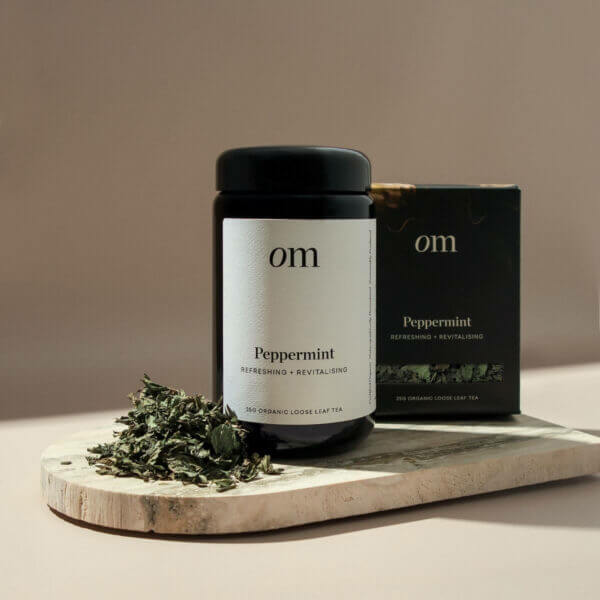
Pure Organic Loose Leaf Peppermint Tea, made from 100% premium certified organic peppermint leaves.
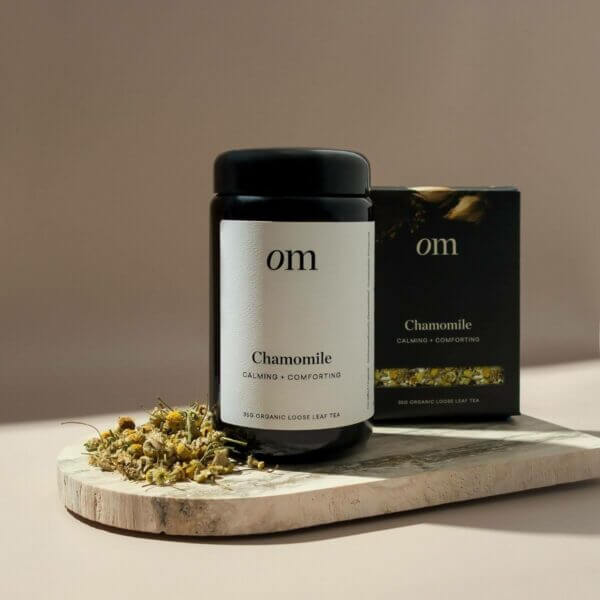
A pure certified organic chamomile tisane good for naturally soothing indigestion. Comforting and calming.
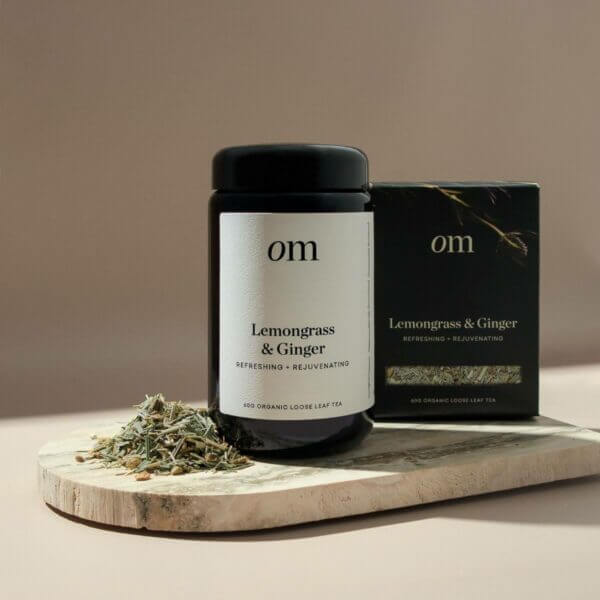
A revitalising blend boasting uplifting aromatic citrus notes with warm rejuvenating ginger spice.

A multi-award-winning rooibos tea boasting earthy and nutty flavours with rose overtones, cinnamon & vanilla.
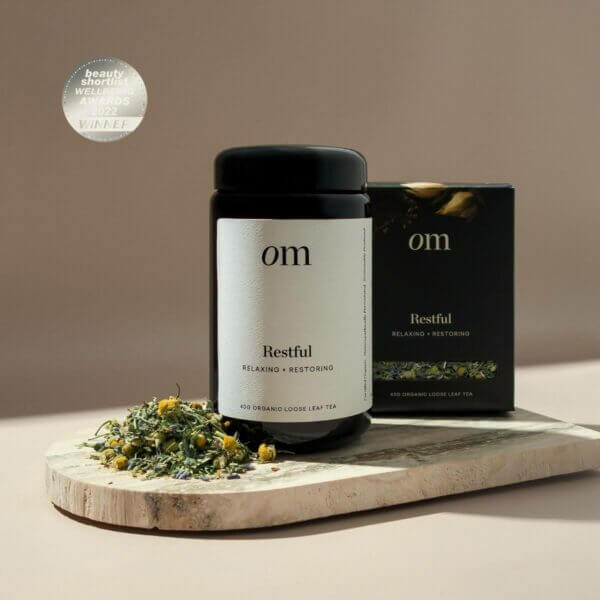
A restoring tisane imbued with calming chamomile, lemon and comforting lavender, for relaxing sleep.
Comparing the top 4 options
Each herbal tea offers unique benefits depending on your dominant symptoms: Please consult with your healthcare professional if you are not sure about the best option for you.
| Tea | Best For | Why It Works |
| Peppermint Tea | Bloating, abdominal pain, IBS-D | Its active compound menthol is antispasmodic, relaxing smooth muscles in the GI tract. |
| Ginger Tea | Nausea, constipation, cramping | Has anti-inflammatory and carminative properties, which help normalise gut motility, stimulate sluggish digestion and calm an overactive one. |
| Chamomile Tea | Stress-induced IBS, diarrhea | The herb has anti-inflammatory and antispasmodic properties. Its calming nervine effect can help reduce anxiety and stress, which have been shown to be major IBS triggers. |
| Rooibos Tea | Overall gut sensitivity and support, IBS-C | It is packed with antioxidants, naturally caffeine-free and low in tannins, which can be irritating. Rooibos is good for combating inflammation and oxidative stress in the gut, soothing digestion. |
Please be mindful when experimenting with these teas to find what works best for your symptoms. For example, you could try peppermint tea post-meal for IBS-D or ginger tea in the morning for IBS-C.

Are there teas to avoid if you have IBS?
Yes, there are certain types of tea that may aggravate IBS symptoms and should be approached cautiously, especially those with caffeine, artificial flavors or added sugars. Choosing the right option also means knowing what to avoid.
Caffeine is a culprit: Why you should skip or at least limit it
Caffeine, found in e.g. black and green teas, can stimulate the gastrointestinal tract. It can trigger diarrhea, worsen stomach pains and increase urgency, especially in IBS-D. Even so-called decaf versions often still contain traces and tannins.
A 2021 study also linked higher caffeine intake to increased IBS odds.
Hence we recommend sticking to caffeine-free herbal teas for reliable symptom management.
Why consider certified organic options?
Certified organic teas are grown without synthetic pesticides, reducing exposure to potential irritants, which is recommendable for a sensitive gut. However, objectively speaking there’s no direct scientific evidence that organic teas are superior for IBS symptom relief. So whilst not essential, it is a safer choice and choosing certified organic is a personal preference for overall health. We recommend to at least always opt for high-quality loose-leaf teas for better potency and flavour.
Can I drink tea with milk when I have IBS?
Cow’s milk contains lactose, which many people with IBS are intolerant or sensitive to. Hence even adding a splash may trigger symptoms like bloating, diarrhea or stomach pain. For IBS, we recommend to avoid milk in tea and instead enjoy the infusion straight up or use lactose-free or plant-based alternatives like almond or oat milk.
Conclusion: Which tea is best for IBS?
Certain herbal teas can be a soothing, natural way to alleviate symptoms, but individual responses vary. Keep a symptom diary to track which teas improve or worsen your condition. The ones listed below are well-known for easing bloating, abdominal pain, diarrhea and constipation. Choose organic, caffeine-free blends without milk to soothe your stomach and support digestion.
Our overall number 1 choice is Digestive Tea, which was specifically naturopathically formulated to soothe digestion, reduce bloating, cramping and calm inflammatory digestive conditions.
Best Tea for IBS with Diarrhea (IBS-D): You can give Peppermint Tea a try due to its potent antispasmodic action, effectively calming spasms, pain and urgency.
Best Tea for IBS with Constipation (IBS-C): Blends containing ginger take the lead due to its prokinetic properties which gently stimulate gut movement. Have a look at our Lemongrass & Ginger Tea.
You can also explore our digestive health category to see all options we have available or have a look at our Gut Health Tea Pack, combining 4 certified organic infusions.
Lastly, please be mindful. In general herbal infusions are safe to consume. Even though our blends are made using organic ingredients and formulated by our founder and naturopath, the information provided is not intended to diagnose in any way. We recommend consulting your Primary Healthcare Professional, if you are unsure, have any underlying health conditions or are on pharmaceutical medication, as they can advise on what’s right for you.

FAQ
1 to 3 cups spread throughout the day is generally well-tolerated. Start slow, then gradually increase and monitor how your body responds. Avoid excessive intake.
No, there is no scientific evidence suggesting that the temperature impacts IBS symptom relief. However, warm tea may feel more soothing for digestive muscles and support circulation, making it a comforting choice. Additionally iced tea might trigger spasms in sensitive individuals, just like too hot beverages may irritate the digestive lining.
Have a look at our conclusion above. Consider blends with ginger for IBS-C, and infusions with peppermint for IBS-D. Both types can benefit from chamomile for reducing stress symptoms.
Yes. Mint tea (especially peppermint) is widely used for IBS because of its antispasmodic effects. It’s especially effective for relieving bloating and cramping.
Yes. Herbal teas like chamomile, peppermint, and fennel can effectively reduce abdominal discomfort.
Lukewarm, gentle herbal teas as listed in our article above are often beneficial during a flare up for symptom relief. However, avoid spontaneously introducing anything new or potentially irritating. Stay hydrated with small sips.
Most herbal teas are safe in moderation. Overuse of peppermint or ginger may lead to reflux or mild heartburn. Always choose high-quality, certified organic options and monitor your individual reactions. Chamomile could potentially lead to allergic reactions in those sensitive to ragweed. Discontinue use if you experience worsening symptoms or any allergic reactions.
Yes, potentially herbs like peppermint may interact with antacids or certain blood pressure medications. We recommend to always consult your healthcare provider if you have concerns about combining herbal teas with IBS treatments.
No. Herbal teas can support symptom management but should not replace prescribed medication unless directed by your primary healthcare practitioner.