

Bathing with clay: how to take a clay bath at home
Key takeaways:
A clay bath means dissolving powdered clay, most often bentonite, kaolin or French green clay, into warm bathwater and soaking for 20 to 30 minutes.
Clay’s genuine property is adsorption: binding oils, dead skin cells and bacteria to its surface, which is what makes it such an effective exfoliant.
At home it is recommended to use a fine drain filter or cloth strainer to stop clay settling in your pipes, and match the clay to your skin type rather than reaching for whichever jar is strongest.
People have been climbing into clay-infused water for thousands of years, long before anyone called it pelotherapy. Ancient Egyptian, Greek and Roman healers packed wounds and skin complaints with mineral-rich earth, and the practice has never really gone out of fashion, it has simply moved from riverbank to bathtub.
What is a clay bath?
A clay bath is exactly what it sounds like: powdered therapeutic clay, most commonly bentonite, kaolin or French green clay, dissolved into warm bathwater and soaked in for twenty to thirty minutes. The clay’s fine, charged particles bind to oils, dead skin cells and surface bacteria, the same mechanism behind its exfoliating and conditioning effect, making it a popular choice for spa treatments and holistic wellness rituals.
Types of therapeutic clay and which suits your skin
Not all clay behaves the same way in water, and matching the type to your skin makes a real difference to comfort and results.
Australian white kaolin clay

Australian white kaolin, often simply called white clay, takes its name from Kao-ling Hill in China, where the mineral was first studied, though the clay used in Australian skincare is mined locally. Harvesting Australian White Kaolin Clay is a meticulous process involving the extraction of the clay from the earth. This gentle and non-invasive procedure preserves the natural environment. After extraction, the clay undergoes washing, drying, and pulverization into a fine powder, creating the cosmetic-grade powder found in facial masks and gentle body treatments.
Kaolin is the mildest of the common bathing clays, with a low absorbency that makes it a comfortable starting point for dry, sensitive or first-time skin. It is the clay behind Organic Merchant’s Aurum Calming Bath Soak and Lucent Balancing Bath Soak, paired there with oatmeal, vetiver and ylang ylang for a calmer, more grounding soak.
Australian pink clay

Australian Pink Clay, sometimes also referred to as “rose clay”, gets its warm colour from a naturally high iron oxide content in the Australian deposits it is drawn from. Harvesters collect it and leave it to sun-dry, a slower process that preserves its mineral composition better than heat-drying does. It sits between kaolin and bentonite in absorbency, gentle enough for regular use while still moisturising and softening the skin’s texture, which is why it is popular in products aimed at hydration rather than deep cleansing. Pink clay is the base of Organic Merchant’s Radiance Relaxing Bath Soak, blended with rose, frankincense and geranium.
Green French Argile (illite)

Green French Argile, also known as illite, is quarried in France and has been used for skin and digestive complaints since antiquity, in ancient Egypt, Greece and Rome among others. Its colour comes from a mix of iron oxides and decomposed plant matter, largely kelp and other algae, which also accounts for its mineral density. Harvesting Green French Argile Clay involves a natural sun-drying process, ensuring the clay retains its rich mineral composition and vibrant green hue. Iron, potassium and magnesium are all present in meaningful amounts. It is one of the stronger absorbents of the four, well suited to oily, congested or acne-prone skin. It effectively draws out impurities, enhances skin tone, and tightens pores. This is the clay behind Organic Merchant’s Vivifica Bath Soak for fortifying the immune system and relieving tired muscles.
Bentonite
Bentonite forms from volcanic ash that settled into water and weathered over millions of years, and takes its name from Fort Benton in Wyoming, where large deposits were first identified. Its structure gives it the strongest colloidal charge and the highest absorbency of the clays commonly used for bathing, which is why so many DIY clay bath recipes call for it by name. It suits normal to oily skin best, since its strong adsorption can feel drying on skin that is already dry or sensitive.
Clay | Origin | Key property | Best for |
Australian white kaolin | Fine white clay mined across Australia | Mildest and lowest in absorbency | Dry, sensitive or first-time skin |
Australian pink clay | Iron oxide-rich Australian deposits | Moisturising, moderate absorbency | Normal to dry skin wanting hydration |
Green French Argile (illite) | French quarries, rich in iron, potassium and magnesium | Strong absorbency, mattifying | Oily or congested skin |
Bentonite | Volcanic ash deposits, weathered over millennia | Highest absorbency and strongest colloidal charge | Normal to oily skin, first-time clay bathers |

A gentle, milky mineral soak using a curative blend of chamomile and calendula oil to soothe sensitive skin.
Select Options This product has multiple variants. The options may be chosen on the product page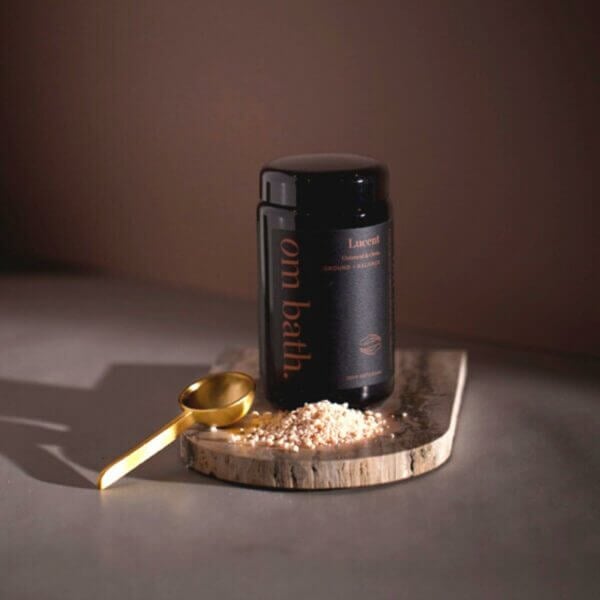
Balancing balneotherapy treatment bath soak combining calmative oatmeal with enchanting vetiver & ylang ylang.
Select Options This product has multiple variants. The options may be chosen on the product page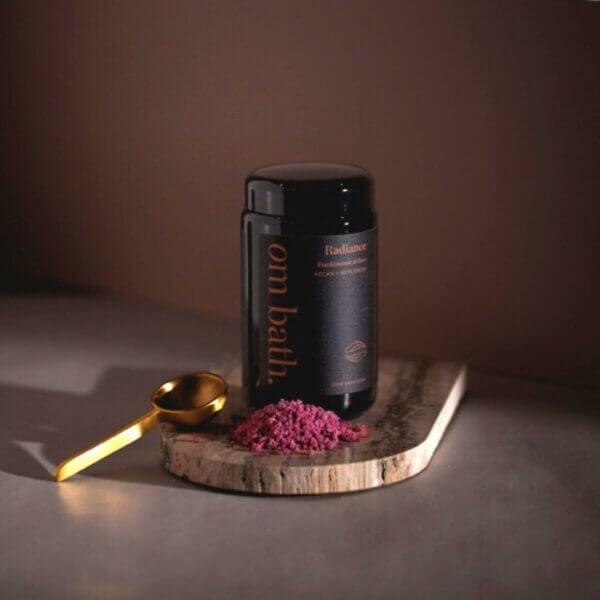
A sensual and sacred aroma-balneotherapy treatment created to balance biorhythms.
Select Options This product has multiple variants. The options may be chosen on the product page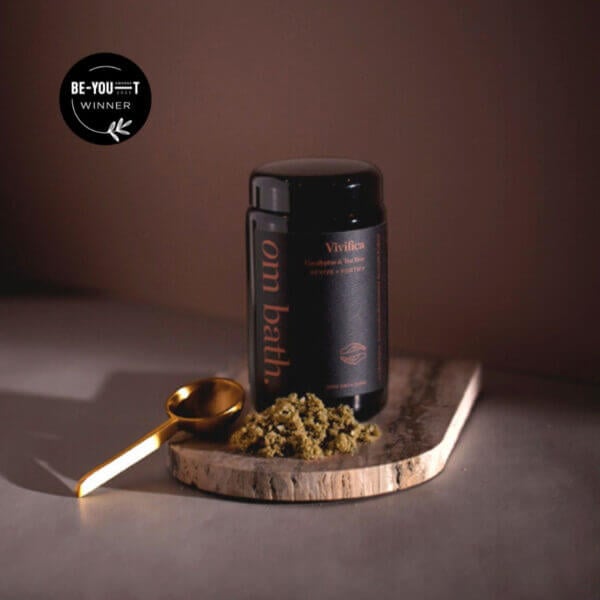
Mineral rich aroma-balneotherapy treatment to fortify the immune system and relieve tired muscles and aches.
Select Options This product has multiple variants. The options may be chosen on the product page
Wild-harvested natural sea sponges for face and body, ideal for cleansing & exfoliating to boost circulation & improve skin health.
Select Options This product has multiple variants. The options may be chosen on the product page
A luxurious handcrafted copper bathing bowl inviting the indulgence and ritual of bathing into the everyday.
Select Options This product has multiple variants. The options may be chosen on the product page
Handmade brass spoon, a stylish kitchen utensil for measuring spices, powders or tea. Available in two sizes.
Select Options This product has multiple variants. The options may be chosen on the product page
Get to know OM's award-winning mineral bath soak range with this gift set. Perfect for treating yourself.
How to take a clay bath at home
Choosing your clay
Any cosmetic or food-grade clay works for bathing, but they are not interchangeable, see the comparison below to match one to your skin. If you would rather skip sourcing and mixing raw clay yourself, Organic Merchant’s bath soaks already combine a specific clay with mineral salts in tested ratios.
How much clay to use
For a standard-sized bathtub, dissolve half a cup to one cup, roughly 60 to 160 grams, of powdered clay into a small amount of warm water first, stirring with a wooden or plastic spoon rather than metal, until it forms a smooth, lump-free paste. Metal can react with clay’s charged particles, so stick to non-metal bowls and utensils throughout. Pour the paste into the running bathwater and swirl it through with your hand.
Adding essential oils
Essential oils are a common addition to a clay bath, mostly for scent and the sense of ritual they bring, but they need a little care since oil and water do not mix. Dilute a few drops into a tablespoon of carrier oil, such as jojoba or sweet almond oil, before adding it to the bathwater, rather than dripping neat oil straight in, where it can sit undiluted on the surface and irritate skin. Lavender, chamomile and geranium are gentle, widely tolerated choices for a relaxing soak, while stronger oils such as peppermint, cinnamon or citrus can sting on contact and are best left out of the bath altogether.
Step-by-step: running your bath
Run a bath of warm, not scalding, water.
Mix your clay paste separately, as above.
Pour the paste into the bath and stir until evenly dispersed.
Get in and soak, moving gently every so often to keep the clay from settling.
Rinse off under the shower once you are out.
How long to soak
Twenty to thirty minutes is enough time for the clay to work and for you to properly unwind, without your skin sitting in mineral-heavy water so long that it starts to feel tight or dry. Keep a glass of water nearby, since a warm, mineral-rich bath can leave you feeling a little light-headed if you are dehydrated.
Preventing a clogged drain
Clay is heavy and settles fast, so it is worth protecting your plumbing before you start. A fine mesh drain strainer or a square of muslin cloth secured over the plughole catches most of the residue before it reaches the pipe. This will not be necessary if using a premixed option from the OM bath collection. Wipe down the tub once it has drained rather than letting sediment dry onto the surface.
Aftercare: rinsing and moisturising
Shower off thoroughly straight after your bath, since dried clay residue left on skin can feel chalky and tight. A natural sea sponge is a gentle way to work over any remaining clay without irritating skin that has just been through a mineral soak. Pat dry rather than rubbing, then follow with a body oil or moisturiser while skin is still slightly damp, since clay’s absorbency draws out water as well as oil.
Clay bath benefits: what the evidence actually shows
Exfoliation and skin conditioning
Clay’s fine, charged particles physically bind to oils, dead skin cells and surface debris, then rinse away with the bathwater. These sorption and cation exchange properties are what make clay minerals a common ingredient across skincare and pharmaceutical products (1). Warm water improves the effect, since it keeps pores open and perspiration active, helping the clay bind more thoroughly (1).
The “detox” claim: what’s real and what isn’t
Clay’s adsorbency is not folklore. It is the same property that makes kaolin a recognised over-the-counter ingredient for firming loose stools, binding bacteria and irritants as they pass through the digestive tract (2). That documented adsorption happens in the gut (3). What a clay bath delivers holds up perfectly well without overselling it: a genuine surface-level cleanse, softer skin, and the kind of unhurried half hour that a mineral bath has offered people for centuries.
Relaxation and the ritual of bathing
Warm-water bathing itself carries real clinical support. A 2024 systematic review of balneotherapy, bathing in mineral-rich water, found consistent improvement in symptoms for people with psoriasis and atopic dermatitis, an effect linked more to the temperature and mineral content of the water than to any single ingredient (4). Twenty minutes of warm, unhurried soaking is a legitimate wellness practice in its own right, clay or no clay, and it is a large part of why clay bathing has endured for so many centuries.
A clay bath is a simple ritual to get right and a difficult one to get wrong. Choose a clay suited to your skin, give it the better part of half an hour, and you get a genuinely different kind of bath: cleaner skin that feels smoother, a warm sense of having properly switched off, and real rest that is worth returning to on a regular basis.
Frequently asked questions about clay baths
Most people can take a clay bath without any issue. Go gently, or check with a doctor first, if you have broken skin, eczema, psoriasis or a chronic condition affecting your kidneys or heart, since clay’s absorbency can be drying and mineral-rich water may affect blood pressure and hydration. If you are pregnant or breastfeeding, ask your doctor before adding clay or strong mineral salts to a bath. A metal bathtub is also worth rinsing promptly afterward, since clay’s charged particles can occasionally cause staining.
Organic Merchant also carries a specific range of pregnancy and nursing teas.
Two to three times a week is a sensible upper limit for most skin types. Daily use risks over-drying, especially with a strongly absorbent clay like bentonite.
Yes, and it’s actually the format Organic Merchant’s own soaks use: a mineral salt base combined with clay in one product. Some at-home mixers worry the two “cancel each other out,” but there’s no evidence for that. They work through different mechanisms, salt dissolves and releases minerals while clay adsorbs and exfoliates, and function perfectly well together.
We do not recommend it. Facial masks are usually blended with additional actives and fragrances formulated for small, monitored areas of skin, and using enough of them to cover a full bath would be an expensive and imprecise way to do something a bath-specific clay does better.
A mild clay like kaolin in small quantities is generally considered gentle enough for children’s skin, but keep concentrations low, soak times short, and check with a pediatrician first if your child has any skin condition.

Bathing through History and Cultures
A Soothing Journey Through History, Culture, and Tradition Bathing, a practice that transcends time and [...]

Aromatherapy in the bath: how to use essential oils the right way
There’s a reason a bath with the right oils in it feels different to a [...]

Mineral Immersions : Bathing with Mineral Salts
In the pursuit of holistic well-being, the use of natural ingredients has gained prominence as [...]
Sources
Moraes, J.D.D., Bertolino, S.R.A., Cuffini, S.L., Ducart, D.F., Bretzke, P.E., Leonardi, G.R. (2017). Clay minerals: Properties and applications to dermocosmetic products and perspectives of natural raw materials for therapeutic purposes. A review. International Journal of Pharmaceutics, 534(1-2), 213-219.
U.S. Food and Drug Administration (2003). Antidiarrheal Drug Products for Over-the-Counter Human Use; Final Monograph. Federal Register.
National Center for Complementary and Integrative Health (2025). “Detoxes” and “Cleanses”: What You Need To Know.
Protano, C., Vitali, M., De Giorgi, A., Marotta, D., Crucianelli, S., Fontana, M. (2024). Balneotherapy using thermal mineral water baths and dermatological diseases: a systematic review. International Journal of Biometeorology.