

Mineral Immersions : Bathing with Mineral Salts
In the pursuit of holistic well-being, the use of natural ingredients has gained prominence as a means to rejuvenate both the body and the mind. Epsom Salts, Dead Sea Salt, and French Celtic Sea Salt are the three classic examples, and key ingredients in this wellness practice. They form the basis of the OM bath range. Bathing with mineral salts, revered for its therapeutic properties, has long been treasured for its ability to transform a simple bath into a luxurious spa-like experience.
They are rich in essential minerals such as magnesium, calcium, potassium and sodium, and are known to nourish the skin, soothe tired muscles, as well as promote relaxation. Whether you’re seeking relief from stress, muscle soreness, or simply craving a rejuvenating soak, indulging in a bath infused with mineral salts can invigorate both body and mind, leaving you feeling refreshed and revitalized.
Types of mineral salt and which suits you
Not every mineral bath salt does the same job, and the differences come down to where each one is sourced and what it’s naturally rich in.
Epsom salt (magnesium sulfate)

The origin of Epsom Salts, also known as magnesium sulfate, is in the town of Epsom in Surrey, England. Their discovery dates back to the early 17th century, and people have treasured their therapeutic benefits ever since, though most of what’s sold today is manufactured by crystallising magnesium sulfate rather than drawn from the original spring. Epsom Salts differ from sea-derived salts in that they originate from natural underground mineral springs. The harvesting process involves pumping mineral-rich spring water from deep underground sources and separating the magnesium sulfate crystals to create the familiar granules. This natural extraction method ensures the purity of the salts, devoid of additives or contaminants.
Renowned for promoting muscle relaxation, alleviating stress, and soothing aching joints, Epsom Salts boast a high magnesium content, making them a preferred choice for muscle recovery and relaxation.
It also has a genuine, FDA-recognised use as an oral saline laxative (1), but that’s a specific pharmaceutical-grade product taken in a measured oral dose, a completely separate use from bathing in it. Organic Merchant’s premium mineral bath soaks with Epsom Salts and Essential Oils are formulated and labelled for external bathing use only, not for drinking or oral consumption. If you’re dealing with constipation, speak to a pharmacist or doctor rather than treating any bath product as a substitute. OM’s selection is also available as a mineral bath soak gift set.
Dead Sea salt

Dead Sea salt is harvested from the Dead Sea, the saltwater lake between Israel and Jordan sitting at the lowest point on Earth’s land surface, where mineral concentration runs many times higher than ordinary seawater. Its profile, particularly magnesium chloride, potassium and bromide, has the strongest research behind it of any salt covered here, especially for skin barrier function and hydration in dry or reactive skin.
Harvesting Dead Sea Salt involves solar evaporation. Water from the Dead Sea is directed into shallow pools, where the intense sun evaporates the water leaving behind the salts and minerals. Skilled workers then carefully collect these salts, ensuring the preservation of their purity and mineral richness.
French Celtic sea salt

Celtic sea salt, also called “sel gris” or grey salt, is hand-harvested from coastal salt pans in Brittany, France, using wooden rakes in a technique that’s barely changed in centuries. Its distinct grey colour comes from the minerals it contains and the clay lining the salt pans where it’s collected. Skilled paludiers, or salt workers, hand-harvest this salt using traditional wooden rakes to gather salt crystals from the salt pans. It is then left to air dry, preserving its natural mineral content. It’s gentler and more moderate than either Epsom or Dead Sea salt, valued for its mineral complexity and coastal character.
Magnesium chloride flakes
Magnesium chloride flakes are a more concentrated, snow-like form of magnesium salt, often sold separately from Epsom salt as “magnesium flakes” or “bath flakes.” Chemically, it’s the same magnesium chloride found naturally in Dead Sea salt, just isolated and crystallised on its own, and it dissolves faster in warm water than Epsom salt does.
Salt | Origin | Key minerals | Best known for |
Epsom salt | Named after a spring in Epsom, England | Magnesium, sulfate | Muscle relief, the classic bath salt |
Dead Sea salt | Solar-evaporated from the Dead Sea, Israel and Jordan | Magnesium chloride, potassium, bromide | Skin barrier support, strongest evidence base |
Celtic sea salt | Hand-harvested salt pans, Brittany, France | Sodium chloride plus trace minerals | Gentle, mineral-complex, coastal character |
Magnesium chloride flakes | Isolated, crystallised magnesium chloride | Magnesium chloride | Fast-dissolving, concentrated magnesium |
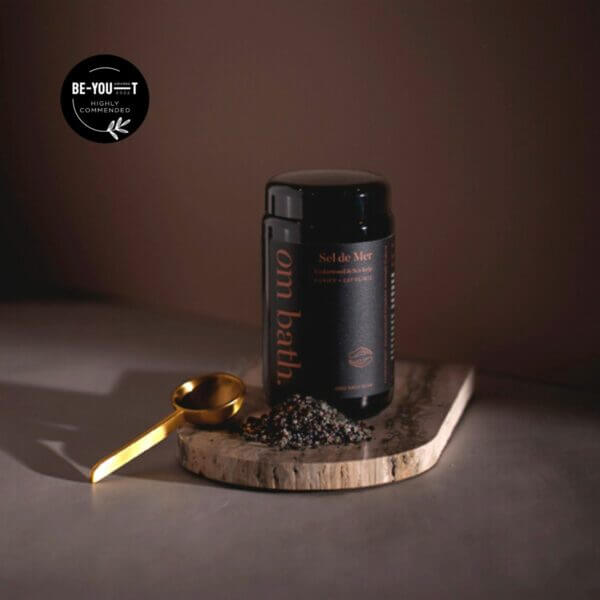
OM's Sel de Mer - Sea Salt Bath Soak is a natural, purifying thalassotherapy treatment to be added to your bath.
Select Options This product has multiple variants. The options may be chosen on the product page
A gentle, milky mineral soak using a curative blend of chamomile and calendula oil to soothe sensitive skin.
Select Options This product has multiple variants. The options may be chosen on the product page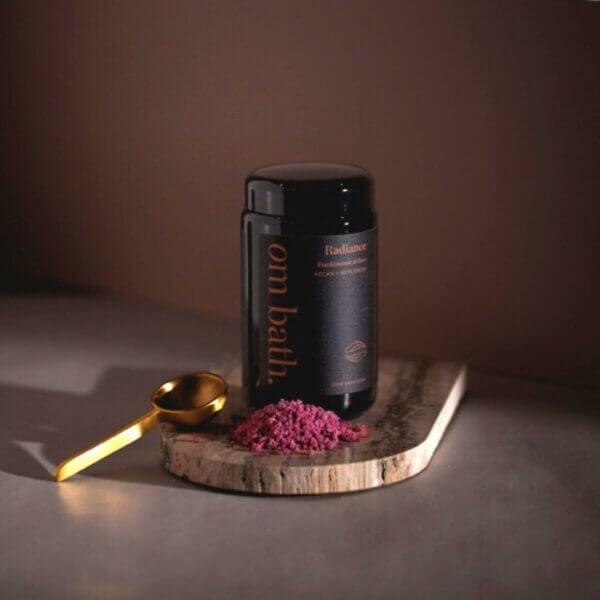
A sensual and sacred aroma-balneotherapy treatment created to balance biorhythms.
Select Options This product has multiple variants. The options may be chosen on the product page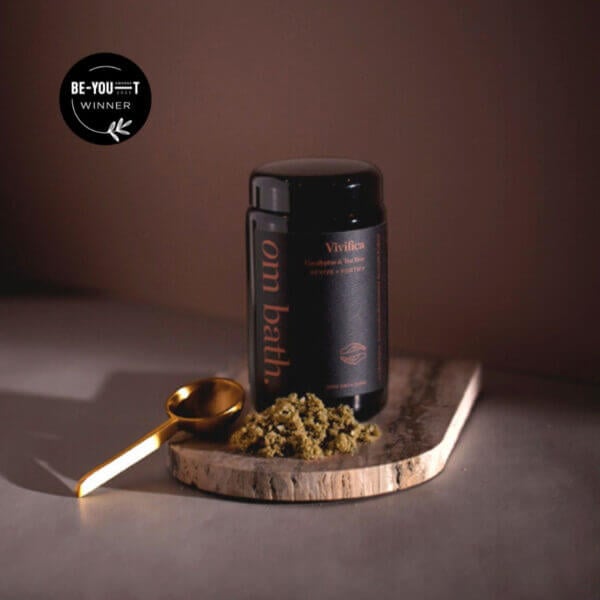
Mineral rich aroma-balneotherapy treatment to fortify the immune system and relieve tired muscles and aches.
Select Options This product has multiple variants. The options may be chosen on the product page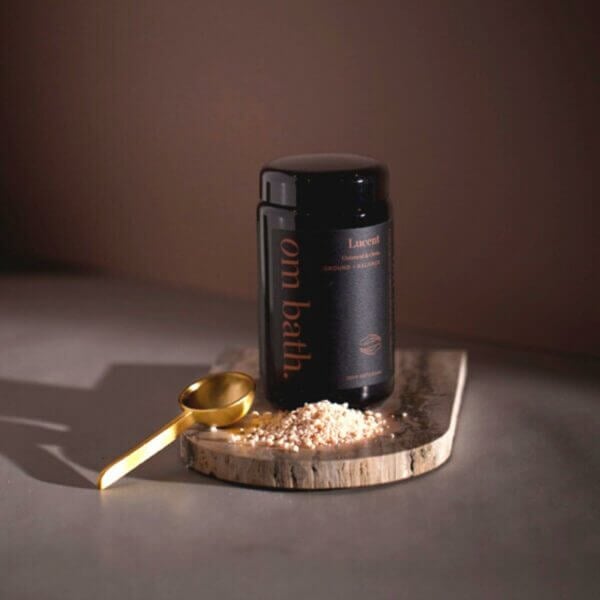
Balancing balneotherapy treatment bath soak combining calmative oatmeal with enchanting vetiver & ylang ylang.
Select Options This product has multiple variants. The options may be chosen on the product page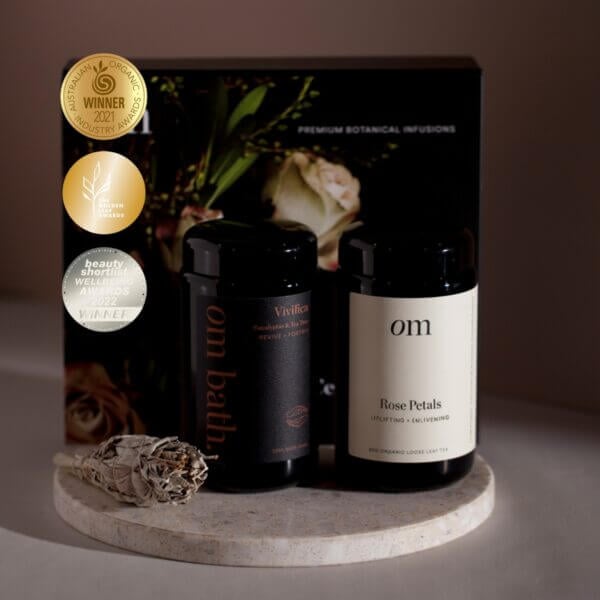
Create your own Bath Gift Box including your choice of mineral bath soak, rose petals and a mini sage smudge stick.
Select Options This product has multiple variants. The options may be chosen on the product page
Wild-harvested natural sea sponges for face and body, ideal for cleansing & exfoliating to boost circulation & improve skin health.
Select Options This product has multiple variants. The options may be chosen on the product page
A luxurious handcrafted copper bathing bowl inviting the indulgence and ritual of bathing into the everyday.
Select Options This product has multiple variants. The options may be chosen on the product pageBenefits of mineral baths
Warm water alone increases blood flow to tired muscles and eases stiffness. A controlled trial of Dead Sea balneotherapy found genuine improvement in knee osteoarthritis symptoms lasting up to three months after a course of treatment, with similar results reported for rheumatoid arthritis. (2)
A 2017 peer-reviewed review evaluated the evidence for transdermal magnesium absorption (3). Magnesium ions are small enough to cross skin under some conditions, and hair follicles offer a route in. But if magnesium repletion is genuinely your goal, oral supplementation may be a better way.
Dead Sea salt has a strong case, specifically for skin. In a controlled study, people with dry, atopic-prone skin bathed one forearm in a Dead Sea salt solution and the other in plain tap water: the Dead Sea salt side showed measurably better skin barrier function, hydration and reduced inflammation after several weeks (4).
Bathing with mineral salts doesn’t need to be complicated to be worthwhile. It will help you unwind, and help you relax body and soul. Whether you measure out raw salt yourself or reach for a soak that’s already worked out the ratios, the point of a proper soak stays the same: an uninterrupted time that is entirely yours.
How to take a mineral salt bath at home
Choosing your salt
Epsom, Dead Sea, Celtic and magnesium chloride each bring something slightly different. Whichever you buy, it’s worth checking the ingredient list: plain mineral salt needs no more than a line or two, and if your skin is sensitive, look for essential oils rather than synthetic fragrance (“parfum”) and no added dyes, both common in cheaper commercial bath salts.
How much salt to use
For a standard-sized bathtub, 1 to 2 cups (roughly 300 to 600 grams) of Epsom salt is the amount used in most product labelling and research protocols, dissolved directly into warm running water. Dead Sea and Celtic salt are typically used in smaller amounts, around half a cup to a cup, since their mineral concentration is higher and their role is more about skin conditioning than a large mineral dose. There’s no benefit to adding more than this: salt doesn’t dissolve indefinitely, and an oversaturated bath just leaves undissolved crystals sitting on the bottom of the tub.
Water temperature and soak time
Warm, not hot, is what most guidance recommends, around 39°C, comfortable enough to sit in for the full soak without your body overheating. Twenty minutes is the figure most often cited as the point where a mineral bath starts to feel worthwhile, and maximum length recommendations top out around 30 to 40 minutes, since soaking longer doesn’t add meaningful benefit and raises the odds of dry, pruney, irritated skin by the time you get out.
Adding essential oils
Essential oils pair naturally with a mineral salt bath, both for scent and to round out the ritual, but salt alone won’t disperse them evenly, since oil floats on water regardless of what else is dissolved in it. Dilute a few drops into a carrier oil or a dispersing agent, such as a mild liquid soap, before adding it to the bath, rather than dripping oil straight onto the salt. Lavender and chamomile are gentle, widely tolerated choices for winding down, while citrus and peppermint oils are more stimulating and suit a morning soak better than a bedtime one. This blending is handled for you in our range: Vivifica Reviving Bath Soak pairs its mineral base with eucalyptus, tea tree and rosemary, while Aurum Calming Bath Soak keeps things gentle with chamomile and calendula, for sensitive or irritated skin.
Protecting your tub and plumbing
Plain mineral salt dissolves fully and won’t clog a drain the way bathing with clay might, so plumbing isn’t a real concern with a salt-only bath. The bigger risk is to the tub itself: undissolved salt crystals left sitting on an acrylic or enamel surface can scratch or dull the finish over time, so make sure the salt has fully dissolved before you get in, and rinse the tub once it’s drained rather than letting any residue sit.
Aftercare
Rinse off with clean water after a longer soak, since dried salt left on skin can feel slightly tight, then moisturise while skin is still damp to lock in hydration. A natural sea sponge is a gentle way to rinse without needing to scrub, particularly useful if your skin feels a touch more sensitive than usual after a mineral-heavy bath.
Frequently asked questions about mineral salts
No. Table salt and sea salt are both sodium chloride, the salt you’d season food with. Epsom salt is chemically unrelated, it’s magnesium sulfate, and while it looks similar as white crystals, it has a distinctly bitter taste and isn’t used in cooking. Dead Sea salt and Celtic sea salt are closer relatives of table salt, still sodium chloride at their base, but carrying a much wider mix of trace minerals from where they’re harvested.
Warm bathing itself can temporarily affect blood pressure and heart rate, so if you have a cardiovascular condition, check with your doctor before making hot, mineral-heavy baths a regular habit. Kidney function matters too: healthy kidneys clear excess magnesium and other minerals without issue, but reduced kidney function makes it harder for your body to regulate mineral levels, so it’s worth a conversation with your doctor first.
Warm baths are generally fine during pregnancy, provided the water is warm rather than hot, since overheating the body is the main concern in pregnancy, not the salt itself. There’s no research specifically on Epsom, Dead Sea or Celtic salt baths during pregnancy, so treat a mineral bath like any warm bath: keep the temperature moderate, avoid long soaks that leave you overheated or light-headed, and check with your midwife or doctor first if you have a pregnancy complication such as high blood pressure or a history of preterm labour.
The most common issue is dry, tight or irritated skin, since a strong salt solution can pull moisture from skin with frequent or extended use, Epsom salt’s higher concentration especially. A very hot, salt-heavy bath can also leave you light-headed if you’re dehydrated, and salt water stings on any broken skin, including freshly shaved legs. Sticking to a measured amount rather than guessing with raw salt is the simplest way to avoid overdoing it.
A weak, well-diluted mineral salt bath is generally fine for children older than about two, but children’s skin is more absorbent and more easily irritated than adult skin, so use less salt than you would for an adult bath and keep soaks shorter. Check with a paediatrician first if your child has eczema, broken skin, or any diagnosed medical condition, and avoid mineral salts in the bath entirely for babies under 12 months.
Mineral salts don’t spoil the way food does, but they are hygroscopic, meaning they absorb moisture from the air, so an open bag left in a humid bathroom will clump over time. Keep them in a sealed container somewhere dry. If essential oils are blended in, treat the shelf life as closer to that of the oils, generally one to two years, rather than the salt itself, which lasts indefinitely.
Himalayan pink salt isn’t part of the OM bath range, but it’s worth addressing since it’s a common alternative. Chemically it’s closer to Dead Sea and Celtic salt than to Epsom salt, sodium chloride with trace minerals responsible for its pink colour, and it makes a pleasant, gentle bath. There’s no research showing it outperforms Dead Sea salt for skin benefits specifically, and mining it does raise sustainability questions given how far it typically travels from landlocked mine sites to reach an Australian bathroom, worth weighing if that matters to you.

Bathing with clay: how to take a clay bath at home
What is a clay bath and how to take one? Read about bathing with therapeutic [...]

Aromatherapy in the bath: how to use essential oils the right way
There’s a reason a bath with the right oils in it feels different to a [...]

Bathing through History and Cultures
A Soothing Journey Through History, Culture, and Tradition Bathing, a practice that transcends time and [...]
Sources
U.S. Food and Drug Administration. Over-the-Counter (OTC) Monograph M007: Laxative Drug Products for Over-the-Counter Human Use.
Balneotherapy at the Dead Sea area for knee osteoarthritis. (1999). Israel Medical Association Journal, 1(2), 83-85.
Gröber, U., Werner, T., Vormann, J., Kisters, K. (2017). Myth or Reality-Transdermal Magnesium? Nutrients, 9(8), 813.
Proksch, E., Nissen, H.P., Bremgartner, M., Urquhart, C. (2005). Bathing in a magnesium-rich Dead Sea salt solution improves skin barrier function, enhances skin hydration, and reduces inflammation in atopic dry skin. International Journal of Dermatology, 44(2), 151-157.