

PMOS Tea: Which ones are best for Polyendocrine Metabolic Ovarian Syndrome?
Key Takeaways:
PMOS (formerly known as PCOS) is a complex, lifelong condition affecting 1 in 8 women globally, involving hormonal, metabolic and ovarian dysfunction.
Herbal teas with anti-androgenic, insulin-sensitising and anti-inflammatory properties offer meaningful, evidence-backed support for PMOS symptom management.
Spearmint has the strongest clinical evidence of any PMOS tea ingredient, with a randomised controlled trial confirming measurable reductions in free testosterone within 30 days.
Green tea, cinnamon and ginger offer direct metabolic benefits, particularly for insulin resistance, which drives many of the most challenging PMOS symptoms.
Herbal teas are a complementary tool, not a substitute for medical care. Always work with your healthcare provider for an approach tailored to your individual presentation.
Table of Contents
What is PMOS and what are the symptoms?
PMOS, or polyendocrine metabolic ovarian syndrome, is a complex, lifelong hormonal and metabolic condition that affects roughly 1 in 8 women of reproductive age worldwide, more than 170 million people globally. Formerly known as PCOS (polycystic ovary syndrome), the new name was formally adopted in May 2026 following the most extensive patient and professional consultation in the history of women’s hormonal health. It reflects a far more accurate understanding of what the condition actually involves: a multisystem disruption of hormones, metabolism and ovarian function.
Why was PCOS renamed PMOS?
The name change from PCOS to PMOS was agreed upon through a landmark global consensus process published in May 2026. More than 14,000 survey responses were gathered from patients, clinicians and researchers across multiple world regions, co-ordinated by a consortium of 56 academic, clinical and patient organisations. The resulting consensus was published in The Lancet and led by Professor Helena Teede of Monash University.
The old name, polycystic ovary syndrome, was problematic in a specific and meaningful way. It implied that the defining feature of the condition was cysts on the ovaries. Many women with PMOS have no visible cysts whatsoever, while others with ovarian cysts do not have PMOS at all. The name led to widespread misdiagnosis, delayed treatment and significant stigma, particularly when women were told their ultrasound was normal and sent away without further investigation.
The new name corrects this:
Polyendocrine recognises that multiple hormone systems are disrupted simultaneously, not just reproductive hormones.
Metabolic highlights the condition’s profound impact on insulin regulation, blood sugar, cardiovascular risk and weight.
Ovarian acknowledges the ovaries’ role without reducing the condition to ovarian morphology alone.
This shift matters for natural health too, because it opens the conversation to a broader view of treatment, including the role of specific herbal teas in supporting the hormonal, metabolic and psychological dimensions of PMOS.
What are the symptoms of PMOS?
PMOS presents differently in every woman, and symptoms vary widely in severity and combination. A diagnosis is typically confirmed when a woman presents with at least two of three core criteria: irregular cycles, clinical or biochemical hyperandrogenism, or polycystic ovarian morphology on ultrasound.
Common PMOS symptoms include:
Category | Common Symptoms |
Hormonal / Skin | Excess facial or body hair (hirsutism), hormonal acne, scalp hair thinning, dark patches of skin (acanthosis nigricans), skin tags |
Reproductive | Irregular or absent menstrual cycles, anovulation, difficulty conceiving |
Metabolic | Insulin resistance, weight gain or difficulty losing weight, elevated blood sugar, increased risk of type 2 diabetes |
Cardiovascular | Raised triglycerides, abnormal cholesterol levels, elevated blood pressure risk |
Psychological | Anxiety, depression, mood swings, poor body image, disordered eating, chronic fatigue |
Other | Bloating, digestive discomfort, sleep disturbances |
If you recognise yourself in this list, the good news is that targeted lifestyle and dietary changes, including the right herbal teas, can meaningfully shift several of these markers simultaneously.
How do teas help manage PMOS symptoms?
Herbal teas support PMOS symptom management by addressing several of the condition’s underlying drivers: androgen excess, insulin resistance, chronic inflammation and elevated stress hormones. When chosen thoughtfully and used consistently, certain teas produce measurable changes in the hormonal and metabolic markers that define PMOS.
The mechanisms vary by herb. Some teas lower circulating testosterone directly. Others improve the body’s insulin response, which matters enormously because excess insulin stimulates the ovaries to produce more androgens, creating a self-reinforcing hormonal cycle. Still others work by calming the stress axis, reducing cortisol-driven hormonal disruption, or by suppressing the low-grade chronic inflammation that is a consistent feature of PMOS.
A 2021 systematic review and meta-analysis drawing on six randomised controlled trials involving 235 women with PCOS found that tea consumption was associated with significant reductions in body weight, BMI and fasting blood glucose, as well as increased FSH (follicle-stimulating hormone) concentration, a marker associated with improved ovulatory function. Green tea in particular showed benefits across a wider range of reproductive hormone indexes than other teas studied. These findings position herbal teas as a clinically plausible complementary therapy for PMOS, provided the right herbs are chosen for the right symptoms.
Which ingredients should PMOS teas have and how do they work?
The most effective PMOS teas contain herbs with at least one of the following clinically relevant properties: anti-androgenic activity, insulin-sensitising effects, anti-inflammatory compounds or cortisol regulation. Here is a detailed breakdown of the best-evidenced herbs, how they work and what to expect from each.
Spearmint: the most evidence-backed PMOS tea for androgen management
Spearmint tea is, without question, the most thoroughly studied herbal tea for PMOS and delivers the clearest hormonal benefit. Drinking two cups of spearmint tea daily has been shown in a randomised controlled trial to significantly reduce free testosterone and total testosterone in women with PMOS within 30 days.
In the landmark 2010 clinical trial published in Phytotherapy Research, 42 women with PCOS were randomised to drink spearmint tea or a placebo herbal tea twice daily over 30 days. The spearmint group showed a clear and statistically significant reduction in free and total androgens, along with a rise in LH and FSH, creating a more favourable hormonal environment for ovulation. Women in the spearmint group also reported a significant improvement in their own subjective sense of hirsutism. It is worth noting precisely what the trial did and did not show: the objectively rated Ferriman-Galwey hirsutism score did not change significantly between groups over the 30-day period, so the hormonal shift was clear and measurable well before any visible change in hair growth could reasonably be expected. The trial authors noted that visible changes to hair growth typically require several months of consistent use, as hair follicles cycle slowly.
The mechanism behind spearmint’s anti-androgenic action appears to involve the inhibition of androgen biosynthesis and the acceleration of testosterone metabolism, likely through induction of cytochrome P450 enzymes. Its active phytochemicals, including rosmarinic acid, carvone and limonene, are thought to contribute to this effect.
For women dealing with PMOS symptoms driven by androgen excess, hirsutism, hormonal acne, scalp thinning and cycle irregularity, spearmint tea is the single most evidence-backed starting point.
Green tea: metabolic support and insulin sensitivity
Green tea is one of the most widely studied botanicals in the world for metabolic conditions, and its benefits for PMOS are genuinely multifaceted. Green tea’s primary active compound is EGCG (epigallocatechin gallate), a catechin polyphenol that influences insulin signalling, reduces oxidative stress and has mild anti-androgenic activity.
A randomised double-blind clinical trial in 60 overweight and obese women with PCOS found that 12 weeks of daily green tea consumption significantly decreased fasting insulin compared with placebo. Free testosterone levels also fell significantly, suggesting a dual benefit on both the metabolic and hormonal dimensions of PMOS. The systematic review by Shen et al. (3), which pooled the results of six RCTs in 235 women, further supports tea’s role in reducing body weight and fasting blood glucose in women with PCOS, with green tea showing the broadest effect across reproductive hormone markers.
EGCG also inhibits the enzyme 5-alpha-reductase, which converts testosterone into the more potent dihydrotestosterone (DHT), a driver of scalp hair thinning and hormonal acne. This makes green tea a smart companion to spearmint for women managing androgen-related skin and hair symptoms.
Cinnamon: a potent insulin sensitiser
Cinnamon tea is one of the most directly evidence-based choices available for the metabolic dimension of PMOS. A randomised double-blind placebo-controlled clinical trial in women with PCOS found that cinnamon supplementation for 12 weeks produced a statistically significant reduction in fasting insulin levels and HOMA-IR, a validated marker of insulin resistance, compared with placebo.
A further head-to-head clinical trial comparing cinnamon, ginger and metformin in 100 women with PCOS found that cinnamon’s reduction in insulin resistance was statistically comparable to that achieved by metformin, the pharmaceutical standard-of-care for metabolic PMOS management. Weight and BMI decreased significantly across all three active treatment groups, including cinnamon. The active compound cinnamaldehyde appears to improve insulin receptor sensitivity and reduce hepatic glucose output, key mechanisms for managing the metabolic burden of PMOS.
Ginger: anti-inflammatory, digestive support and hormonal rebalancing
Ginger is a deeply warming, anti-inflammatory botanical with meaningful clinical evidence for PMOS beyond its well-known digestive benefits. The same head-to-head clinical trial comparing cinnamon, ginger and metformin found that ginger uniquely reduced FSH and LH levels in women with PCOS, hormonal effects not replicated by metformin or cinnamon in that trial. An elevated LH:FSH ratio is a common feature of PMOS that disrupts ovulation, so this is a clinically meaningful finding.
Ginger’s active constituents, gingerols and shogaols, are potent anti-inflammatory compounds that help address the chronic low-grade inflammation consistently elevated in PMOS. Inflammation amplifies insulin resistance and stimulates androgen production, so reducing it through ginger offers indirect benefits across multiple PMOS pathways. Ginger is also a well-established carminative, helping to ease the bloating, nausea and digestive discomfort that many women with PMOS experience, particularly those who also have IBS-type symptoms.
Chamomile: calming cortisol and supporting restorative sleep
Chamomile is one of the oldest medicinal herbs in human history, and its benefits for PMOS are primarily, though importantly, indirect. One underappreciated driver of PMOS symptoms is chronic psychological stress and elevated cortisol, which worsens insulin resistance, amplifies androgen production and disrupts the delicate balance of the reproductive axis. Chamomile’s primary active compound, apigenin, binds to GABA receptors in the brain to produce a mild sedative and anxiolytic effect, lowering cortisol and easing anxiety and sleep difficulties.
An animal study published in BMC Complementary Medicine and Therapies found that chamomile extract, alone and in combination with nettle, improved folliculogenesis and ovarian morphology in DHEA-induced PCOS mice, alongside improvements in markers of inflammation in the combined chamomile-and-nettle group. Direct human RCT data specific to PMOS is limited, so this should be read as encouraging early evidence rather than a settled result. Chamomile’s well-established anti-inflammatory and calming properties still make it a valuable part of a PMOS tea routine, especially for women whose symptoms are worsened by stress, anxiety and poor sleep. Research consistently shows that even a single night of inadequate sleep reduces insulin sensitivity significantly, making sleep quality directly relevant to metabolic PMOS management.
Nettle: nutrient support and anti-inflammatory action
Nettle leaf is rich in nutrients, particularly iron and magnesium, which can help replenish losses from heavy periods and support overall metabolic function. It is traditionally used to support adrenal and liver function, and shares some of chamomile’s anti-inflammatory profile, with early animal evidence suggesting a role alongside chamomile in improving markers of ovarian inflammation. It pairs naturally with spearmint and dandelion in PMOS-supportive blends.
Licorice root: a cautious but potent herbal anti-androgen
Licorice root has a long and respected history in women’s hormonal health, and the science provides meaningful support for its use in PMOS. Its key compound, glycyrrhetinic acid, inhibits specific enzymes involved in androgen biosynthesis, including those responsible for converting androstenedione to testosterone. Studies in women have shown measurable reductions in serum testosterone following daily licorice intake, and in traditional Japanese herbal medicine, licorice combined with white peony has long been used to promote ovulation and regulate menstrual cycles in women with PMOS.
However, licorice root requires caution and is not appropriate for everyone. Glycyrrhizin inhibits the enzyme 11β-HSD2, which can raise blood pressure, cause fluid retention and lower potassium levels in susceptible individuals. These effects are particularly relevant at higher intakes or with prolonged use. Research linking licorice to pregnancy complications such as preterm birth has generally looked at heavy, sustained consumption rather than occasional tea, but because no safe threshold has been clearly established, it is sensible to avoid it entirely during pregnancy. Licorice root is also contraindicated in those with hypertension, kidney disease, heart conditions or those taking blood pressure medications or spironolactone.
Peppermint: a gentler anti-androgenic companion
Peppermint is botanically related to spearmint and shares some of its anti-androgenic properties, making it a natural companion or alternative. While it has less published clinical trial data than spearmint for PMOS specifically, peppermint contains rosmarinic acid and other phytochemicals with hormonal modulating activity. It is also a well-regarded remedy for digestive bloating and gut tension, which makes it a useful daily tea for women managing IBS-like symptoms alongside their PMOS.
At a glance: key PMOS tea ingredients
Tea / Herb | Key Active Compounds | Primary PMOS Benefit | Evidence Level |
Spearmint | Rosmarinic acid, carvone, limonene | Reduces free and total testosterone; eases subjective hirsutism and acne | RCT (human), strongest evidence |
Green tea | EGCG, catechins | Improves insulin sensitivity; reduces free testosterone; supports weight | RCT + meta-analysis |
Cinnamon | Cinnamaldehyde, proanthocyanidins | Reduces fasting insulin and insulin resistance (HOMA-IR) | RCT (human) |
Ginger | Gingerols, shogaols | Reduces LH/FSH imbalance; anti-inflammatory; supports digestion | RCT (human) |
Chamomile | Apigenin, bisabolol, flavonoids | Lowers cortisol; improves sleep; anti-inflammatory | Animal study + limited human data |
Nettle | Vitamins, minerals (iron, Mg) | Nutrient support; anti-inflammatory | Animal study + limited human data |
Licorice root | Glycyrrhizin, glycyrrhetinic acid | Lowers testosterone; supports ovulation | Small human study (use with caution) |
Peppermint | Menthol, rosmarinic acid | Mild anti-androgenic; digestive support | Limited evidence |
Are there other natural remedies for PMOS?
Herbal teas are a wonderful entry point into natural PMOS management, but they work best as part of a broader toolkit. Other well-evidenced natural interventions worth exploring with your healthcare provider include:
Myo-inositol and D-chiro-inositol.
These naturally occurring compounds, found in legumes and fresh fruit, have robust clinical evidence for improving insulin sensitivity, restoring menstrual regularity and reducing androgen levels in women with PMOS. They are often taken in combination supplement form, typically in a 40:1 ratio.Omega-3 fatty acids.
Found in oily fish, flaxseed and walnuts, omega-3s help reduce chronic inflammation, lower triglycerides and improve insulin sensitivity, all directly relevant to PMOS management.Magnesium.
Deficiency is common in women with PMOS and insulin resistance. Magnesium supports healthy insulin signalling and has demonstrated anti-inflammatory effects.Zinc.
Zinc is thought to support healthy testosterone metabolism and skin health, though direct PMOS trial evidence is limited.Vitamin D.
Low vitamin D is extremely prevalent in women with PMOS and is associated with worse insulin resistance and poorer menstrual regularity. Testing your levels and supplementing where needed is a practical first step.Berberine.
This plant-derived compound, found in herbs including goldenseal and barberry, has been compared favourably to metformin in clinical trials for improving insulin resistance and reducing androgens in women with PMOS.Adaptogenic herbs.
Ashwagandha, holy basil (tulsi) and rhodiola help regulate the HPA axis and reduce cortisol, indirectly supporting hormonal balance in stress-driven PMOS presentations.
Comparing options: Organic Merchant’s recommended PMOS teas
At Organic Merchant, we believe the best teas are ones you actually want to drink every day, because consistency is what drives results. Our teas are thoughtfully blended with evidence-supported herbs at meaningful concentrations, certified organic and made from whole botanical ingredients. That means what is on the label is genuinely what is in your cup.
Our certified organic Moroccan Mint Green Tea with Spearmint and Peppermint is the natural starting point for androgen management on its own, clean and refreshing. Spearmint is backed by more clinical evidence than any other PMOS herb.
For a more rounded blend, our Cleansing Tea combines certified organic spearmint leaf with nettle, ginger root, dandelion root, red clover, calendula and lemon peel. This pairs spearmint’s anti-androgenic action with ginger’s anti-inflammatory benefits and dandelion’s traditional role in supporting the liver’s clearance of excess hormones, making it a fitting daily companion for the androgen and inflammation side of PMOS.
If your PMOS picture leans more towards insulin resistance, cortisol and cycle irregularity, our Women’s Wellness Tea brings together certified organic dandelion root, shatavari root, ashwagandha root, ginger root, cinnamon bark, schisandra berry, rose, rosehip and hibiscus. Cinnamon contributes genuine insulin-sensitising support, ashwagandha helps regulate the cortisol response that drives so much of PMOS’s metabolic burden, and shatavari and dandelion round out the blend’s traditional hormone-supportive role.
Used together, alternating between the three, you get a daily ritual that covers androgen management, metabolic support and stress regulation, the three pillars of PMOS care.
All Organic Merchant teas are grown and handled to Australian certified organic standards, free from synthetic pesticide residue and produced with care for both quality and the environment.
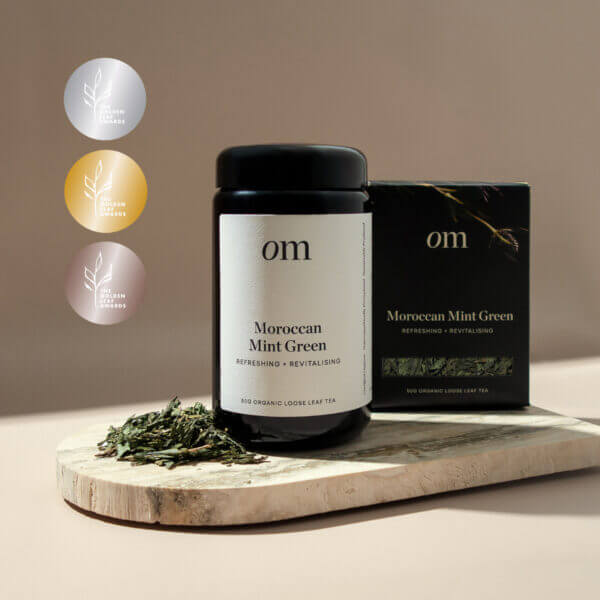
A multi-award-winning Moroccan mint tea with a green base. Refreshing, balanced and certified organic.
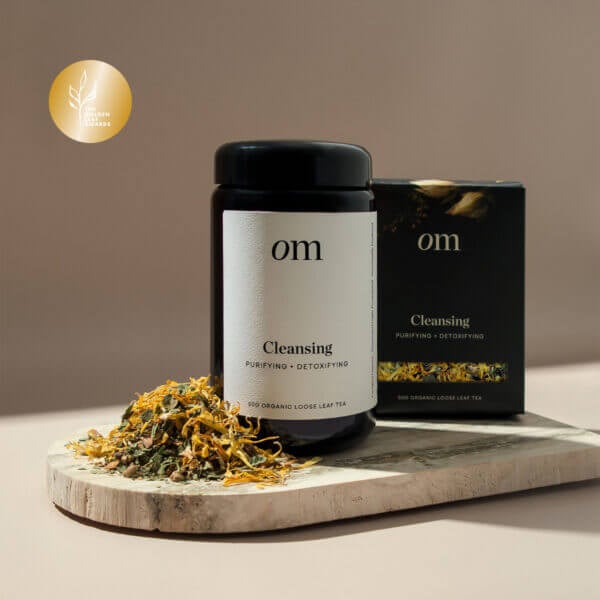
A certified organic cleanse and detox tea blend with purifying and refreshing herbal tones. Award-winning.

A vibrant red tisane of nutritive minerals with nourishing fruits and florals to harmonise hormonal health.
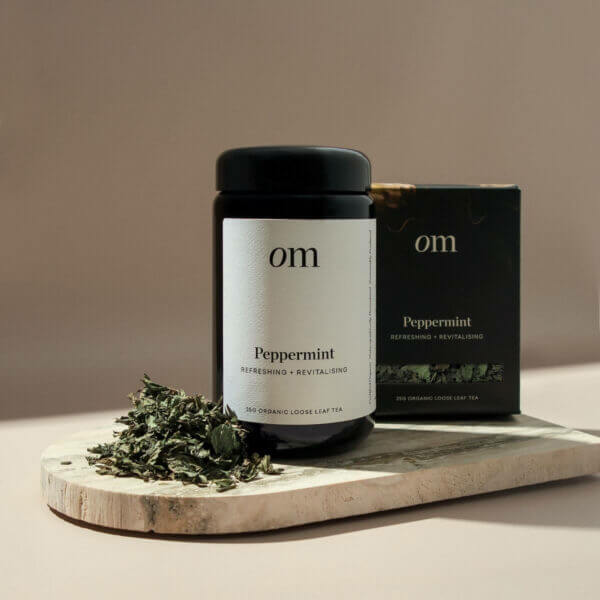
Pure Organic Loose Leaf Peppermint Tea, made from 100% premium certified organic peppermint leaves.
Additional PMOS diet and lifestyle tips
Managing PMOS well goes beyond the tea ritual, as valuable as that ritual is. Lifestyle modification is the first-line treatment recommended in international evidence-based guidelines for PMOS, and combining it with targeted herbal teas is where you get the best results.
Follow a low-glycaemic, anti-inflammatory diet. Focus on whole foods, fibre-rich vegetables, lean proteins and healthy fats. Minimise refined carbohydrates and ultra-processed foods, which spike insulin and worsen PMOS symptoms. A Mediterranean-style eating pattern is well supported by the evidence and practical to sustain.
Move your body regularly, and include vigorous activity. Vigorous aerobic exercise has been specifically shown to improve insulin resistance, body composition and cardiovascular fitness in women with PMOS. Aim for at least 150 minutes of moderate-intensity activity per week with some higher-intensity intervals included. Strength training is equally valuable for long-term metabolic health.
Prioritise sleep as a clinical priority. Aim for seven to nine hours per night, since poor sleep has a direct knock-on effect on hormonal balance. A chamomile tea before bed can become part of a meaningful wind-down routine.
Manage stress actively and consistently. Chronic stress elevates cortisol, worsens insulin resistance and drives androgen production. Evidence-backed approaches include mindfulness meditation, yoga, breathwork and cognitive behavioural therapy, all of which have demonstrated benefits for women with PMOS.
Aim for sustainable metabolic health, not a number on a scale. Even a modest 5-10% reduction in body weight can significantly improve menstrual regularity, insulin sensitivity and androgen levels in women with PMOS who are carrying excess weight. The goal is metabolic health and wellbeing, not dieting.
Limit alcohol and avoid smoking. Both exacerbate chronic inflammation, disrupt hormonal balance and worsen insulin resistance in ways that are directly counterproductive to PMOS management.
Disclaimer: The information provided in this article is for general educational purposes only and does not constitute medical advice. Always consult your healthcare professional before combining herbal teas with prescription medications, making any changes to your diet or supplement regimen during pregnancy, or have underlying health conditions.
FAQ
Regularly drinking the right herbal teas can help reduce excess androgen levels, improve insulin sensitivity, ease chronic inflammation and support healthier stress responses, all of which are central drivers of PMOS symptoms. While no tea resolves PMOS on its own, consistent daily use alongside a healthy diet and lifestyle can make a genuine and measurable difference to how you feel. Think of PMOS tea as a daily act of hormonal self-care that works with your body’s own regulatory systems.
Spearmint is the top recommendation, particularly for excess hair growth, acne and elevated testosterone. Green tea follows closely for metabolic and insulin support, with cinnamon and ginger excellent choices for insulin resistance and inflammation, and chamomile best suited to sleep, stress and anxiety. Each tea has a different mechanism of action, so combining two or three strategically gives broader symptom coverage.
Yes, ginger tea is one of the most effective teas for both inflammation and digestive symptoms in PMOS. Its active compounds, gingerols and shogaols, are potent anti-inflammatory agents that help reduce the elevated cytokines and inflammatory markers common in PMOS. Ginger also acts as a natural carminative, easing bloating, nausea and gut discomfort that many women with PMOS experience alongside their hormonal symptoms. Clinical research has additionally shown ginger to reduce the LH to FSH imbalance that characterises PMOS. One to two cups daily is a practical and well-tolerated approach.
Green tea and cinnamon are the strongest choices here. Green tea’s EGCG improves insulin receptor sensitivity and lowers fasting insulin, while cinnamon achieves reductions in insulin resistance comparable to metformin in head-to-head research. Ginger offers supporting metabolic benefits too, particularly through its effect on LH and FSH balance. Drinking these teas consistently alongside low-glycaemic meals is the most practical approach, ideally as part of a broader strategy tailored to your individual presentation.
Most herbal teas, when drunk in reasonable amounts of one to three cups per day, are safe and well tolerated. Some teas carry specific cautions worth knowing. Large quantities of spearmint tea may affect liver or kidney function in those with pre-existing conditions. Licorice root can raise blood pressure and cause fluid retention, particularly with prolonged use. Green tea contains caffeine and may cause insomnia or nausea in sensitive individuals. Chamomile may trigger reactions in those with allergies to Asteraceae family plants including ragweed and marigolds. Dandelion root acts as a mild diuretic and may increase the frequency of urination in some people. Always source high-quality, ideally certified organic teas to minimise pesticide exposure.
Some herbal teas are not suitable during pregnancy, and it is essential to check individual ingredients before continuing a PMOS tea routine when pregnant or trying to conceive. Spearmint and chamomile are generally considered safe in moderate, food-like amounts during pregnancy. Licorice root is best avoided altogether as a precaution. The clearest evidence of risk relates to heavy, sustained intake well beyond what a cup of tea would provide, but because a safe lower threshold hasn’t been firmly established, it isn’t one to take chances with while pregnant. High-dose cinnamon supplements should also be avoided in pregnancy, though the small amounts used in cooking are considered fine. Ginger in moderate amounts is widely used for pregnancy-related nausea but should be kept to reasonable quantities. Always consult your healthcare provider or midwife before consuming herbal teas during pregnancy or while breastfeeding.
Herbal teas can interact with common PMOS medications, and it is important to be aware of these possibilities before combining them. Licorice root may alter the effectiveness of spironolactone and blood pressure medications. Spearmint’s anti-androgenic properties may amplify the effects of spironolactone and potentially increase the risk of hormonal side effects. Cinnamon and green tea both influence blood sugar regulation and may enhance the glucose-lowering effect of metformin, increasing the risk of hypoglycaemia at higher doses. Diuretic herbs such as dandelion root warrant extra caution alongside spironolactone, given the shared effect on potassium levels. If you are taking any prescribed PMOS medication, always discuss the addition of medicinal herbal teas with your doctor or pharmacist before starting.
As a general guide, most studies supporting the hormonal and metabolic benefits of PMOS teas used a dosage of two cups per day over a period of four to twelve weeks. Hormonal markers such as testosterone can begin to shift within 30 days of consistent use, but visible symptom changes, such as reduced hair growth or improved cycle regularity, typically take several months. The right amount for you depends on your individual health status, any medications you are taking and the specific teas you are using. Some herbs, including licorice root, require greater caution at lower intakes. Always consult your healthcare provider to tailor dosage to your needs.
Yes, tea quality genuinely matters when you are drinking it for therapeutic rather than purely enjoyment purposes. Conventionally grown herbal teas may carry synthetic pesticide residues that dry onto the leaf during processing and can be released into your cup. Some pesticides carry endocrine-disrupting properties, directly counterproductive when the goal is hormonal balance. Certified organic teas are grown without synthetic pesticides and herbicides and must meet independently verified production standards. For PMOS-specific use, certified organic loose-leaf teas from reputable producers offer the best combination of purity, potency and consistency, giving you what the research actually studied.

Best tea to ease sore throat pain, cold and flu symptoms: What your body needs for supporting its immunity
Learn all about the best teas for sore throat, cold and flu: key ingredients, natural [...]

Best tea for IBS, diarrhea and constipation: How to calm your stomach
In this article we explore the best tea for IBS relief and explain why the [...]

UTI: A Holistic Guide – Causes, Symptoms and Natural Treatments for Urinary Tract Infections
An evidence-based guide to urinary tract infection causes, symptoms and natural, scientifically-backed strategies for bladder [...]

Sleep Tea for Bedtime: Herbal Infusions for Restful Nights
Learn about the science of the best sleep tea for bedtime. Dive into the key [...]

The benefits of Lemon Myrtle Tea and why it is so popular
In this article, we explore the origins, health benefits, flavours and versatile use of Lemon [...]

Best tea for anxiety: Herbal infusions with calming effects
In this article, we review the best teas for anxiety, delve into the science behind [...]
References
Endocrine Society (2026) Polyendocrine Metabolic Ovarian Syndrome: New name to improve diagnosis and care of condition affecting 170 million women worldwide.
Teede, H.J. et al. (2026) ‘Polyendocrine metabolic ovarian syndrome, the new name for polycystic ovary syndrome: a multistep global consensus process’, The Lancet.
Shen, W. et al. (2021) ‘Effects of Tea Consumption on Anthropometric Parameters, Metabolic Indexes and Hormone Levels of Women with Polycystic Ovarian Syndrome: A Systematic Review and Meta-Analysis of Randomized Controlled Trials’, Frontiers in Endocrinology, 12, p. 736867.
Grant, P. (2010) ‘Spearmint herbal tea has significant anti-androgen effects in polycystic ovarian syndrome. A randomized controlled trial’, Phytotherapy Research, 24(2), pp. 186-188.
Tehrani, H.G. et al. (2017) ‘Effect of green tea on metabolic and hormonal aspect of polycystic ovarian syndrome in overweight and obese women suffering from polycystic ovarian syndrome: A clinical trial’, Journal of Education and Health Promotion, 6, p. 36.
Borzoei, A. et al. (2018) ‘Insulin resistance improvement by cinnamon powder in polycystic ovary syndrome: A randomized double-blind placebo controlled clinical trial’, Gynecological Endocrinology, 34(5), pp. 443-447.
Dastgheib, M. et al. (2022) ‘A comparison of the effects of cinnamon, ginger, and metformin consumption on metabolic health, anthropometric indices, and sexual hormone levels in women with polycystic ovary syndrome: A randomized double-blinded placebo-controlled clinical trial’, Frontiers in Nutrition, 9.
Shamsi, M. et al. (2023) ‘Chamomile and Urtica dioica extracts improve immunological and histological alterations associated with polycystic ovarian syndrome in DHEA-induced mice’, BMC Complementary Medicine and Therapies.
Armanini, D. et al. (2019) ‘Licorice: From Pseudohyperaldosteronism to Therapeutic Uses’, Frontiers in Endocrinology, 10, p. 484.