
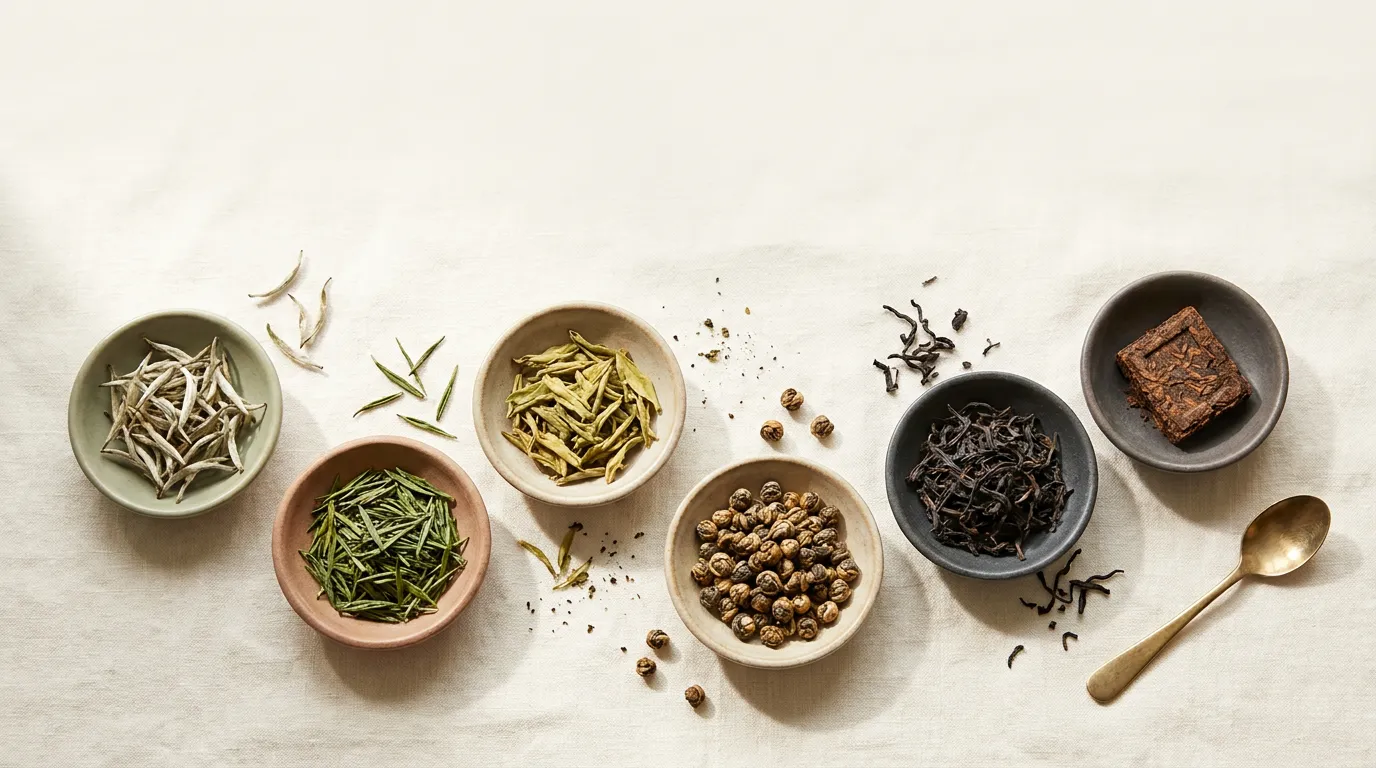
A simple guide to the different types of tea
Key Takeaways:
There are six types of true tea, and all of them come from one plant: white, green, yellow, oolong, black and dark tea including pu-erh.
What separates them is oxidation, and how quickly heat is used to stop it.
Everything else sold as tea, chamomile, peppermint, rooibos, fruit blends, is an infusion rather than a pure tea, with no caffeine and different rules.
Earl Grey, English Breakfast and chai are not types at all, they are blends built on a base tea.
Table of contents (click to jump)
- What are the different types of tea?
- Which type of tea is the right choice for me?
- Why does one plant make six different teas?
- The six types of true tea explained in detail
- What about herbal tea, rooibos and fruit infusions?
- Frequently asked questions
Earl Grey is not a type of tea. Neither is English Breakfast, and neither is chai. All three are blends. There are six actual types of tea, every one of them from the same plant, separated by nothing more than how long the leaf was left to darken before somebody applied heat to stop it.
What are the different types of tea?
There are six types of true tea, all made from the leaves of Camellia sinensis: white, green, yellow, oolong, black, and dark tea, which includes pu-erh. They differ by how much the leaf is allowed to oxidise before heat halts the process. Everything else, from chamomile to rooibos to a berry blend, is a herbal infusion rather than a tea.
| Type | Oxidation | In the cup | Tastes like |
| White | Barely any | Pale straw | Honey, hay, soft apricot |
| Green | None, halted early | Yellow-green to jade | Fresh grass, seaweed, steamed greens |
| Yellow | Light, non-enzymatic | Warm gold | Green tea with the edges rounded off |
| Oolong | Partial, 10 to 80 per cent | Amber to deep bronze | Orchid and stonefruit, or roasted and nutty |
| Black | Full | Copper to deep red | Malt, dried fruit, cocoa |
| Pu-erh and dark tea | Full, then microbial | Dark brown to near black | Damp earth, wood, aged leather |
| Herbal, rooibos and fruit | Not applicable, no caffeine | Pale gold to crimson | Depends entirely on the ingredients |
What that table deliberately does not give you is a caffeine ranking, because there isn’t a reliable one. A 2008 analysis of twenty commercial teas found caffeine ranging from 14 to 61 mg per serving across white, green and black, with no observable trend by type (1). How long you steep matters more than which type you chose: a 2025 study covering all six found brewing time alone lifted yellow tea from about 14 mg to 53 mg per 200 ml (2). So the only rule that holds is the simple one. If it came from the tea plant it has caffeine, and if it didn’t, it doesn’t.
Which type of tea is the right choice for me?
Start from what you want the cup to do rather than from the type. If you want something with body that takes milk, look at black. In case you want to drink through the afternoon, green or oolong. And if caffeine is the problem, you want an infusion rather than a tea at all.
| If you want | Try | Why |
| Something to replace your morning coffee | A malty black tea or matcha | Enough body to stand up to milk, and caffeine that arrives more slowly |
| Tea you can drink all afternoon | Green or oolong | Lighter in the cup, and they take a second and third infusion |
| Nothing caffeinated at all | Herbal, rooibos or fruit | No caffeine, and they are far more forgiving if you forget them |
| Something sweet without sugar | Rooibos or a naturally sweet blend | Liquorice root and rooibos carry their own sweetness |
| A first tea if you are new to it | Moroccan Mint Green or French Earl Grey | Forgiving to brew, and both taste of something immediately |
| Something to drink black and pay attention to | A single origin leaf | The differences between growing regions are the whole point |
If some of those names are unfamiliar, the sections below define each one and explain what makes it taste the way it does.

A black tea boasting aromatic native lemon myrtle notes with warm woody eucalypt tones, made in Sydney.
Select Options This product has multiple variants. The options may be chosen on the product page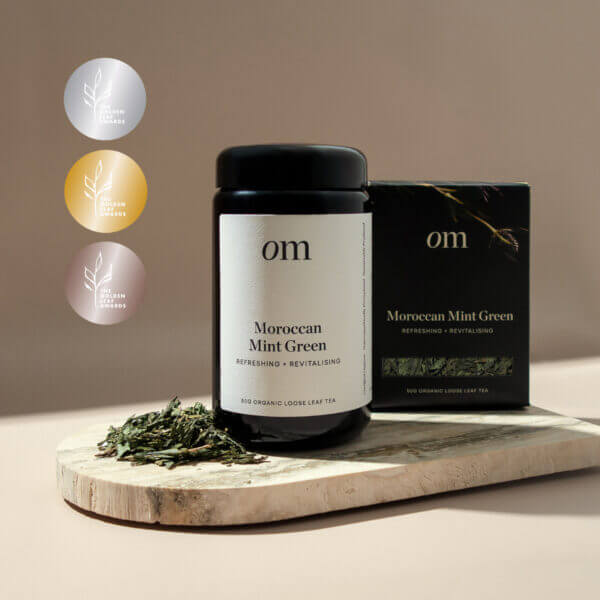
A multi-award-winning Moroccan mint tea with a green base. Refreshing, balanced and certified organic.
Select Options This product has multiple variants. The options may be chosen on the product page
An award-winning organic black tea infused with refreshing citrus tones and fragrant French florals.
Select Options This product has multiple variants. The options may be chosen on the product page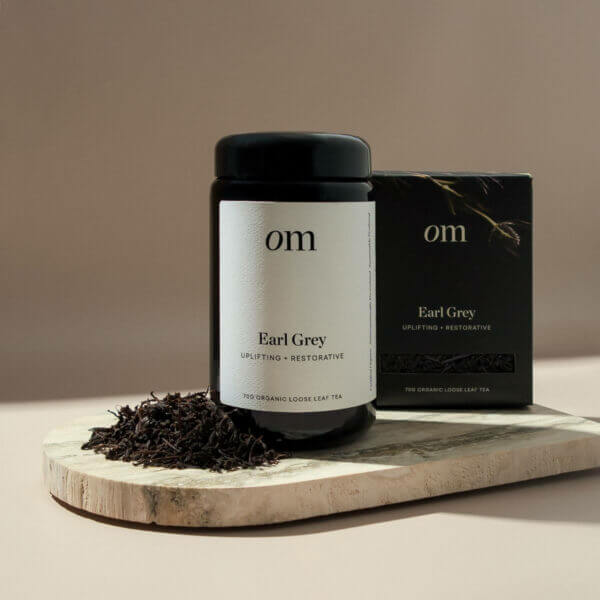
A restorative black tea blend of premium grade orange pekoe infused with refreshing citrus tones of bergamot.
Select Options This product has multiple variants. The options may be chosen on the product pageWhy does one plant make six different teas?
Oxidation, and the timing of the heat that stops it. When a tea leaf is picked and bruised, enzymes inside it start converting its catechins into larger compounds, which darkens the leaf and deepens the flavour. Every type is a decision about when to interrupt that.
The steps are the same everywhere and only the emphasis changes. The leaf is withered to soften it and drive off water, sometimes rolled or bruised to break cell walls and start the reaction, then fired or steamed to kill the enzymes and stop it dead, then dried. Green tea meets heat almost immediately. Black tea is left to oxidise fully first.
What changes chemically explains what you taste. In a lightly oxidised tea the catechins remain largely intact, which is why green tea is brisk and faintly bitter. As oxidation proceeds those catechins are enzymatically converted into theaflavins and thearubigins, the orange-red and brown pigments that give black tea its colour and depth. Thearubigins alone can account for up to 60% of the dry weight of a black tea extract (3). Nothing is added and nothing is taken away. The same leaf simply ends up somewhere different.
The six types of true tea explained in detail
Every one of these comes from a single species, Camellia sinensis. Everything else in the tea aisle is an infusion, and the difference between true tea and herbal tea decides more than terminology: whether there is caffeine in your cup, how long you steep it, and how long the leaf keeps once it is open.
White tea
The least handled of all of them. Young buds and leaves are withered and dried, with no rolling and no firing, so oxidation happens only slowly and incidentally. The result is pale in the cup and tastes of honey and dry hay, sometimes soft apricot. Silver Needle, made from buds alone, is the benchmark. It is not low in caffeine, whatever the packaging suggests.
Green tea
Heated within hours of picking to stop oxidation before it starts, either steamed in the Japanese style or pan-fired in the Chinese one. That single difference splits the category: steamed sencha tastes marine and vegetal, while pan-fired Longjing is nuttier and rounder. Matcha is the outlier, a shade-grown green stone-ground to powder so you drink the leaf rather than an infusion of it. Scented greens like Jasmine Green sit here too.
Yellow tea
The rare one, and the type most people have never tasted. It is made like a green tea, then wrapped while still warm and damp for a slow non-enzymatic stage called sealing yellow. Research on that stage found catechins and caffeine fall while amino acids rise, which is exactly what reaches the cup: sweeter, mellower and rounder than the green tea it started as (4). Production is small enough that it rarely leaves China.
Oolong tea
The broadest category by far, covering anything oxidised somewhere between roughly ten and eighty per cent. A light Tie Guan Yin is green-gold and smells of orchid and cream. A dark roasted Wuyi rock oolong is bronze, mineral and closer to a black tea. Oolongs also reward repeated brewing more than any other type, shifting character across four or five infusions rather than simply fading.
Black tea
Fully oxidised, and what most Australians mean when they say tea. Because almost all the catechins have been converted into theaflavins and thearubigins, black tea is less green and grassy and more malty, with the dried fruit and cocoa notes those larger pigments carry. It is also the only type that reliably takes milk: it has the body and the tannin structure to survive it, where a green or a white simply goes muddy. Assam is thick and malty, Darjeeling lighter and almost muscatel, Ceylon sits between them with more citrus lift. Black is the base for most blends too, including our Australian Breakfast and the roasted wattleseed in our Australian Wattleseed Tea.
Pu-erh and dark tea
The one genuinely different process. Where black tea is oxidised by the leaf’s own enzymes, dark tea is fermented by microbes, piled damp and warm so bacteria and fungi work on it over weeks or years. A 2025 analysis of pu-erh pile fermentation tracked that microbial succession directly (5). Raw sheng pu-erh ages slowly and stays brighter, while ripe shou is pushed through the process deliberately and tastes of damp earth and wood.
Each of these wants different water and different timing, which is where most disappointing cups come from, so it is worth getting the temperature and steep right for the type in front of you, and worth using whole leaf rather than the broken fragments that fill most bags. The delicate ones also fade fastest once the packet is open, so how you keep the leaf matters far more for a green or a white than for a pu-erh.
What about herbal tea, rooibos and fruit infusions?
None of these are true, pure tea. They are infusions, sometimes called tisanes, made from flowers, leaves, roots, seeds, bark or fruit that have nothing to do with Camellia sinensis. They contain no caffeine, and most will sit in hot water far longer than tea will without turning harsh, though tannin-rich ingredients like hibiscus and rosehip do sharpen if you push them.
Three groups cover most of what you will meet. Herbal infusions, made from single herbs or blends of them, such as our Restful blend. Rooibos, from a South African shrub, naturally sweet and reddish, as in our Rooibos Tea with Rose. And fruit infusions, built from dried berries, hibiscus and citrus peel, which brew crimson and tart, like our Antioxidant Tea.
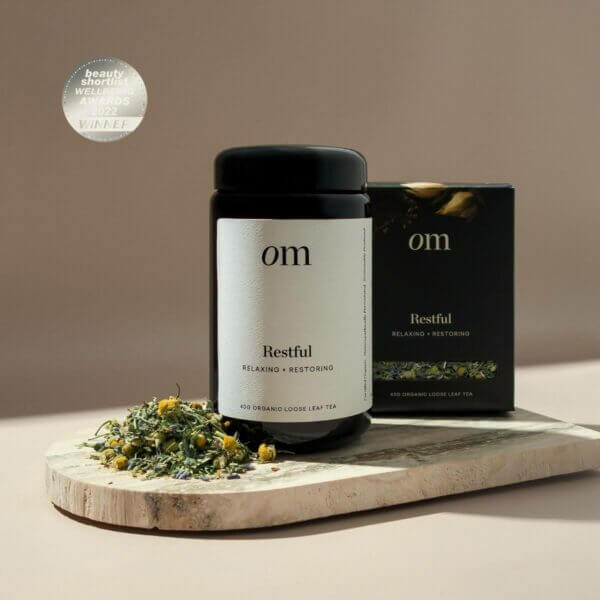
A restoring tisane imbued with calming chamomile, lemon and comforting lavender, for relaxing sleep.
Select Options This product has multiple variants. The options may be chosen on the product page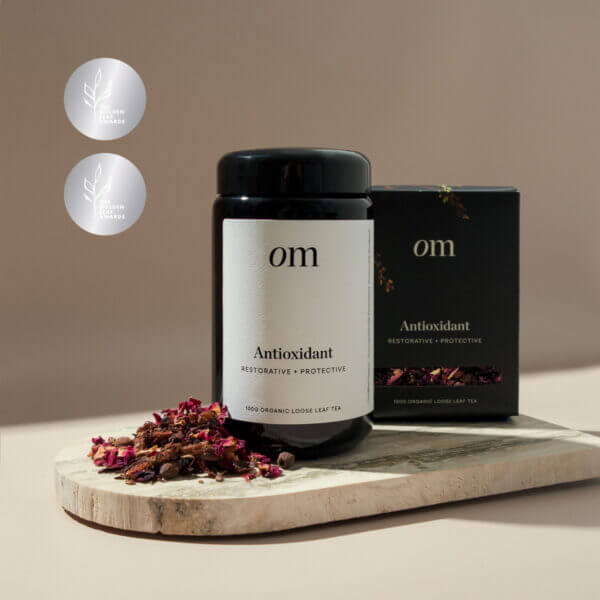
A berry and honeybush tea with hibiscus and rose overtones. Brilliant crimson colour. Award-winning.
Select Options This product has multiple variants. The options may be chosen on the product page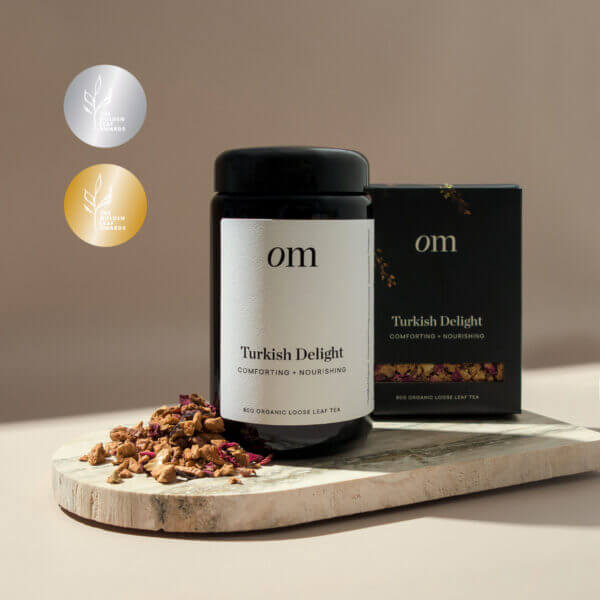
An award-winning apple tea with cinnamon and warming hibiscus-rose tones. Naturally sweet. Certified organic.
Select Options This product has multiple variants. The options may be chosen on the product page
A multi-award-winning rooibos tea boasting earthy and nutty flavours with rose overtones, cinnamon & vanilla.
Select Options This product has multiple variants. The options may be chosen on the product pageFrequently asked questions
Six, if you mean true tea: white, green, yellow, oolong, black, and dark tea including pu-erh. Some older sources say four or five, usually by leaving out yellow tea, which is genuinely rare, or by folding dark tea in with black. Beyond those six you are into herbal infusions, which are a different category altogether rather than a seventh type.
No. Earl Grey is a flavoured blend, traditionally black tea scented with bergamot, and our version adds lavender and rose. English Breakfast is a blend too, usually several black teas combined for consistency. Chai is a spiced blend, normally on a black base. Type describes how the leaf was processed, blend describes what was combined afterwards, and the two get confused constantly.
Generally speaking black teas usually have a higher caffeine content per cup. But there is actually no reliable answer by type, which surprises people. Caffeine depends far more on the age of the leaf, the cultivar, how much you use and how long you steep than on whether the tea is black, green or white.
They do differ in composition. Less oxidised teas retain more catechins, more oxidised teas carry theaflavins and thearubigins instead, and all true teas contain caffeine and L-theanine while herbal infusions contain neither. Our individual product pages show what each blend contains and explain the health benefits associated with the ingredients.
Both are green tea, but you consume them differently. Ordinary green tea is steeped and the leaves are discarded, so you drink only what dissolves. Matcha is shade-grown, stone-ground to powder and whisked into water, so you swallow the whole leaf. That makes it thicker, more intensely grassy and higher in everything the leaf contains, caffeine included.
A flavoured black tea or a mint green, because both taste of something straight away and neither punishes you for a rough brew. Once you can taste the difference between a good cup and an over-steeped one, move to a single origin black or a light oolong, where the leaf has nowhere to hide. White and pu-erh are worth leaving until later, for opposite reasons: one is subtle enough to miss entirely, the other unlike anything else you will have drunk.
How to make loose leaf tea
How do you make loose leaf tea at home? Ratios, temperatures and steeping times by [...]
Aug

True Tea Vs Herbal Tea – What is the difference
True tea comes from one plant, herbal tea from any other. We explain what that [...]
Sep

How to store loose leaf tea: The complete guide to keeping it fresh
Learn how to store loose leaf tea the right way: What containers are best, where [...]
Aug
References
- Chin JM, Merves ML, Goldberger BA, Sampson-Cone A, Cone EJ. Caffeine content of brewed teas. Journal of Analytical Toxicology, 2008. https://pubmed.ncbi.nlm.nih.gov/19007524/
- Ayakdaş G, Ağagündüz D. Determination of L-Theanine and Caffeine Contents in Tea Infusions with Different Fermentation Degrees and Brewing Conditions Using the Chromatographic Method. Foods, 2025. https://pubmed.ncbi.nlm.nih.gov/40647065/
- Abudureheman B, Yu X, Fang D, Zhang H. Enzymatic Oxidation of Tea Catechins and Its Mechanism. Molecules, 2022. https://www.ncbi.nlm.nih.gov/pmc/articles/PMC8840101/
- Fan FY, Zhou SJ, Qian H, et al. Effect of Yellowing Duration on the Chemical Profile of Yellow Tea and the Associations with Sensory Traits. Molecules, 2022. https://www.ncbi.nlm.nih.gov/pmc/articles/PMC8839223/
- Hu M, Zhang H, Han L, et al. Integrated Microbiome-Metabolome Analysis and Functional Strain Validation Reveal Key Biochemical Transformations During Pu-erh Tea Pile Fermentation. Microorganisms, 2025. https://www.ncbi.nlm.nih.gov/pmc/articles/PMC12388847/