

Best tea to ease sore throat pain, cold and flu symptoms: What your body needs for supporting its immunity
When the first signs of a scratchy throat or a stuffy nose appear, reaching for a warm, comforting mug is not just instinct, it is sound practice. Finding the best tea for sore throat pain, cold and flu symptoms is about harnessing the power of nature to support the body’s healing process. A carefully selected blend can provide hydration, soothe inflammation and deliver potent botanical compounds directly where they are needed most. Regular consumption of immune-supporting herbal teas, alongside a healthy lifestyle, may also reduce susceptibility to common winter viruses.
Table of Contents
Which ingredients should teas for sore throat pain, cold and flu have?
Which other natural home remedies can you combine drinking tea with?
Are there any risks connected to drinking tea with a sore throat or flu symptoms?
Which ingredients should teas for sore throat pain, cold and flu have?
Not all herbal teas perform equally when it comes to illness. Some target the throat directly, others support the immune system systemically and some do both. Understanding what each key botanical ingredient does — and why — makes it possible to choose with confidence rather than guesswork.
Ingredient | Primary Benefit | Key Active Compounds | Best For |
Ginger | Anti-inflammatory, antiviral, analgesic | Gingerols, shogaols | Sore throat, cold, flu, nausea |
Chamomile | Anti-inflammatory, antispasmodic, mild sedative | Apigenin, chamazulene, bisabolol | Sore throat, sleep, calm during illness |
Licorice Root | Demulcent (throat-coating), antiviral | Glycyrrhizin, glycyrrhizinic acid | Sore throat, cough |
Echinacea | Immunomodulator, antimicrobial | Alkylamides, polysaccharides | Cold prevention and treatment |
Elderberry / Elderflower | Antiviral, immunomodulatory | Anthocyanins, flavonoids | Cold and flu duration and severity |
Peppermint | Decongestant, antispasmodic | Menthol, menthone | Nasal congestion, cough |
Turmeric | Anti-inflammatory, antioxidant | Curcumin | Systemic inflammation, flu body aches |
Rosehip | Immune support, antioxidant | Vitamin C, flavonoids | Cold prevention and recovery |
Lemon / Lemon Peel | Antioxidant, antimicrobial | Vitamin C, limonene | Sore throat, cold |
How do these ingredients work?
Ginger is among the most versatile herbs in this list. Its active compounds (gingerols and shogaols) inhibit the production of pro-inflammatory prostaglandins and cytokines, reducing throat inflammation and body aches. It has also been shown to inhibit respiratory syncytial virus and rhinoviruses, among the most common causes of upper respiratory infections, making it effective at multiple stages of illness. [1][11]
Chamomile works primarily through its flavonoid content, particularly apigenin, which has demonstrated anti-inflammatory, antispasmodic and mild sedative effects. Its gentle calming action is particularly valuable when illness disrupts sleep. If illness is accompanied by an irritable bowel syndrome flare, a common consequence of viral illness, chamomile’s antispasmodic properties offer simultaneous digestive relief. [2]
Licorice root contains glycyrrhizin, a compound with well-documented antiviral and anti-inflammatory properties. What makes licorice root particularly effective for sore throats is its demulcent quality: it creates a soothing, mucilaginous coating over irritated mucous membranes, physically protecting inflamed tissue and relieving that raw, sandpaper sensation in the throat. [7]
Echinacea is among the most studied herbs for colds. A Cochrane systematic review found that echinacea preparations may reduce both the likelihood of catching a cold and its duration, though the size of the effect varies between preparations and individual studies. It functions primarily as an immunomodulator, stimulating white blood cell activity rather than acting directly against pathogens. [4]
Elderberry has a long history in traditional medicine for treating respiratory illnesses. Clinical research supports this: both a randomised controlled trial and a meta-analysis of randomised controlled trials have demonstrated that elderberry supplementation effectively reduces the duration and severity of upper respiratory symptoms, including those associated with influenza. [6]
Peppermint’s key active compound, menthol, activates cold-thermoreceptors in nasal passages, creating a sensation of improved airflow and genuine relief from congestion, even though it does not physically widen airways. Menthol also has direct antimicrobial properties and acts as an antispasmodic, calming irritated, spasmodic coughs. [5]
Turmeric — specifically its compound curcumin — has been shown in clinical research to inhibit the NF-κB inflammatory signalling pathway, reducing systemic inflammation throughout the body. This is particularly relevant to flu, where body aches and fatigue are largely driven by the immune system’s inflammatory response. Black pepper (piperine) dramatically increases curcumin’s bioavailability, which is why the most effective turmeric teas include it. [8]
Vitamin C from rosehip and lemon is often cited as a cold cure, but the evidence is more nuanced. A Cochrane review found that regular vitamin C intake does not prevent colds in most people, but does modestly reduce duration and severity once ill [9]. Adequate vitamin C during active illness remains worthwhile.
Best Teas for a Sore Throat
When the primary complaint is a sore, inflamed, or scratchy throat, the priority is teas that target the throat directly: soothing mucous membranes, reducing local inflammation and providing antimicrobial support. The teas below are selected specifically for this purpose.
One note on temperature: it matters. Warm — not piping hot — liquids are most effective for soothing throat inflammation [10]. Scalding liquid will further irritate already-inflamed tissue.
1. Chamomile Tea
Chamomile is a gentle but genuinely effective herbal tea for sore throat pain. Its anti-inflammatory compounds calm the irritated lining of the throat, while its mild antimicrobial properties provide a light defensive action [2]. Chamomile’s antispasmodic action also helps to quieten a persistent, dry cough. In the evening, its sedative quality helps ease the restlessness that comes with being unwell, and quality sleep is one of the most powerful recovery tools available.
Chamomile is also notable for its ability to ease the anxiety that can compound the misery of illness.
2. Lemongrass & Ginger Tea
For throat pain with a burning, aching quality ginger is one of the most effective herbal allies. Gingerols directly inhibit inflammatory prostaglandins [1], reducing heat and swelling in throat tissue. Fresh ginger has also demonstrated antiviral activity against respiratory viruses in cell line studies [11]. Lemongrass adds antimicrobial support alongside a pleasant citrus lift. The combination is also well suited to sore throats accompanied by nausea, as both ginger and lemongrass have antiemetic properties.
3. OM’s Digestif Tea (Chamomile & Licorice Base)
Licorice root is the standout ingredient for the raw, scratchy sensation of a sore throat. Glycyrrhizin — its primary active compound — creates a physical, mucilaginous coating over inflamed mucous membranes, providing almost immediate relief from throat soreness [7]. It also has direct antiviral and anti-inflammatory activity at the mucosal level. Combined with calming chamomile and warming spices including ginger and cinnamon, this tea provides both direct throat relief and soothing digestive comfort, helpful when illness is also upsetting the stomach.
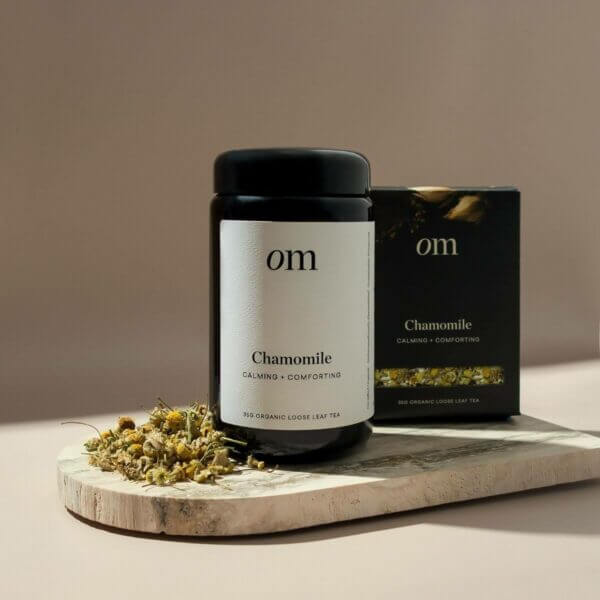
A pure certified organic chamomile tisane good for naturally soothing indigestion. Comforting and calming.
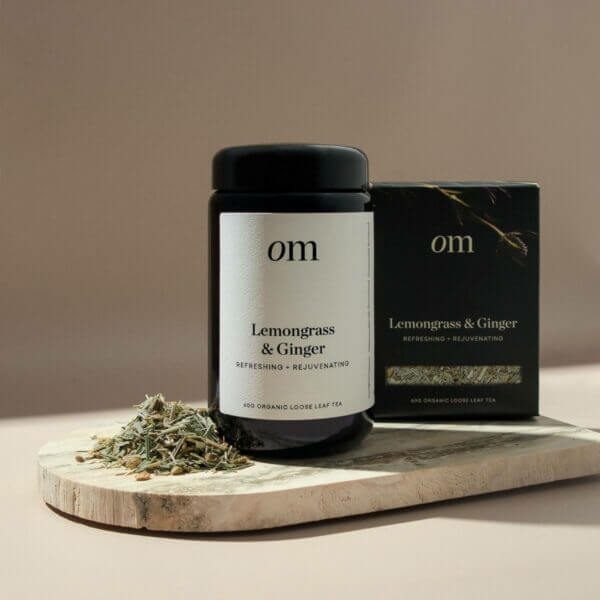
A revitalising blend boasting uplifting aromatic citrus notes with warm rejuvenating ginger spice.

A tea for digestion that offers calming chamomile with comforting spices and a sweet liquorice base. Award-winning.

4 certified organic, loose-leaf teas formulated to soothe & support the digestive system and ease discomfort.
Best Teas for Flu and Cold
Cold and flu require a different strategy from pure sore throat relief. The priority shifts to systemic support: boosting immune function, reducing body-wide inflammation, clearing congestion and helping the body fight infection more efficiently. These are the best herbal teas for cold and flu to reach for at the very first sign of symptoms.
1. OM’s Immune Tea (Echinacea, Elderberry, Peppermint, Ginger, Rosehip & Elderflower)
The immune tea is OM’s flagship cold and flu tea. It is a multi-award-winning formulation that combines the most evidence-supported botanicals for respiratory illness. Each ingredient contributes distinct and complementary action.
Echinacea: A Cochrane meta-analysis supports its role in reducing both cold incidence and duration [4]. As an immunomodulator, it primes the immune response rather than attacking pathogens directly.
Elderberry: Both a randomised controlled trial [6] and a systematic meta-analysis [11] confirm elderberry’s ability to reduce the duration and severity of upper respiratory symptoms, including flu.
Elderflower: A traditional diaphoretic herb that supports the body’s natural fever response and helps break down congestion in the lungs and sinuses.
Peppermint: A natural decongestant through menthol’s action on cold receptors [5], with additional antispasmodic benefit for cough.
Ginger: Antiviral, anti-inflammatory, and diaphoretic — effective across multiple fronts against respiratory illness [1][11].
Rosehip: Exceptionally high in vitamin C and bioflavonoids, supporting immune function and modestly reducing cold severity [9].
Lemon peel: Provides vitamin C and limonene, contributing antioxidant and antimicrobial support.
Yarrow: A traditional diaphoretic and anti-inflammatory herb that raises body temperature slightly to support the immune system’s response to infection.
2. Golden Turmeric Tea
When the flu has flattened the entire body and you suffer from aching joints, deep fatigue or systemic inflammation, this is the tea for that moment. Curcumin, turmeric’s primary active compound, inhibits the NF-κB inflammatory signalling pathway, reducing the body-wide inflammation that drives flu’s most debilitating symptoms [8]. This herbal infusion combines turmeric root with ginger, lemongrass, pineapple fruit and peppercorns. The black pepper is significant: piperine enhances curcumin absorption by up to 2,000%, making this blend substantially more bioavailable than turmeric alone.
3. Peppermint Tea
Pure peppermint tea earns its place in the cold and flu toolkit primarily through menthol, its dominant active compound. Menthol activates cold-sensitive receptors in nasal passages and airways, creating a sensation of improved airflow and real subjective relief from congestion [5]. It also has direct antimicrobial properties and acts as an antispasmodic, which is helpful for the coughing that accompanies upper respiratory infections. The clean, refreshing taste is a welcome sensory contrast when everything feels heavy and dull, and the hydration it provides is critical to recovery.

An award-winning herbal blend with a warming character, naturopathically formulated to support immunity.

A multi-award winning, soothing turmeric tea offering fresh citrus notes with tropical pineapple overtones.
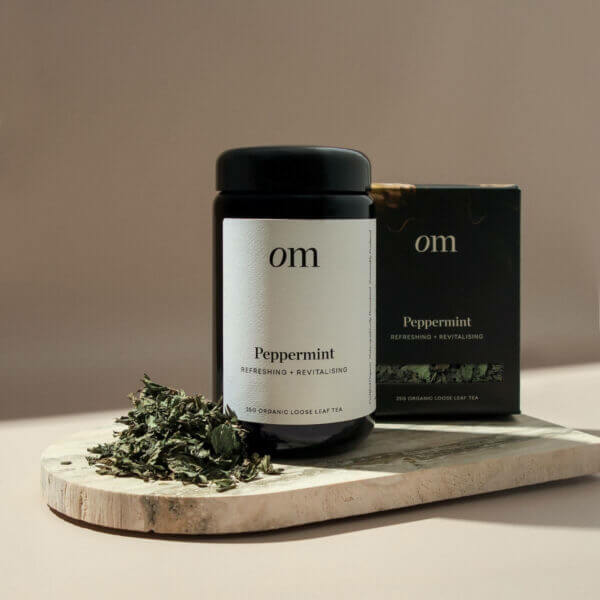
Pure Organic Loose Leaf Peppermint Tea, made from 100% premium certified organic peppermint leaves.
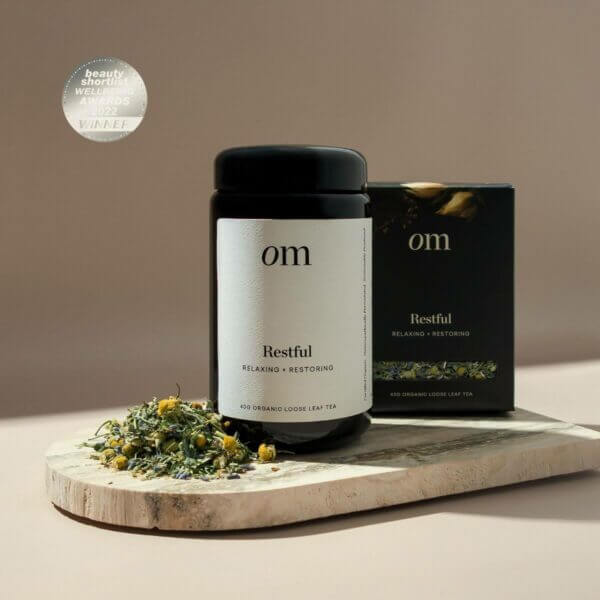
A restoring tisane imbued with calming chamomile, lemon and comforting lavender, for relaxing sleep.
Which other natural home remedies can you combine drinking tea with?
Herbal tea is most effective as part of a broader recovery strategy. The following evidence-supported approaches combine well with it:
Honey (in tea): Adding a teaspoon of raw honey to warm tea is well supported by evidence. A Cochrane systematic review found that honey outperforms placebo at reducing cough frequency and severity in children [3], and the evidence in adults points in the same direction. Honey coats the throat with a soothing, viscous layer and provides antibacterial activity through hydrogen peroxide and, in the case of Manuka honey, methylglyoxal. Add once the tea has cooled slightly as boiling temperatures degrade the beneficial compounds.
Note: Never give honey to children under 12 months due to the risk of infant botulism.
Steam inhalation: Breathing in steam — from a bowl with a towel over the head, or a hot shower — loosens mucus and relieves nasal congestion. The NHS recommends this approach for sore throat and cold symptoms [10]. Brewing a strong cup of chamomile or peppermint tea and inhaling the steam before drinking combines both benefits simultaneously.
Saline nasal rinsing: A saltwater rinse using a neti pot or saline spray physically clears mucus from nasal passages and has credible evidence for reducing cold duration and symptom severity. It pairs particularly well with a decongestant herbal tea such as peppermint.
Salt water gargling: Gargling with warm salt water (half a teaspoon dissolved in a glass of warm water for 30 seconds) reduces throat swelling and flushes out irritants or pathogens. Best done before drinking tea so the tea can coat the throat immediately after.
Rest: Adequate, genuine rest — not merely reduced activity — is one of the most powerful recovery tools. The immune system carries out much of its work during sleep. For those struggling to switch off, OM’s Restful Tea — formulated with chamomile, lemon balm, passionflower, and lavender — is designed specifically for this. For a broader guide, see OM’s article on tea for bedtime.
Hydration: Maintaining fluid intake thins mucus secretions, supports immune function, and prevents dehydration during fever. Herbal teas count toward total fluid intake which is an advantage over many other natural remedies.
Eating well: Even without appetite, small amounts of nutrient-dense food support recovery. Foods high in zinc, such as pumpkin seeds, legumes, nuts; and vitamin C, such as citrus, capsicum or kiwi, are particularly valuable. Warm ginger and lemon broths are a time-honoured approach that provides both nutrition and hydration.
Are there any risks connected to drinking tea with a sore throat or flu symptoms?
For most healthy adults, drinking herbal tea while ill carries very little risk. The following considerations are worth awareness:
Temperature: Very hot beverages can further irritate already-inflamed throat tissue. Aim for warm rather than scalding, ideally cooled to around 55-60°C before sipping.
Over-reliance on herbal tea: Herbal teas provide genuine support but are not a substitute for medical care. If a sore throat is accompanied by high fever, difficulty swallowing, a rash, white patches on the tonsils, or symptoms that worsen after 3-5 days, medical assessment is necessary. Streptococcal throat infection requires antibiotic treatment and influenza can progress to pneumonia in vulnerable individuals.
Caffeine: Black and green teas contain caffeine, which can disrupt sleep and contribute mildly to dehydration. During illness, caffeine-free herbal teas are strongly preferred. All teas recommended in this article are naturally caffeine-free.
Disclaimer: The information provided in this article is for educational purposes only and is not intended to diagnose, treat, cure, or prevent any disease or medical condition. Always consult your primary healthcare professional before use if you have underlying health conditions, are on pharmaceutical medication, are pregnant or breastfeeding, or if symptoms persist or worsen.
FAQ
All three are effective for sore throat and cough but work through distinct mechanisms, making them complementary rather than competing. Ginger is best for the aching, burning pain of an inflamed throat. Its gingerols directly inhibit the inflammatory mediators causing swelling. Chamomile excels when a sore throat is accompanied by a dry, spasmodic cough and its mild sedative quality makes it the preferred evening option. Licorice root is the standout for immediate physical relief from rawness, as glycyrrhizin creates a mucilaginous coating over inflamed mucosal tissue.
Warm herbal tea reduces throat inflammation and nasal congestion through both physical and biochemical mechanisms. The warmth directly soothes irritated mucous membranes, increases local blood flow to aid healing, and the steam moistens and opens nasal passages. Beyond this, active botanical compounds absorbed via the gastrointestinal mucosa act systemically: ginger’s gingerols reach inflamed throat tissue via the circulation; curcumin modulates cytokine signalling; echinacea’s alkylamides interact with immune cell receptors. Peppermint’s menthol acts both locally on inhalation and after absorption. Temperature also matters. Warm, not scalding, liquid is most effective.
Herbal tea does not directly reduce fever, but it plays a valuable supporting role. Staying well hydrated is essential during fever because fluid loss accelerates dehydration. Warm herbal tea counts toward total fluid intake. Diaphoretic herbs such as elderflower and yarrow are traditionally used to support the body’s natural fever response by promoting healthy perspiration. Chamomile and lemon balm contribute a mild calming and cooling effect. For high or persistent fever, medical assessment is essential. Herbal tea is a supportive measure, not a substitute for appropriate treatment.
Three to four cups spread throughout the day is a well-tolerated amount for most adults. Ingredient-specific guidance: chamomile, 2–4 cups; ginger, 2–3 cups; peppermint, 2–3 cups; turmeric, 1–2 cups; echinacea, up to 4–5 cups on the first day of symptoms reducing to 2–3 cups daily for no more than 10–14 days continuously; licorice root, 1–2 cups per day, not exceeding 4–6 weeks of daily use. Alternate herbal teas with plain warm water, and prioritise overall hydration, particularly during fever, above any specific tea-cup target.

Sleep Tea for Bedtime: Herbal Infusions for Restful Nights
Learn about the science of the best sleep tea for bedtime. Dive into the key [...]

Best tea for IBS, diarrhea and constipation: How to calm your stomach
In this article we explore the best tea for IBS relief and explain why the [...]

The benefits of Lemon Myrtle Tea and why it is so popular
In this article, we explore the origins, health benefits, flavours and versatile use of Lemon [...]

Best tea for anxiety: Herbal infusions with calming effects
In this article, we review the best teas for anxiety, delve into the science behind [...]

UTI: A Holistic Guide – Causes, Symptoms and Natural Treatments for Urinary Tract Infections
An evidence-based guide to urinary tract infection causes, symptoms and natural, scientifically-backed strategies for bladder [...]
References
Bode, A.M. and Dong, Z. (2011) ‘The Amazing and Mighty Ginger’, in Benzie, I.F.F. and Wachtel-Galor, S. (eds.) Herbal Medicine: Biomolecular and Clinical Aspects. 2nd edn. Boca Raton: CRC Press/Taylor & Francis. Available at: https://www.ncbi.nlm.nih.gov/books/NBK92775/
Srivastava, J.K., Shankar, E. and Gupta, S. (2010) ‘Chamomile: A herbal medicine of the past with bright future’, Molecular Medicine Reports, 3(6), pp. 895–901. Available at: https://doi.org/10.3892/mmr.2010.377
Oduwole, O., Udoh, E.E., Oyo-Ita, A. and Meremikwu, M.M. (2018) ‘Honey for acute cough in children’, Cochrane Database of Systematic Reviews, Issue 4. Available at: https://doi.org/10.1002/14651858.CD007094.pub5
Karsch-Völk, M., Barrett, B., Kiefer, D., Bauer, R., Ardjomand-Woelkart, K. and Linde, K. (2015) ‘Echinacea for preventing and treating the common cold’, Cochrane Database of Systematic Reviews, Issue 2. Available at: https://doi.org/10.1002/14651858.CD000530.pub3
McKay, D.L. and Blumberg, J.B. (2006) ‘A review of the bioactivity and potential health benefits of peppermint tea (Mentha piperita L.)’, Phytotherapy Research, 20(8), pp. 619–633. Available at: https://doi.org/10.1002/ptr.1936
Tiralongo, E., Wee, S.S. and Lea, R.A. (2016) ‘Elderberry Supplementation Reduces Cold Duration and Symptoms in Air-Travellers: A Randomized, Double-Blind Placebo-Controlled Clinical Trial’, Nutrients, 8(4), p. 182. Available at: https://doi.org/10.3390/nu8040182
Pastorino, G., Cornara, L., Soares, S., Rodrigues, F. and Oliveira, M.B.P.P. (2018) ‘Liquorice (Glycyrrhiza glabra): A phytochemical and pharmacological review’, Phytotherapy Research, 32(12), pp. 2323–2339. Available at: https://doi.org/10.1002/ptr.6178
Gupta, S.C., Patchva, S. and Aggarwal, B.B. (2013) ‘Therapeutic Roles of Curcumin: Lessons Learned from Clinical Trials’, AAPS Journal, 15(1), pp. 195–218. Available at: https://doi.org/10.1208/s12248-012-9432-8
Hemilä, H. and Chalker, E. (2013) ‘Vitamin C for preventing and treating the common cold’, Cochrane Database of Systematic Reviews, Issue 1. Available at: https://doi.org/10.1002/14651858.CD000980.pub4
NHS (2023) Sore throat. National Health Service. Available at: https://www.nhs.uk/conditions/sore-throat/
Chang, J.S., Wang, K.C., Yeh, C.F., Shieh, D.E. and Chiang, L.C. (2013) ‘Fresh ginger (Zingiber officinale) has anti-viral activity against human respiratory syncytial virus in human respiratory tract cell lines’, Journal of Ethnopharmacology, 145(1), pp. 146–151. Available at: https://doi.org/10.1016/j.jep.2012.10.043
Hawkins, J., Baker, C., Cherry, L. and Dunne, E. (2019) ‘Black elderberry (Sambucus nigra) supplementation effectively treats upper respiratory symptoms: A meta-analysis of randomized, controlled clinical trials’, Complementary Therapies in Medicine, 42, pp. 361–365. Available at: https://doi.org/10.1016/j.ctim.2018.12.004